4 Surprisingly Durable Dog Toys

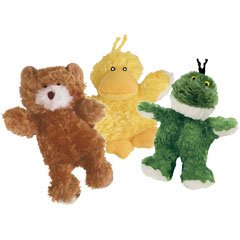
goDog Dragon With Chew Guard Technology Tough Plush Dog Toy, Coral, Small

via 4  S urprisingly Durable Dog Toys That Might Actually Survive The Grip Of Your Destructive Pup

For our dogs, experience has shown us that GoDog Chew Guard and Kong Low Stuffing work the best!  GoDog’s are next to impossible for them to tear up even after multiple washing’s and the Kong’s have replaceable squeakers.  We keep both on our Amazon Wish List for our rescue.

Kong Low Stuffing with Squaker Dog Toy Size:XSmall Type:9 animals

//ws-na.amazon-adsystem.com/widgets/q?ServiceVersion=20070822&OneJS=1&Operation=GetAdHtml&MarketPlace=US&source=ac&ref=tf_til&ad_type=product_link&tracking_id=pomeranianclu-20&marketplace=amazon&region=US&placement=B00GOLQCX8&asins=B00GOLQCX8&linkId=d364931adb7306b01ec84f86b7b51db1&show_border=false&link_opens_in_new_window=false&price_color=333333&title_color=0066C0&bg_color=FFFFFF


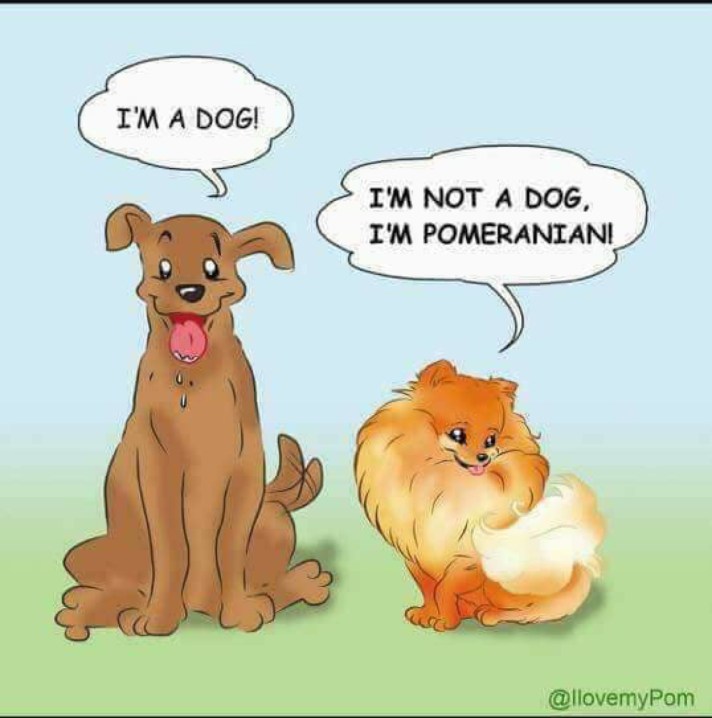
I’m not a dog

National Dog Biscuit Day

National Dog Biscuit Day - February 23

All dog owners, remember that February 23rd National Dog Biscuit Day! This day is also observed around the world as International Dog Biscuit Appreciation Day.

Man’s best friend deserves a special treat, whether it is a reward for good behavior, as part of their training or just because we want to show our dogs how much we love them.

HOW TO OBSERVE

The following are a few homemade dog biscuit recipes you may want to make and give to your furry friends.

Peanut Butter and Pumpkin Dog Treats
Peanut Butter and Banana Dog Biscuits
Homemade Dog Treats
Diabetic Dog Treats
Bacon-Flavored Dog Biscuits

via NATIONAL DOG BISCUIT DAY – February 23 | National Day Calendar

Animal Therapy and Services Explained

via Bipolar & Pets: Animal Therapy and Services Explained | bpHope

Service animals

These animals are mostly dogs and are trained to perform assistive tasks for people with physical disabilities. They are sometimes referred to as support animals or assistance animals, depending on the animal’s function. For a service dog to qualify, it must be individually trained to perform a specific major life task. “For a person to legally qualify to have a service dog, he/she must have a disability that substantially limits his/her ability to perform at least one major life task without assistance.” There are federal laws in the U.S. that protect you in allowing your service dog to accompany you anywhere you would normally go; this includes “no pet” housing and flying in the cabin of an aircraft with no fee for the dog. 

Psychiatric service dogs

Also falling under the category of “service animal,” these dogs are similar to service animals for people with physical limitations, but they are trained for people with a psychiatric disorder that is severe enough it limits their ability to complete a life task that is major in nature. Like service animals for physical limitations, there are laws that protect you in allowing your service dog to accompany you anywhere you would normally go. To legally qualify, a licensed mental health professional must state in writing that the service dog is needed by the person. 

Emotional support animals

An emotional support animal is an one that has been prescribed for a person by his/her licensed mental health professional because the person is deemed “emotionally or psychiatrically disabled” and the animal is needed for the person’s mental health. Sometimes referred to as comfort pets or companion animals, they can include: dogs, cats, birds, rabbits, mini-pigs, and many other specifies. These animals are not trained in specific tasks since it just their presence that helps the owner. 

Therapy animals

Therapy animals are usually dogs that have been obedience trained and screened for socialization and their ability to interact with other animals. Their primary function is to offer comfort to people in nursing/retirement homes, hospitals, schools, hospices and disaster areas. These animals can be classified into therapeutic visitation, animal-assisted therapy and facility therapy.

Choosing a Harness and Collar for a Pomeranian

via Best Harness and Collars for a Pomeranian

1) The anatomy of a Pomeranian’s neck makes him vulnerable to injury. It is important to understand the anatomy of the neck area. Because, after all, that is where a collar sits.

 
A dog’s trachea (also known as windpipe) is the tube through which air passes in and out, and this is surrounded by rings of cartilage. 
 
Surrounding that are muscles. Small toy breeds like the Pomeranian do not have a lot of muscle built up around the neck and shoulders. 
 
In addition, the Pomeranian breed is prone to degenerative weakness of the tracheal rings.
 
These factors can result in a particular neck injury known as collapsed trachea. 
Collapsed trachea is a condition in which the tracheal rings collapsed inward. 
2) A collar increases the risk of injury. While collapsed trachea is mainly considered to be a genetic issue, and can happen regardless of whether you use a collar or harness, the use of a collar can increase the risk of this. 
 
This is because it may be triggered by an event such as a jerk to the neck area, or long-term pressure can cause a wearing down. 
 
Whether or not there is a genetic weakness, the rings surrounding the windpipe are prone to injury.
 
3) This injury can be devastating. When one or more of the rings breaks inward, this obstructs breathing and can cause a dog to endure dog quite a bit of pain. It can cause massive coughing fits that trigger additional damage to the area. There is often a characteristic honking cough, and internal swelling. 
 
Typically heavy doses of a variety of medications including anti-histamines, anti-inflammatory meds, and antibiotics are given to help control this. Part of the treatment is to immediately stop wearing a collar, and to switch to a harness. For severe cases, surgery will be needed to stabilize the windpipe. 
 
4) Even ‘innocent’ walking on leash and collar can cause issues. You may assume that if your Pom walks nicely beside you that there won’t be any problems. However, can you guarantee that there will never be any pressure on his neck with the use of a collar? 
 
Both acute events (lunging off to the side, the leash is stepped on and causes a quick jerk to the neck, etc.) and long-term events (years of pressure, strain, and tension on the neck due to pushing ahead while on leash, or for some tiny Poms, just the weight of the leash on the neck) are both areas of concern. 

Circle of Trust T Shirt

https://www.sunfrog.com/Pomeranian-128025095-Navy-Blue-Ladies.html

Pomeranian

Basics of Alopecia X

WHAT IS ALOPECIA X?
While there are various types of alopecia, each having various causes, alopecia X differs in several ways from the other types of the hair cycle abnormalities which have been found and treated in the canine body.  Alopecia X is known by a number of other names or terms but all of them describe a “hair cycle arrest” for which the exact cause has escaped scientific identification. Alopecia X is a term given by many veterinary dermatology professionals to describe a “hair cycle abnormality” which is known to affect predominantly Nordic breeds, Pomeranians, Toy and Miniature Poodles.

SYMPTOMS OF ALOPECIA X IN DOGS
As noted above, there are a variety of types of alopecia in dogs and the symptoms are similar in that there is hair loss for various reasons in various regions of the canine body.  Here are some symptoms which may be noted if the animal is afflicted with alopecia X:
Gradual or spontaneous symmetrical hair loss generally over trunk and rear thighs
Hair loss is generally followed by a “wooly” growth of coat (dull and dry in appearance)  Sometimes skin may become hyperpigmented

CAUSES OF ALOPECIA X IN DOGS
While there are no systemic signs for this particular canine condition, there are also no specific causes found for it.  If your canine family member is not eating and drinking, or is doing so excessively (out of his ordinary pattern), appears depressed or is showing increases in liver and kidney testing values, it is likely that there is a systemic underlying cause for the hair loss and your vet will likely need to do additional testing to ascertain that underlying cause.  Here are some of those underlying systemic causes for the hair loss which will need to be eliminated to get a more firm diagnosis:
Hypothyroidism
Cushing’s Syndrome
Cyclic flank alopecia
Pattern baldness
Post-clipping alopecia
Telogen defluxion

These diseases and conditions can, since they are systemic in nature, affect your canine in ways beyond just the skin condition.  If any of them are found to be the cause of the hair loss afflicting your pet, your vet will treat accordingly.

DIAGNOSIS OF ALOPECIA X IN DOGS Diagnosis of the cause for the hair loss or alopecia in your doggy family member will be a process of elimination as there is no specific testing process known at this time to confirm an alopecia X diagnosis as there are for other diseases and conditions in the canine species.  Your veterinary professional will need a complete history from you which will likely need to include many areas of your pet’s lifestyle, like dietary regimen, elimination habits, unusual behaviors noted, the duration of those unusual behaviors, and was hair loss gradual or spontaneous.  Your vet will do a physical examination and will likely order at least a comprehensive blood chemistry panel (CBC) to see if any normal blood component values are out of line.  If he suspects an endocrine issue, there will likely be additional testing needed to clarify or eliminate diabetes, thyroid issues and Cushing’s Syndrome.  He may collect samples of scrapings from the affected areas for microscopic evaluation or even collect other fluid and excrement samples (urine and feces) for laboratory evaluation.  Once he has collected the results of the testing he has ordered, he will likely have been able to eliminate some of the endocrine-related maladies and he will have a better idea for treatment options.

TREATMENT OF ALOPECIA X IN DOGS Treatment of alopecia X in your canine family member will be dependent upon what the vet feels is the primary cause or contributing factor(s) of the initial hair loss.  The treatment options listed below may evolve into a process of trial and error in an effort to treat your pet:

Castration-responsive alopecia (if true to its name) will likely require a period of time to allow the hair to regrow following the neutering of males or spaying of females – this may take several months – additional treatment may follow if regrowth doesn’t occur
Growth hormones administration if that is suspected cause Oral melatonin (over the counter) – don’t begin this on your own unless advised by your vet Drugs which change the adrenal gland production of cortisol and sex hormones These treatments, as you can see, may not necessarily be a “cure all” for alopecia X nor they are a “one size fits” all treatment for all dogs suffering from alopecia.  These treatments may allow the hair cycle to start again but, for alopecia X sufferers, the cycle will resume for one cycle only.  This means that your pet will lose his hair again and it can happen as quickly as one month later or as long as 3 to 5 years later.

RECOVERY OF ALOPECIA X IN DOGS If your veterinary professional cannot find a specific cause or contributing factor for the alopecia in your pet, for example, endocrine disorder, bacterial or fungal infections, and immune disorders, then it is likely that this condition will continue to repeat its cycle throughout the remainder of your canine family member’s life.  It might be a good idea to get used to the idea that extra precautions are needed when your pet is outside. Make use of doggy t-shirts and sweaters. With the hair loss, the skin of your doggy family member is exposed to the elements and will need some protection when outside.  If your pet is otherwise healthy, the prognosis is good for your pet who is afflicted with alopecia X.
 

Paws for a Cause

We have been accepted to the Paws for a Cause program at Dr. Fosters

Donate to this organization through Drs. Foster and Smith
Dog Supplies Cat Supplies Pet Blog

Donate to this organization through Drs. Foster and Smith
Drs. Foster and Smith: Dog SuppliesCat SuppliesPet Blog

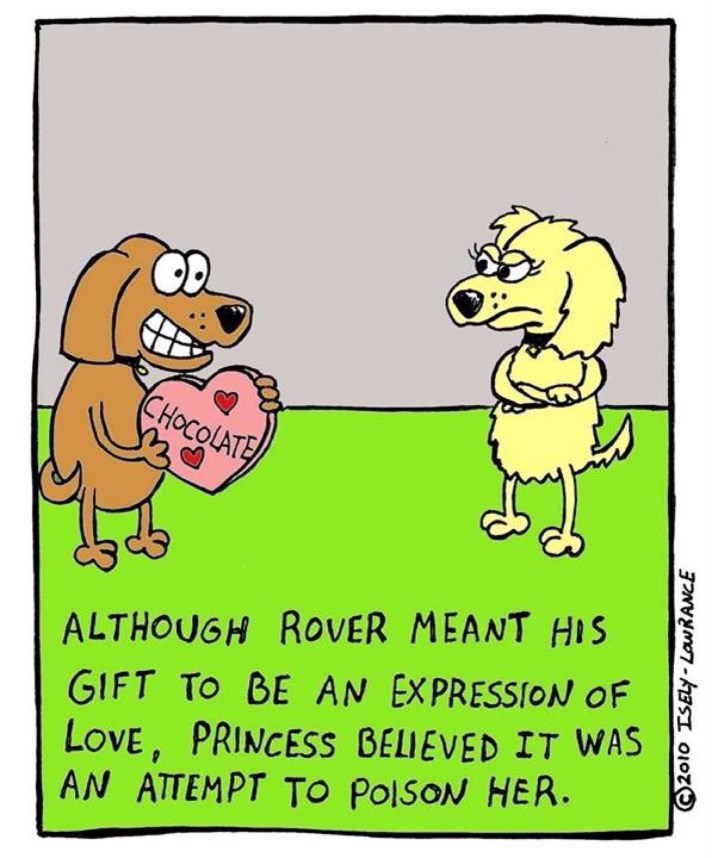
Princess Poison

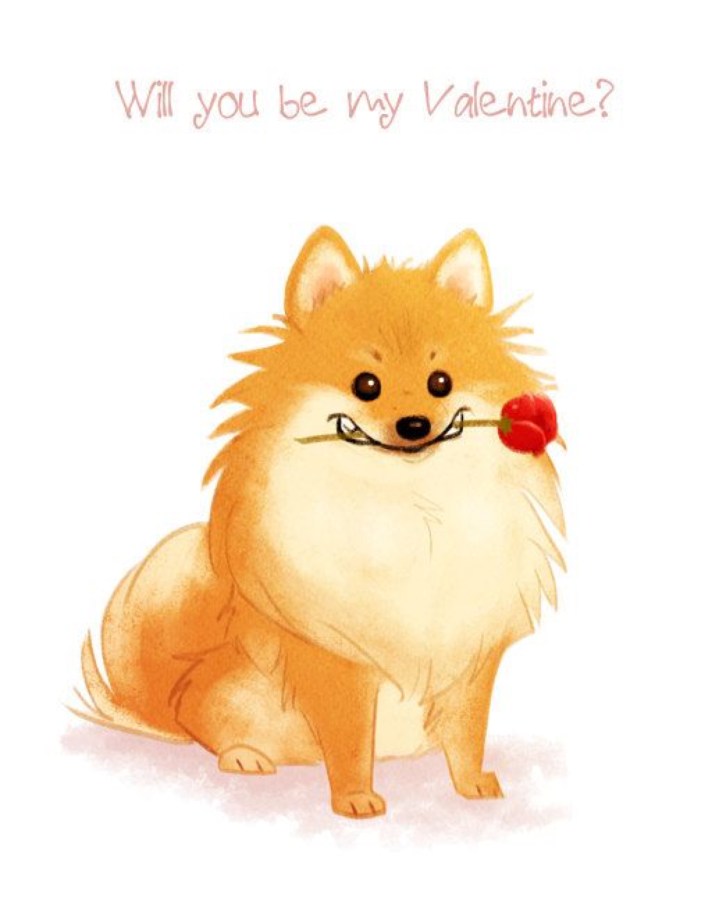
Happy Valentine’s Day

image_539894307160526

3 Things All Pomeranian Owners Should Know

via 3 Things All Pomeranian Owners Should Know – iHeartDogs.com

#1 – That Coat Needs Grooming

The Pom coat is high maintenance. Frequent brushing is required to prevent mats. Owners also need to watch for skin issues that hide under all that fur, such as hot spots or dry skin. Pomeranians are prone to flaky skin, so it’s something that needs to be monitored. They should not be shaved except for medical reasons, as the Pomeranian coat is designed to regulate body temperature.

#2 – Fragile Bodies

While many Poms act like they are Great Danes, their tiny bodies are actually quite fragile. They are prone to issues such as luxating patellas and their tracheas are easily damaged. Jumping from the couch can cause broken limbs; jumping from your arms can be fatal. Harnesses are safer when walking than a collar. Owning a Pomeranian means taking extra care that he doesn’t get hurt.

#3 – They Need Socializing

Often described as having a Napoleon complex, Pomeranians can be very territorial. If they have not had training and proper socialization, your Pom will be a nuisance barker that feels it’s his duty to protect your home from anything that comes by, including the garbage man, friends, family or the neighbor’s cat.

Written by Kristina Lotz


Giving This To Your Pom Could Help Skin Allergies

via Giving This To Your Pomeranian Daily Could Help Alleviate Painful Skin Allergies – iHeartDogs.com

Common Allergens for Pomeranians

  • Pollen
  • Grass
  • Food (such as wheat, chicken or soy)
  • Medications (penicillin, opiates, etc.)
  • Perfumes
  • Shampoos and other cleaning products
  • Latex

Allergies are a hypersensitive and damaging response of the immune system to external allergens, such as pollen and food. It’s the same for humans and dogs. However, with dogs the signs and symptoms may go unnoticed because our furry friends can’t tell us what’s wrong. So as the leader of the pack, we need to be hyperaware of what to look out for.

Common Allergy Signs & Symptoms in Pomeranians

  • Dry, itchy skin (possible scabs or sores)
  • Excessive scratching, biting or licking on skin
  • Watery eyes
  • Paw chewing
  • Nasal discharge
  • Chronic ear infections
  • Diarrhea
  • Vomiting
  • Sneezing
  • Breathing issues (very serious sign!)

Fortunately, there are ways to help boost your dog’s immune system and decrease the effects of allergies. Omega fatty acids are a major benefit in the fight against allergies and degenerative disorders that can cause inflammation and arthritis. Some research has shown that Omega’s can even prevent allergies from developing in puppies. While every dog is different, there is no argument that your pup could benefit from Omega fatty acids. But here’s the catch…dogs can’t produce Omega’s on their own, so they must get them somewhere else.

The Problem: Dogs Can’t Produce Vital Omega Fatty Acids

There are many sources of essential Omega fatty acids. Some mistakenly believe that dog food delivers all your dog needs. Unfortunately, because Omega’s are susceptible to heat, most of the benefits become biologically unavailable to your dog due to the cooking/treatment temperatures of dog food.

That’s why I personally give my dog an Omega supplement. They really seem to like the Omega-3 Select chews from Project Paws. I like them because they’re made from anchovies and krill, which have some of the highest concentrations of Omega’s of any fish. Because these are small fish with a shorter lifespan, they don’t contain the high level of toxins like other large fish like Salmon. The other reason I love them is because each purchase of Omega-3 Select chews provides meals for up to 21 shelter dogs.