Protect Your Pet During Winter and Cold Weather : The Humane Society of the United States

Protect Your Pet During Winter and Cold Weather : The Humane Society of the United States:

Keep pets indoors and warm
Don’t leave dogs or cats outdoors when the temperature drops. Most dogs, and all cats, are safer indoors, except when taken out for exercise. No matter what the temperature, wind chill can threaten a pet’s life. Regardless of the season, shorthaired, very young, or old dogs and all cats should never be left outside without supervision. Short-coated dogs may feel more comfortable wearing a sweater during walks.
Take precautions if your dog spends a lot of time outside
A dog or cat is happiest and healthiest when kept indoors. If for some reason your dog is outdoors much of the day, he or she must be protected by a dry, draft-free shelter that is large enough to allow the dog to sit and lie down comfortably, but small enough to hold in his/her body heat. The floor should be raised a few inches off the ground and covered with cedar shavings or straw. The house should be turned to face away from the wind, and the doorway should be covered with waterproof burlap or heavy plastic.
Help neighborhood outdoor cats
If there are outdoor cats, either owned or unowned ferals and strays (often referred to as “community cats”) in your area, remember that they need protection from the elements as well as food and water. It’s easy to give them a hand.

Give your pets plenty of water
Pets who spend a lot of time outdoors need more food in the winter because keeping warm depletes energy. Routinely check your pet’s water dish to make certain the water is fresh and unfrozen. Use plastic food and water bowls rather than metal; when the temperature is low, your pet’s tongue can stick and freeze to metal.
Be careful with cats, wildlife, and cars
Warm engines in parked cars attract cats and small wildlife, who may crawl up under the hood. To avoid injuring any hidden animals, bang on your car’s hood to scare them away before starting your engine.
Protect paws from salt
The salt and other chemicals used to melt snow and ice can irritate the pads of your pet’s feet. Wipe all paws with a damp towel before your pet licks them and irritates his/her mouth.
Avoid antifreeze poisoning
Antifreeze is a deadly poison, but it has a sweet taste that may attract animals and children. Wipe up spills and store antifreeze (and all household chemicals) out of reach. Coolants and antifreeze made with propylene glycol are less toxic to pets, wildlife, and family. Read more about pets and antifreeze »
The best tip of all: keep your pets with you
Probably the best prescription for winter’s woes is to keep your dog or cat inside with you and your family. The happiest dogs are those who are taken out frequently for walks and exercise, but kept inside the rest of the time.
Dogs and cats are social animals who crave human companionship. Your animal companions deserve to live indoors with you and your family.

Happy Thanksgiving!

Miyoni Pomeranian Dog 11" by Aurora

Allergies keep from owning a Pom?  Here’s the next best thing for the budget conscious:


Aurora is the leading supplier of affordable, high quality gift products. Since its establishment in 1981, the company has ascended to become a respected leader in the character & contents industry.

Use this link and a portion of the proceeds will be donated to Rescue Pomeranian’s: 
Miyoni-Pomeranian-Dog

Emergency Preparedness: 5 Tips for Dog Safety in Fire Season

Emergency Preparedness: 5 Tips for Dog Safety in Fire Season

1. Prepare essential supplies

Having your pet’s daily necessities packed and ready to go in an easily accessible place is the first step. Wildfire disasters typically last longer than a few days, so it’s recommended that you stock up on two weeks’ worth of supplies to hold you over in the event you are unable to revisit your home for an extended period of time. Some necessary pet supplies to include are:
  • Pet food and water in airtight containers. If possible, it’s best to include canned pet food, which might hold up better in extreme environments. Also, don’t forget to pack bowls for the food and water. 
  • Any necessary pet medications that your pet is currently using. A pet first aid kit is valuable in the event that your pet is injured or harmed during the evacuation process. 
  • A secure leash with a collar that includes an identification tag. The identification tag should have your pet’s name and a phone number for the best contact, should you and your pet be separated. It is also highly recommended that you have multiple numbers on the identification tag, such as a mobile number and a landline number or even two mobile numbers in the event one number doesn’t work. 
  • A portable pet carrier for each pet that is big enough to give your furry friend some extra wiggle room. If possible, include your pet’s bed and favorite toys to help reduce stress and anxiety, which often occurs when pets are displaced from their home and taken out of their natural environment. 

2. Research local boarding facilities and animal shelters

Don’t wait until the wildfire happens before you start finding local boarding facilities and animal shelters that will house your pet in the event of an emergency. It is important to note that Red Cross evacuation centers do not allow pets due to health and safety regulations. The only exception is service animals that assist people with disabilities. In advance, create a list of local pet boarding facilities, veterinary clinics, and animal shelters along with their contact number and address. If you’re staying at a local hotel or motel, call ahead to see if they are pet friendly. Another option is to have friends or relatives outside of the affected wildfire area take in your animals temporarily while you are away from your home. 

3. Keep pet records handy and get a photo of you and your pet

Many boarding facilities will require proof of up-to-date vaccinations as well as any additional medical documentation, so it’s important to have accessible copies of all your pet’s medical records with you at all times. Another useful thing to have on hand is a recent photo of you and your pet together along with a detailed description of your pet. This will help others identify them should you and your pet become separated and will also serve as proof of ownership. 

4. Consider getting your pet microchipped

Microchipping your dog or cat will significantly increase the chance for you and your pet to be reunited during an emergency. According to a study published in the American Veterinary Medical Association, microchipped dogs had a return-to-owner rate of 52 percent while cats had a return-to-owner rate of 38 percent.
Also, it is crucial for the microchip to be registered and up-to-date in the microchip database so that people are able to contact the pet’s owners once found. Many pet owners are hesitant about microchipping their pet because they feel that it will be invasive and painful, but this is a very fast process that does not require anesthesia and is comparable to a routine vaccination. Once found, a veterinarian or animal shelter worker will be able to scan the microchip and locate the animal’s owner based on the unique identification number and the information provided in the microchip database.  

5. Know the signs of smoke inhalation

Even if the wildfire is not at your door step, the decrease in air quality in the surrounding areas can negatively affect your pet’s respiratory system. Some symptoms of smoke inhalation include coughing, wheezing, rapid breathing, red eyes, or possibly even vomiting. It is best to keep your pet indoors as much as possible and to continually observe your pet for any changes in behavior, especially if they begin to act disoriented. Also, do not leave your pets unsupervised in a car because they may suffer from heatstroke from the high temperatures in the surrounding areas. 
Another important thing to remember is to keep your emergency pet preparedness kit in an easily accessible place, like by the front door, so that you can easily remember to grab it on your way out. In addition, the kit should be compact and lightweight enough for you to carry it into your vehicle when in a hurry. 

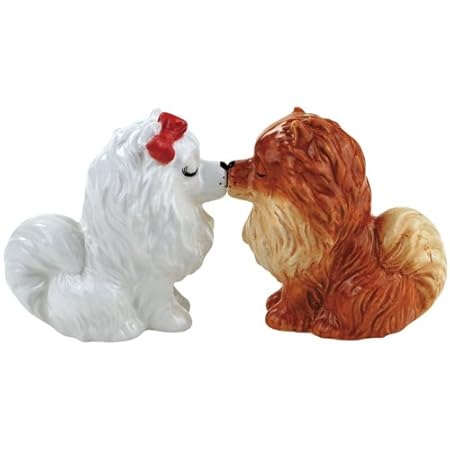
Just in time for Xmas: Kissing Pomeranian Magnetic Ceramic Salt and Pepper Set

Westland Giftware’s Pomeranian Puppies Magnetic Ceramic Salt & Pepper Shaker Set stands 2.75″ tall and each piece has a magnetic insert that holds them together. These adorable puppies are part the Mwah Collection of decorative shaker sets. Westland Giftware is a leading manufacturer in the gift and collectible industry.

Use this link and a portion of the proceeds will be donated to Rescue Pomeranians:  


Why I Refuse to Use a Retractable Dog Leash

Why I Refuse to Use a Retractable Dog Leash | Dogster

Lack of Control

Because they conveniently reel themselves back in, many people choose to get extra long retractable leashes. In theory, this is great. Your dog can explore a good distance in front of you and you don’t have to worry about tripping over the leash. But what about when that loose dog comes around the corner? Or you encounter that neighbor who’s afraid of dogs? Or that exuberant child wants to hug your not-so-child-friendly dog? With a traditional 4- or 6-foot leash, it’s easy to pull your dog close and control the situation. But if your dog is 10 feet in front of you at the end of what is essentially a thin string, it’s much more difficult.


They Pose a Danger to Dogs


This same lack of control can lead to dogs being injured or killed. Undoubtedly, one of the great things about retractable leashes is that dogs can sniff, pee and explore more freely. It’s one of the reasons I enjoyed using one with our first dog Ranger. But that same freedom can put a dog in danger by allowing them to chase a rabbit or squirrel into the street in front of an oncoming car. As dog owners, we always need to keep in mind that no matter how well they’re trained, our dogs still have their own impulses. I personally just feel more comfortable knowing that if my dog temporarily loses his or her mind in pursuit of a small furry animal, I can quickly pull them back to safety.


They Pose a Danger to Humans

According to the accompanying post, their client “called about her little dog being attacked while on a walk. We made the appointment and found that except for some bruises and painful areas, her dog would be fine. The injury to our client was worse. You see, she had her dog on a retractable leash and when the attack happened, her dog was too far away from her to ‘reel’ him in fast enough and she instinctively grabbed the cord with her hand. The rope quite effectively sawed through her finger, nearly down to the tendons.”

And this woman is not alone. Serious injuries, including amputations, have been reported in connection with retractable leashes. While any type of leash has the potential to cause harm, grabbing a traditional nylon leash with one’s hands is far less likely to cause the same type of damage seen above.

FDA to vets: Watch out for jerky pet treats; some linked to illness – CNN.com

FDA to vets: Watch out for jerky pet treats; some linked to illness – CNN.com:

‘via Blog this’

RIP Rosie

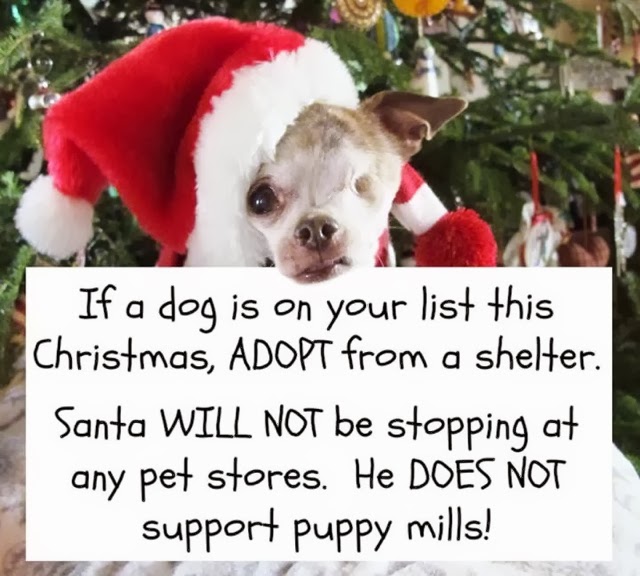
While Rosie was not a Pomeranian, her life this past year has brought to light the horrible conditions and dangers of backyard breeding.

Please look into rescue dogs before buying.  If you absolutely feel you must purchase a dog, then please look for reputable breeders.

http://www.dogster.com/the-scoop/backyard-dog-breeder-hoarding-rosie-chihuahua-has-died

http://www.dogster.com/the-scoop/rosie-chihuahua-backyard-breeder-update

Have a great weekend!

Uses of a Pomeranian

Drive thru Rabies and Microchip clinic on October 12

Canine CPR

What Should I Know About Pomeranian Dogs?

By Zoobia Ilyas, eHow Contributor

The American Kennel Club describes Pomeranian dogs as active toy dogs known for their compact stature, weighing between 4 to 6 lbs. Pomeranians have thick undercoats, covered with a shiny, straight outer coat that is often kept long. Highly alert, Pomeranians are curious dogs whose tails stand high. Pomeranians are an ideal breed whether they are kept as companion dogs or exhibited as show dogs.
Origin
According to the American Kennel Club, Pomeranian dogs came from Pomerania, a region that is now associated with both Germany and Poland. Historically, Pomeranians weighed up to 30 lbs. and were adept at herding sheep when full-sized. The breed became well known in 1870, when England’s Kennel Club identified it as the Spitz. The popularity of Pomeranians grew dramatically in 1888 when Queen Victoria adopted one while in Florence, Italy and brought it home to England as a pet.
Temperment
Pomeranians are known for their intelligence, outgoing personality and willingness to please. Proper training will encourage these characteristics, making Pomeranians excellent family pets. Because Pomeranians are small dogs, they do not need vigorous exercise. However, Pomeranians are energetic dogs, demanding the undivided attention of their masters at all times.
Health Problems
Typically, Pomeranians live long and healthy lives. However, some health issues can arise in some Pomeranians that can limit the breed’s lifespan. For example, a Pomeranian’s teeth require regular cleaning. Neglecting a Pomeranian’s teeth can cause them to fall out prematurely. Additionally, since Pomeranians are classified as a toy breed, they suffer health problems germane to smaller dogs. Luxating patellas and a collapsed trachea are two common problems in toy breeds. Pomeranians can also experience hypothyroidism. A reputable breeder will examine stock for prevalence of hereditary conditions and will only breed them when healthy and disease-free.
Training

Because of their willingness to please, Pomeranians respond well to obedience training. Incredibly devoted, Pomeranians make excellent watch dogs committed to defending their owners and families. Pomeranians are also known to possess the attitude of much larger dogs, approaching canines without fear. Because they are easily trained, Pomeranians are employed as therapy dogs and hearing assistance dogs. They also perform well in search and rescue scenarios. Due to their small size, Pomeranians can assist law enforcement and search parties by reaching areas that are too small to accommodate people.

Pomeranian’s for Dummies


Use this link and a portion of the proceeds will be donated to Rescue Pomeranians:  

Pomeranians for Dummies on Amazon

It’s easy to see why you fell in love with the idea of adopting a Pomeranian. Distinguished by its vivacity, intelligence, extroversion, and fierce loyalty to its family, this tiny canine can make an excellent companion…for the right person. As with any breed, or dogs in general for that matter, it’s important for you to know what to expect when you take a Pom into your life.

Whether you’re a new or an aspiring Pom owner, Pomeranians For Dummies fills you in on everything you need to know to find, choose, raise, care for, and have a ball with a member of that outstanding breed of dog. From finding your canine soul mate to breeding Pomeranians for show or companionship, award-winning dog author and renowned dog psychologist, Dr. Caroline Coile covers all the bases, including how to:
  • Decide whether the Pom is right for you
  • Find a good Pom breeder
  • Select the perfect Pom for you
  • Make sense of your Pom’s behavior
  • Train your Pom
  • Keep your Pom happy, healthy and well-groomed
  • Know what common health problems to look for
  • Take your Pom on the road
Illustrated with dozens of heart-melting photos of Poms in-action, Pomeranians For Dummieshelps you to guarantee that you and your little buddy have a long, happy life together.