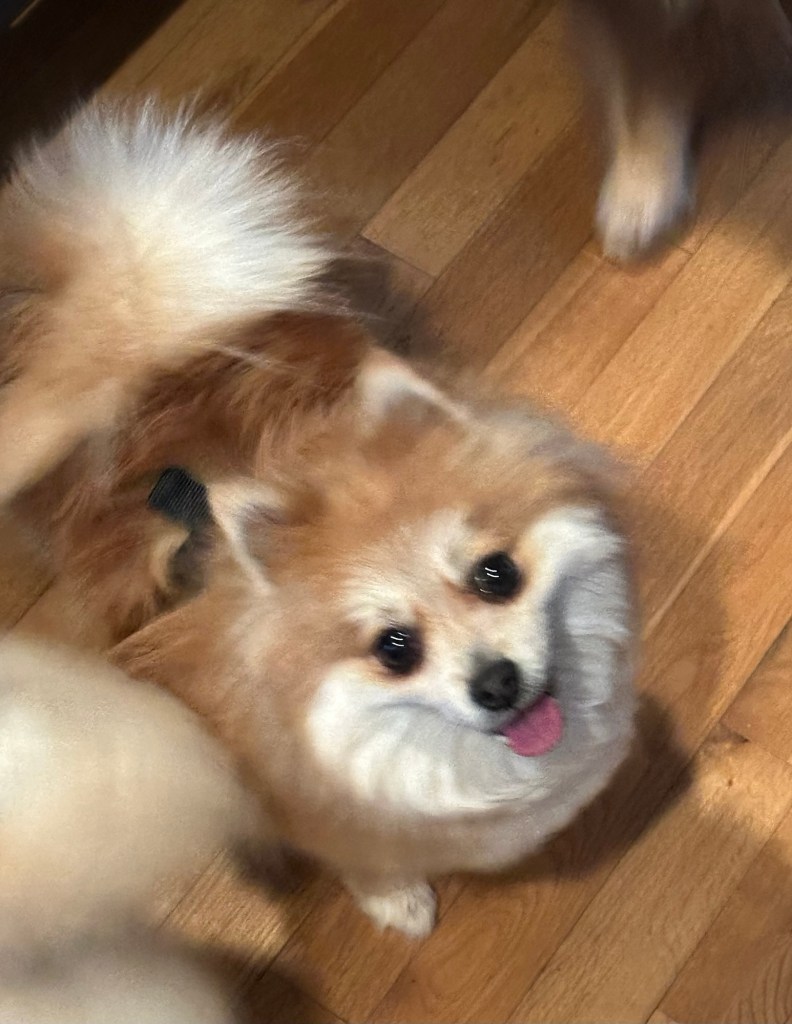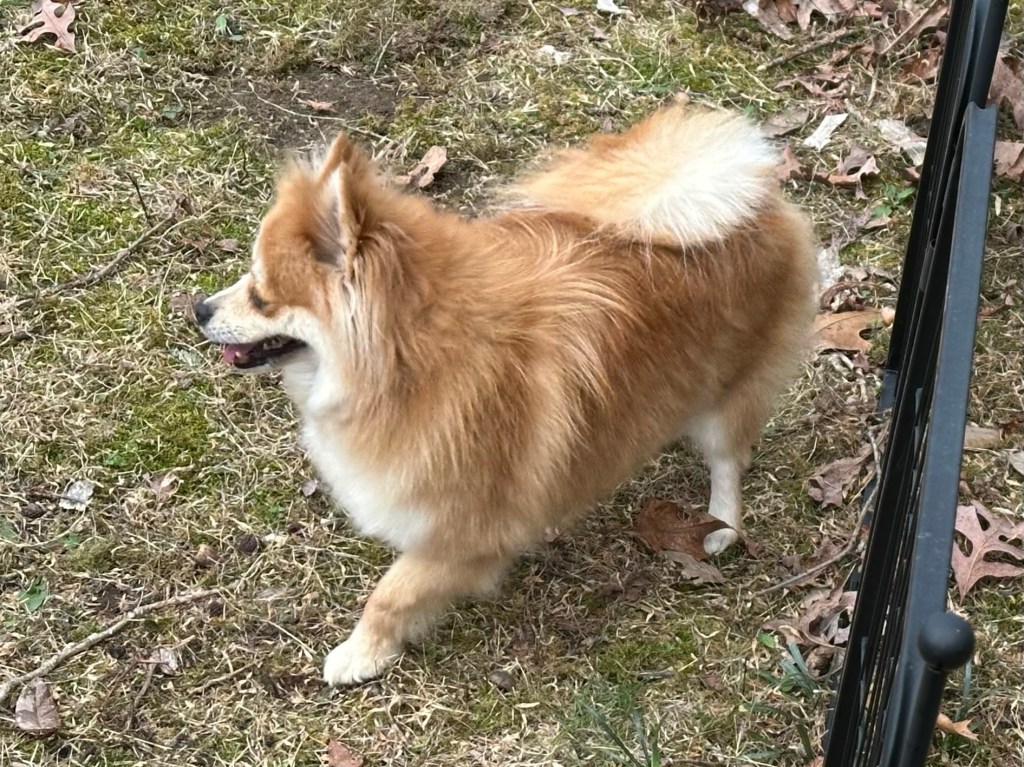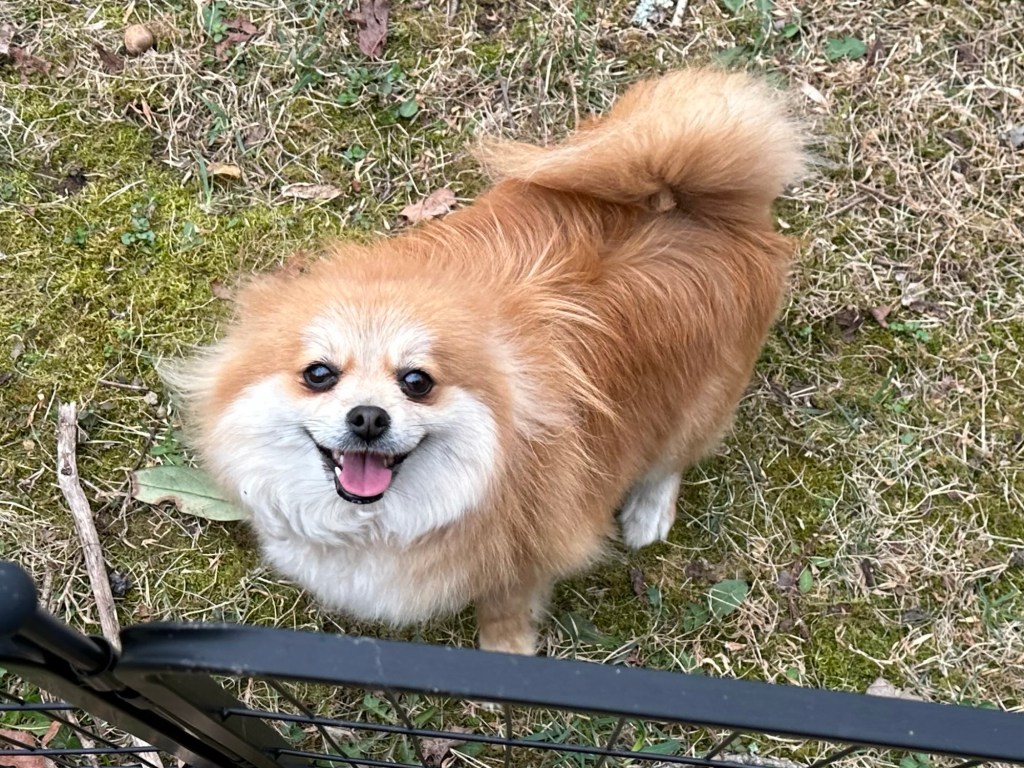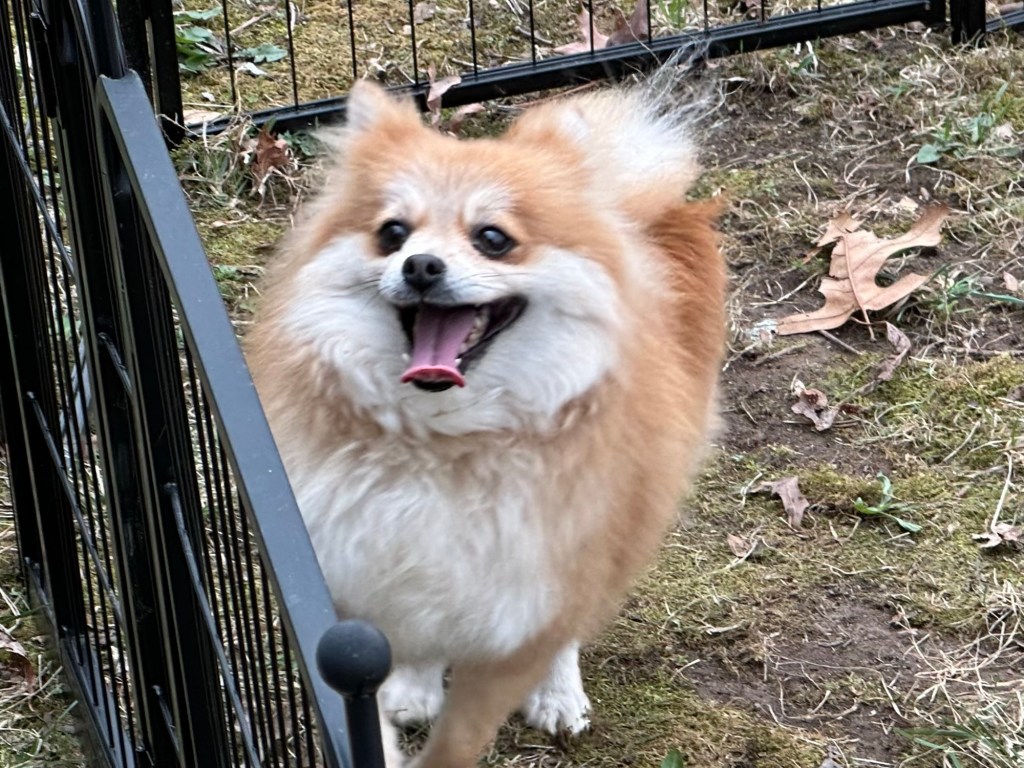
Club Member Highlight~ Tonic and Sonya

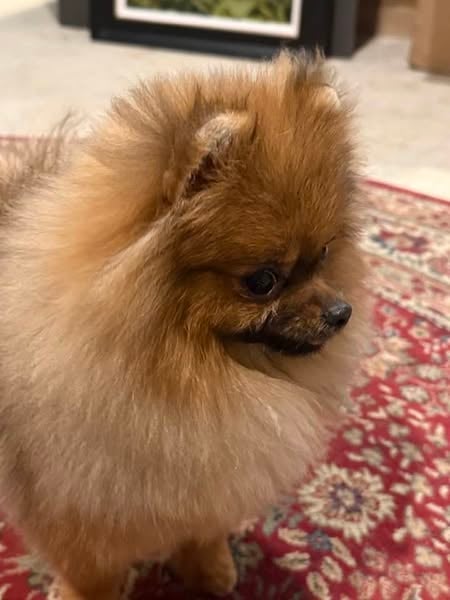
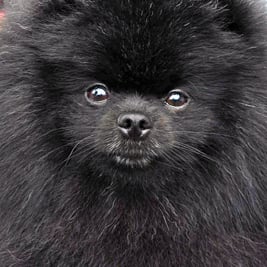
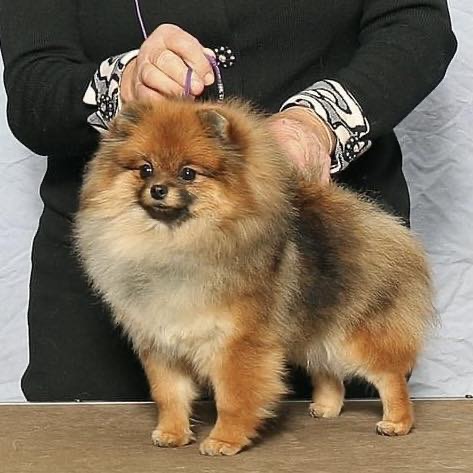
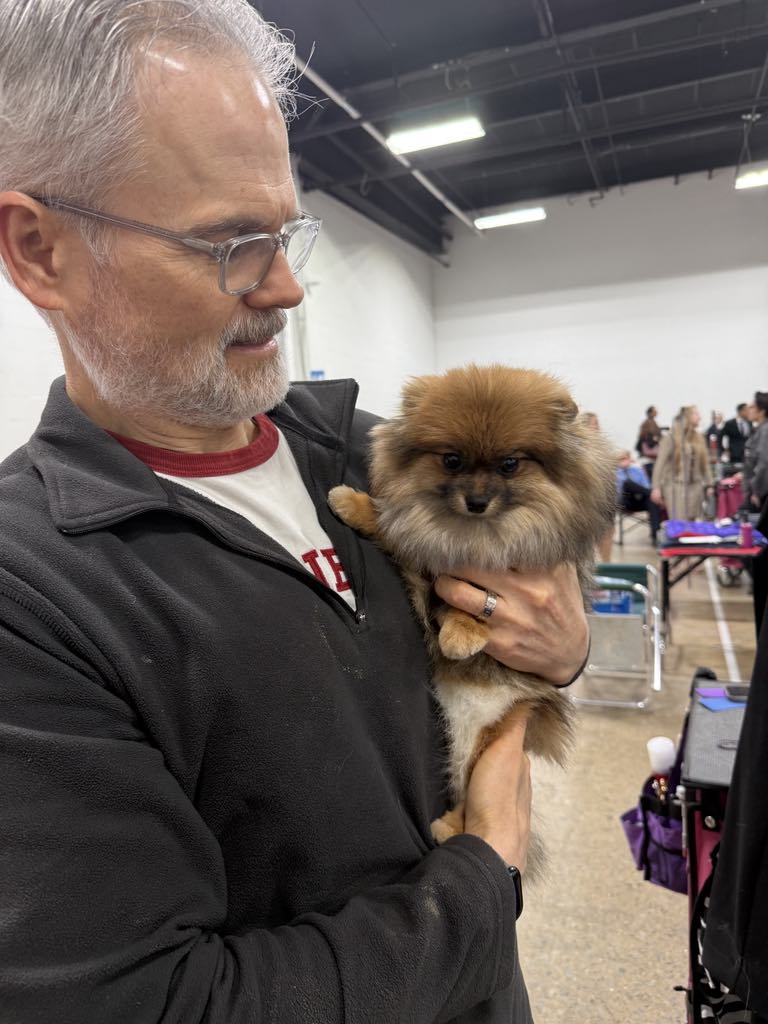
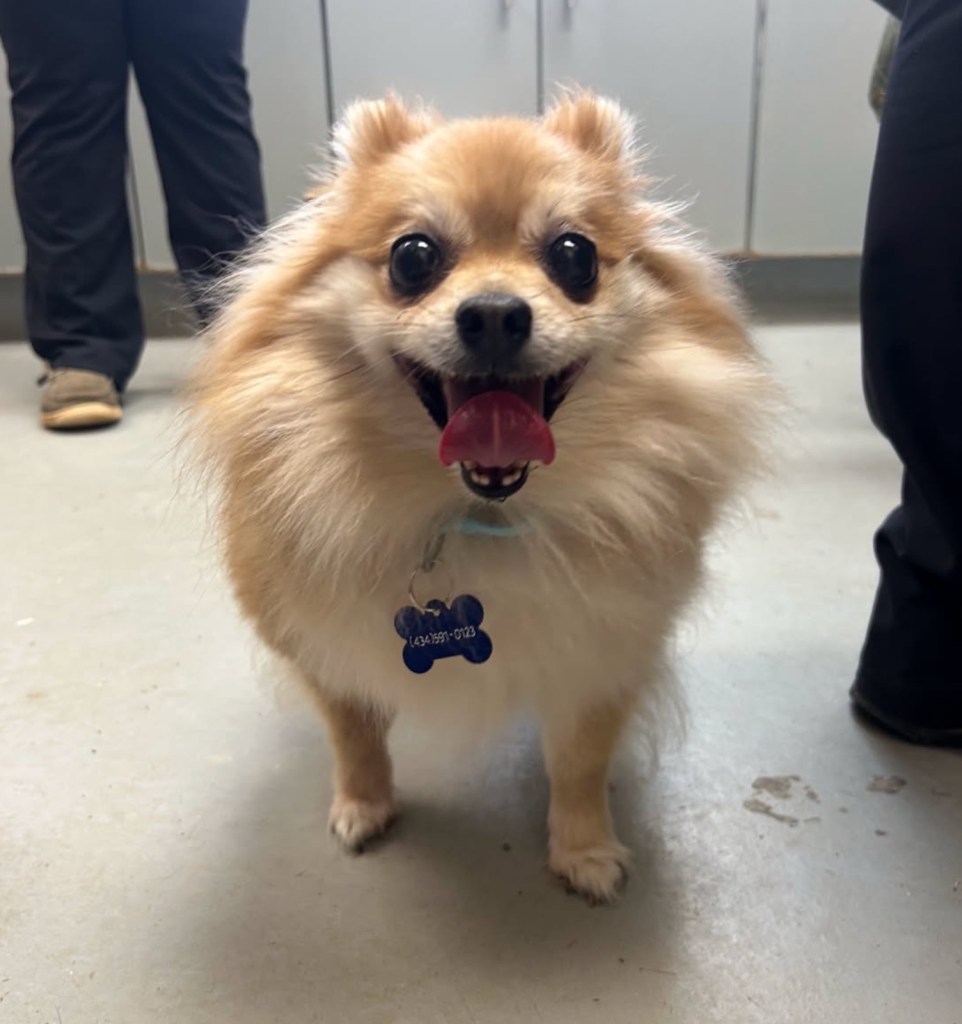
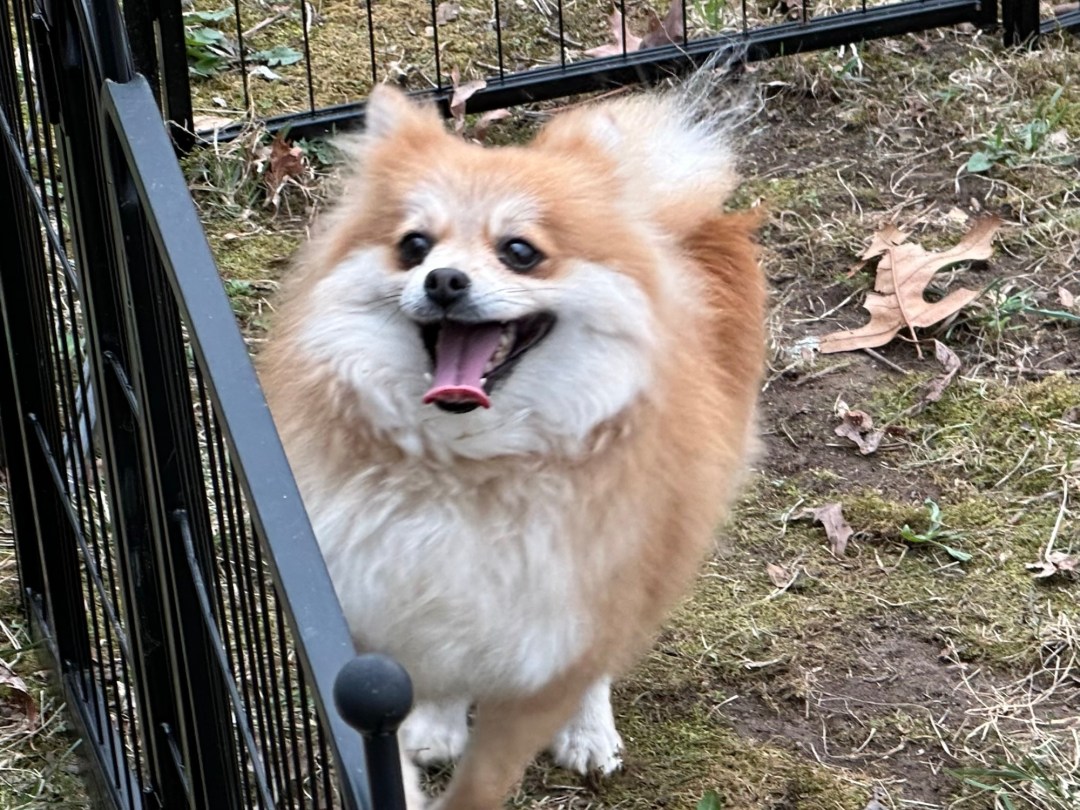
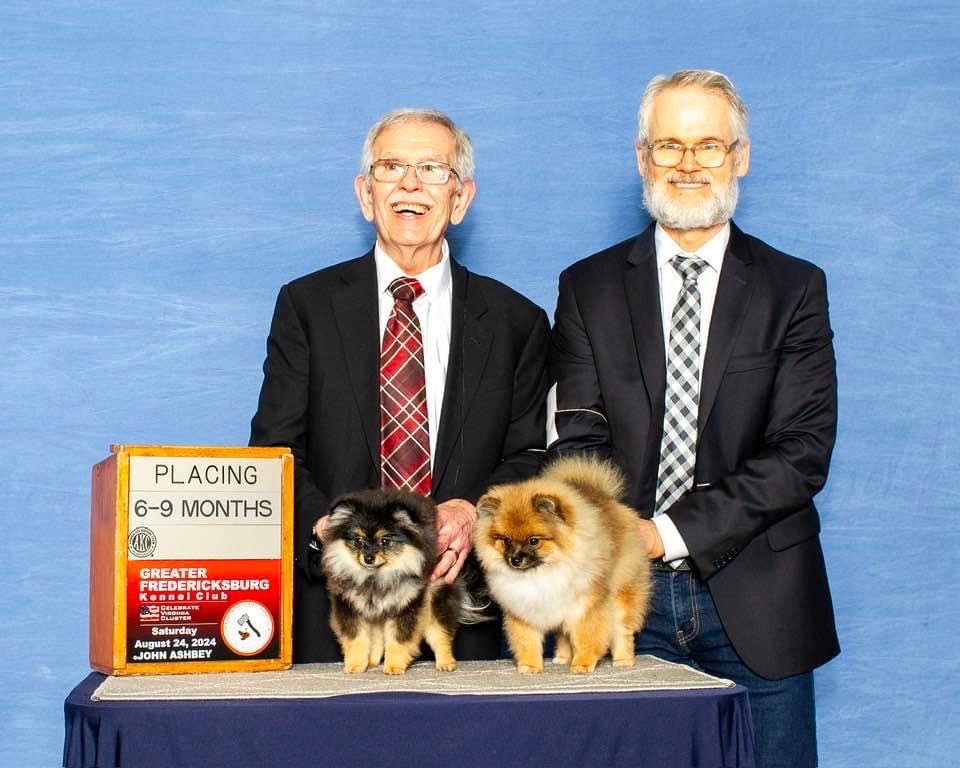
PCCV would like to highlight our very own star club member, Tonic, a spirited and handsome 5 year old Pomeranian bred and owned by Sonya Ratliff of Notorious Pomeranians. He has made remarkable strides in the dog show circuit over the past 3.5 years. As a cherished member of the Pomeranian Club of Central Virginia (PCCV), Sonya’s dedication to the breed is evident through Tonic’s impressive achievements.  Tonic has been a Top 20 dog since 2021, and for the past two years, he has been in the Top 10. The photo above is from the PCCV November 2024 Specialty Show in Virginia, where Team Tonic won the Best of Breed Owner Handled!
In 2023, Tonic captured attention at the National Dog Show by winning the Bred-By-Exhibitor Toy Group. This accolade not only showcased Tonic’s exceptional qualities but also highlighted Sonya’s commitment to excellence in breeding and presenting Pomeranians.

The following year, at the prestigious Westminster Kennel Club Dog Show in 2024, Tonic continued to shine. A memorable moment from the event was captured by The New York Times, featuring a heartwarming photograph of Tonic giving a “high five” while on his grooming table, preparing to compete in the Pomeranian group. This candid shot encapsulated Tonic’s lively personality and the strong bond he shares with Sonya.

Sonya’s active involvement in the PCCV and her dedication to the Pomeranian breed have significantly contributed to our club’s vibrant community. Tonic’s achievements over the past two years stand as a testament to her passion and hard work. The PCCV takes immense pride in celebrating the accomplishments of its members, and Tonic’s journey serves as an inspiration to all.

As we look forward to future competitions, we eagerly anticipate more milestones from Tonic and Sonya, confident that their journey will continue to elevate the standards of excellence within the Pomeranian community. 

The links to all of the articles / videos are below for everyone to enjoy:

  1. NBC Facebook Link to a reel showing Tonic at the National Dog Show in 2023, winning the Bred-By-Exhibitor Toy Group

https://www.facebook.com/share/r/15oKq7HrTr

  • Showsite Magazine – article by Andrew Brace – highlighting Tonic, the Pomeranian that won the Bred-By-Exhibitor Toy Group at the National Dog Show in 2023

Andrew Brace: 2023 ANC BBE Toy Group Judge – Showsight Magazine

  • The Philadelphia Enquirer – Article about the 2023 National Dog Show, highlighting Tonic, the Pomeranian that won the Bred-By-Exhibitor Toy Group

The National Dog Show is once again Philly’s Best in Show.

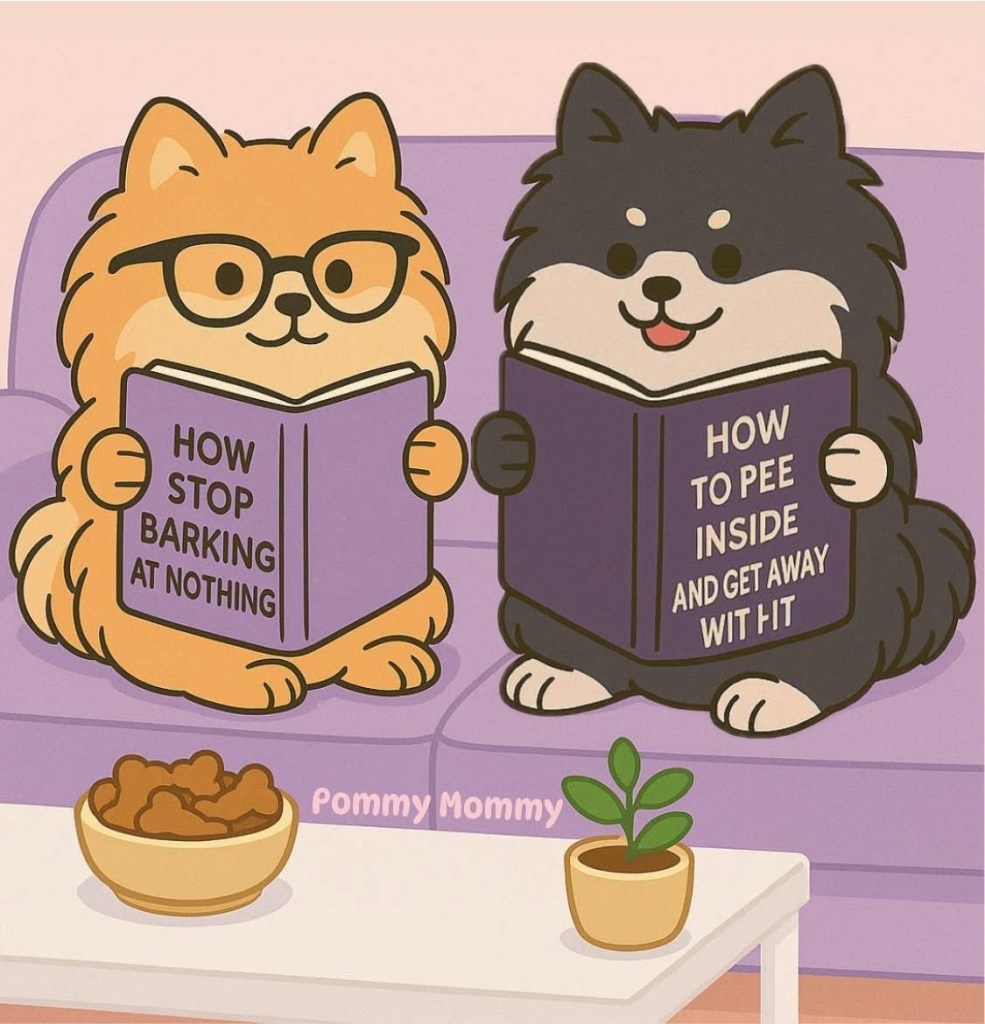
Pomeranian Self Help Books

APOTED – Mimi – female, 6 yo

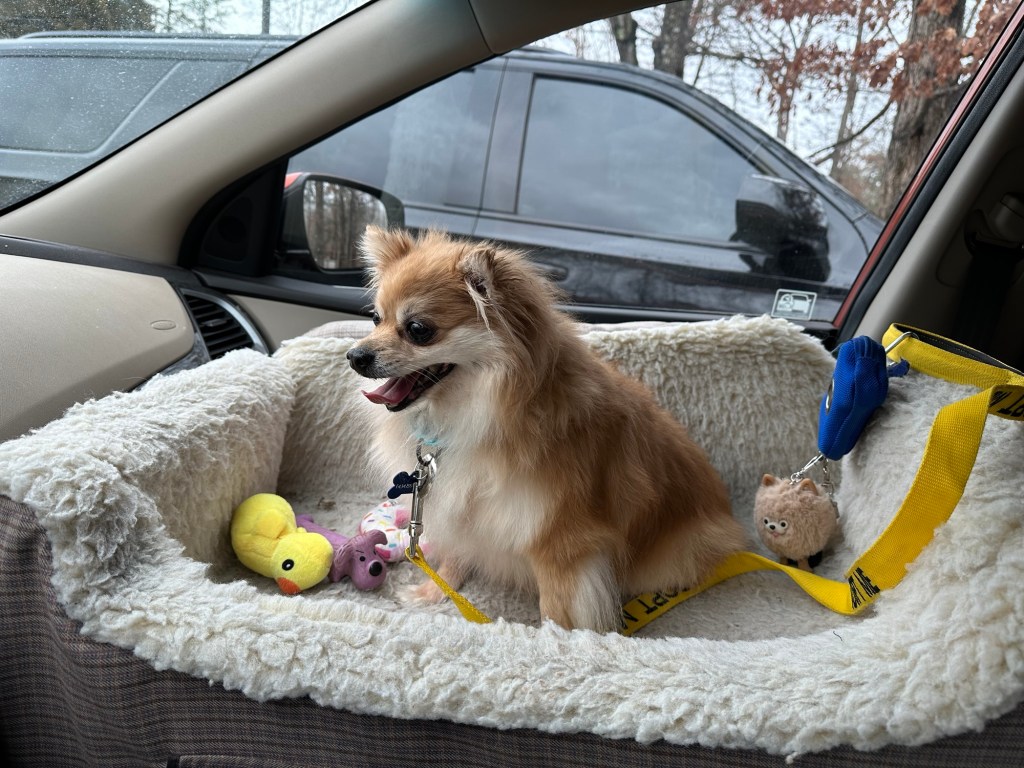
Mimi is very silky and soft with not much of an undercoat which makes grooming a breeze.  She is happy cuddling with you in bed, sitting next to you on the couch, or hanging out in the office while you work.  She is a fanatic for latex squeaky toys and comes running from anywhere in the house with a single squeak!

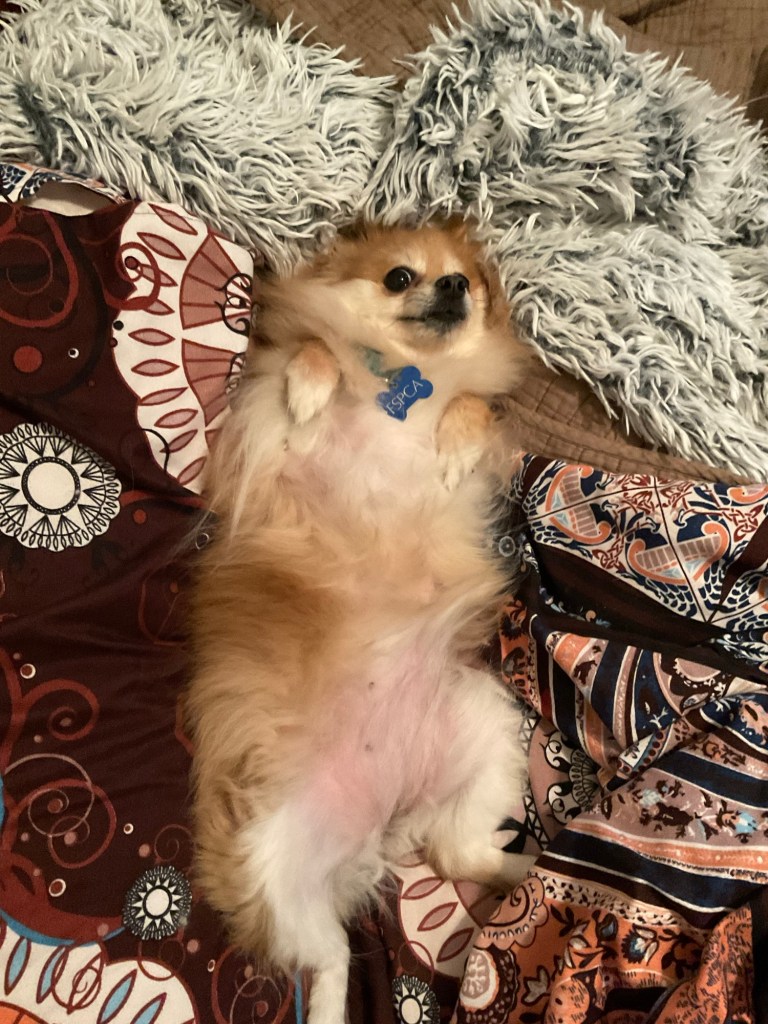
One of her favorite thing is belly rubs!  If she sees you coming, she automatically flips to her back with all 4 paws straight in the air anxiously awaiting those rubs. While you’re there, she also enjoys having her chin and throat stroked.   With her silky coat, it’s easy to stroke her for an hour!

When not playing or snuggling, she has claimed a spot on the top of the couch as her domain to snooze the afternoon away. She is house trained and didn’t mind the snow letting herself out through the doggie door.

She would do well in a house where she is given plenty of tosses of the squeaky toys and someone to hang out with all day.  She tolerates our other dogs but would prefer to have you all to herself.  She loves being with her people.

Mimi is a little on the chunky side and ideally should be closer to 8 pounds (currently she is 10lbs), so she needs a well-balanced diet and some exercise. She is a bit of a light eater, so this should be manageable. She does have a little trouble with her trachea when she gets worked up, so shorter walks or romps around the yard are more than enough for her.  Her back right knee is starting to show signs of a luxating patella (slipping kneecap, very common in Poms and does not impact her mobility).  Adding Cosequin or other glucosamine supplement to her diet and getting her weight down is important for her comfort and to keep her knees in good shape. 

Mimi’s adoption fee is $500. This covers the cost of the veterinary care, dental surgery, 3 year rabies booster (good until 2028), and prescription food she received prior to surgery to improve her GI health. She had 4 teeth removed in February during her dental.

ADOPTED – Peaches – F – DOB 11/30/21 – CKC Registered

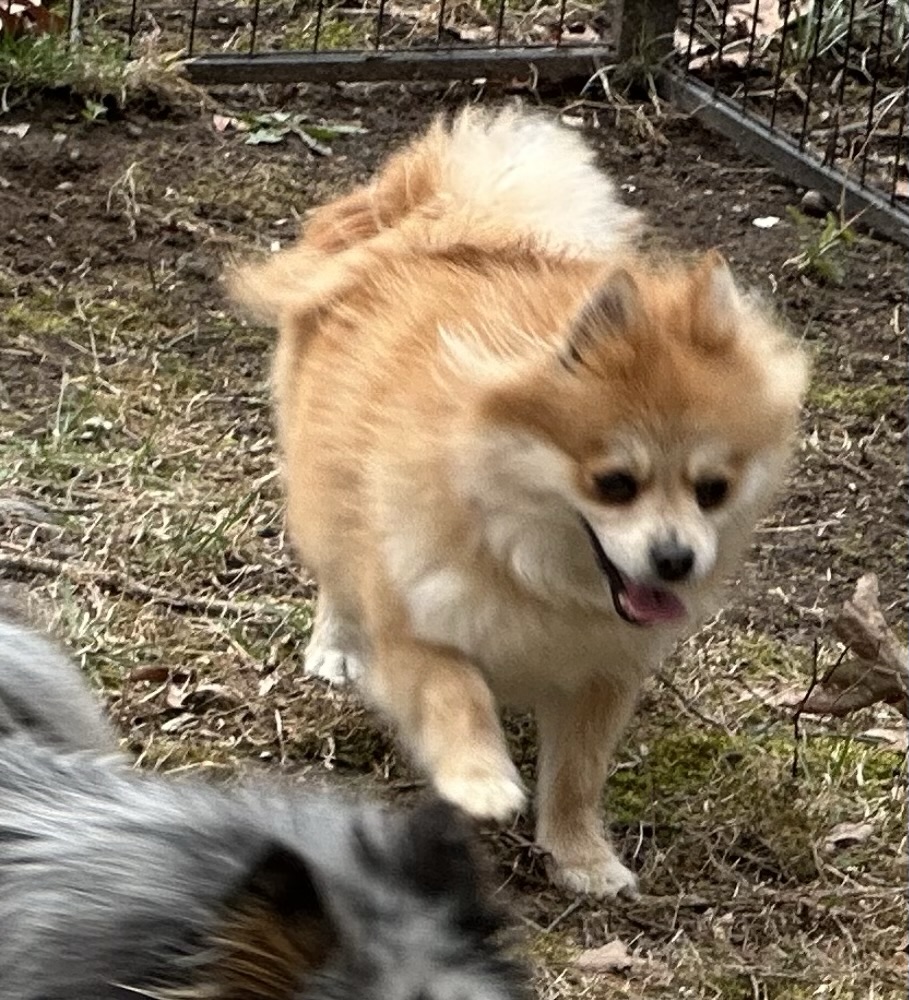
Introducing Peaches (aka Ms. Peach Bottom, Jumpin’ Bean, The Duchess of Zoom, and the Peach Fuzz Rocket Express!)

*Please consider that she is a “recent”(this year) mom. Pom moms often lose their coat while they are pregnant and nursing. Their coat takes a couple of months after weaning their pups to recover from all of the hormonal changes and physical demands of nursing.*

At just 3 years old and a fluffy 8 pounds, Peaches is a certified professional joy distributor. This girl bounces through life—literally. She jumps for joy. She jumps for snacks. She jumps just to show you that gravity is a suggestion.

She’s mastered the art of being both ridiculously cute and refreshingly low-maintenance. No behavior issues, no drama — just good vibes and the occasional vertical leap that defies physics. She’s spayed, had a recent dental (she’s down a couple of baby teeth and one molar but don’t worry—she’s still got plenty of sparkle), and is ready for her next gig as someone’s beloved sidekick.

Her current bestie is Sasha, our cream colored pom rescue, who is also available for adoption. While they’re an adorable duo, they’re not bonded, and can be adopted separately. But if you were looking to adopt two, these two would be a fabulous pair to welcome into your home, because life could always use more fluff and fewer dull moments. Peaches would thrive either as your one-and-only fluff queen or with a chill sibling who doesn’t mind sharing the spotlight.

If you’ve got a spot on your couch and a heart that needs softening, Peaches is your girl. If you’re looking for a well-adjusted, hilarious little companion who communicates 90% of her thoughts through eye contact and enthusiastic hops, Peaches is ready to audition for the role of your new best friend.

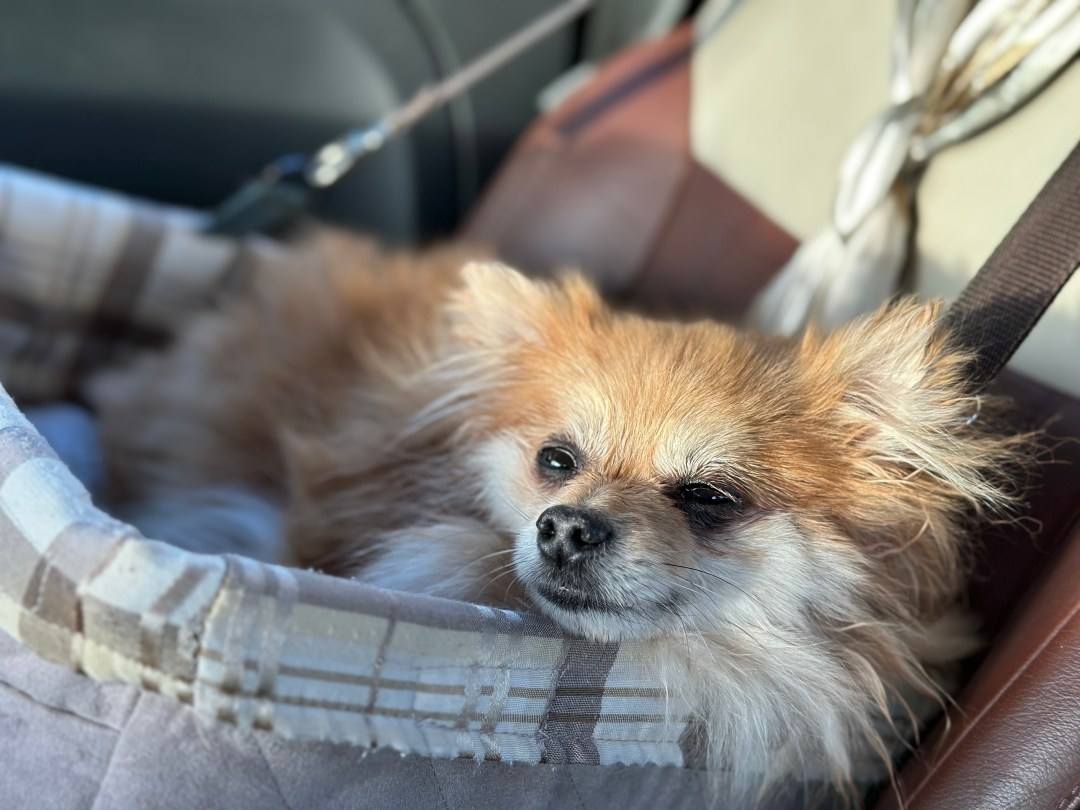
She does get a little carsick, so be mindful. She has not had much travel experience, so she may grow out of it.

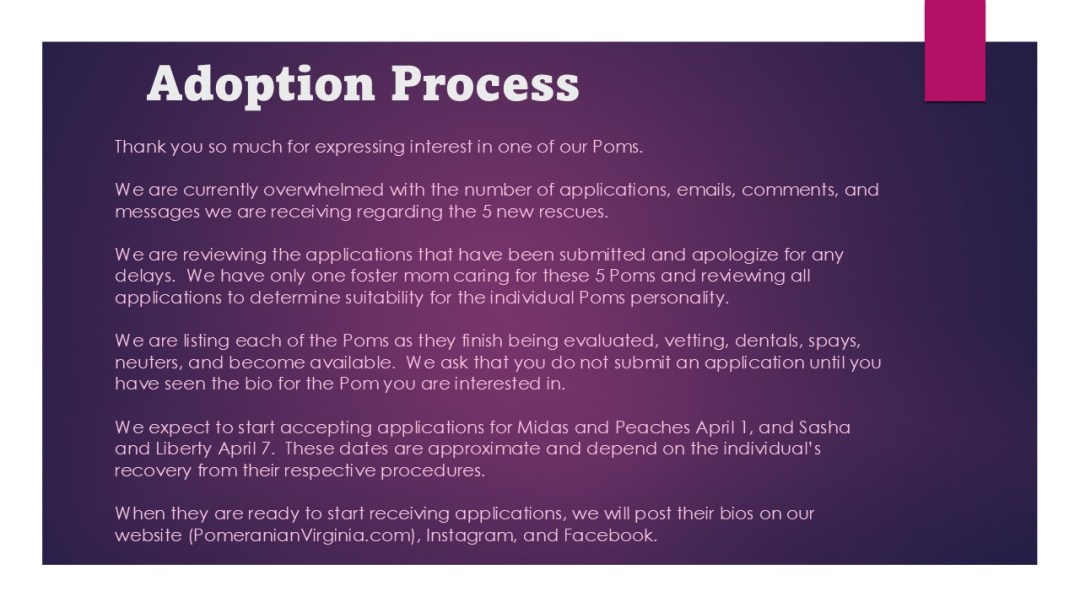
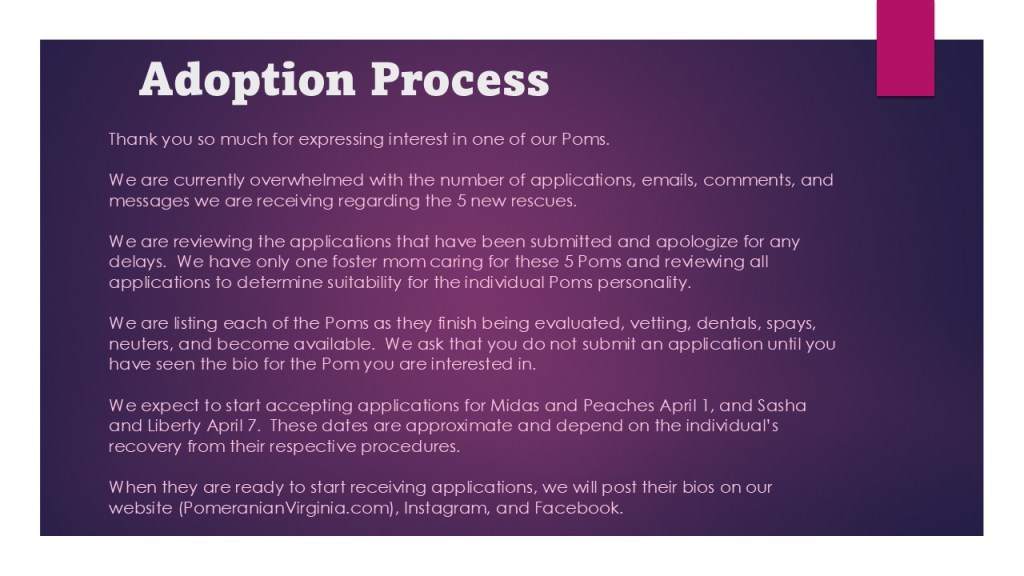
Unfortunately, his owner has been impacted by the federal return to work mandate and has a considerable commute. This necessitated him surrendering his beloved Poms due to not having the time to be with them. In total, 5 were surrendered and will be listed as they are available.

7 Things You Should NEVER Say to a Dog Parent

Some things are better left unsaid. No matter how good something might sound to you—before you utter it aloud—there are some basic “no no’s” when it comes to talking with a dog mom or dog dad. Here are 7 definite comments you should never tell a dog parent. See how many of these have been hurled your way.

  1. “You Have Dogs Because You Don’t Have Kids, Right?”

Not only is this rude, but there are millions of people who enjoy both varieties of kids: both the human and the canine types. If you are someone who chooses to have children and then look down upon me or any other millions of childless by choice folks with a sneer, think twice before you speak. We are not lesser people for not having human children. In fact, many of us feel much richer by being graced by the presence of a dog.

  1. “Oh, Your Dog Died? Well, Get Another One!”

Though I said “never again” to allowing a dog to enter my life and thus my heart, exactly 30 days after losing my dog in 2008, I did bring another dog into my life. I know I could never not love this way again. For millions of us, hearing “just get another one” when a dog dies is insensitive and can be interpreted as downright cruel, no matter how well-intentioned your words might seem. We do not replace people when they pass, and dog parents feel the same way: A life is irreplaceable no matter the form it takes.

  1. “Dogs Should Not Be Allowed on Furniture/Bed”

To everyone whose name graces my birth certificate other than myself, I say “shhhh.” According to a survey conducted by the American Pet Products Association, almost half of dogs sleep with their owners in their owner’s beds. Until you walk a mile in someone else’s shoes, where their dog is allowed to reside is totally their own business. Besides, some of us sleep better, feel calm, and are generally more positive people with a dog by our side, present company included.

  1. “That Dog Doesn’t Understand What You’re Saying”

I talk to my dog. Raise a paw if you are one of the millions of people who talks to their canine family member(s). I do this whether I am doing laundry, shopping in a pet-welcoming store, or driving in the car. Maybe he doesn’t understand “Mommy needs a new pair of pumps” but he knows the intonation of my voice and responds with a tail wag and a tilted head; or sometimes no reaction at all. Dogs are living, breathing beings, and it is a fact that much of what we say is understood. Just ask Chaser, the dog who knows well over 1,000 words. To each their own, and if talking to my dog bothers you then don’t eavesdrop.

  1. “That Dog Should Be Put Down; He’s Costing You Too Much Money”

Perhaps one of the most unsavory and disturbing trends involves folks who feel they are the mortality police. The decision to euthanize a beloved pet is a very personal and heartbreaking one. I know because I’ve been down that road. Telling me to put a dog down in the name of cost savings is grounds for dismissal from my life, and I know I am not alone in feeling this way.

  1. “You Shouldn’t Let that Dog Kiss You”

My mouth, my face, my dog, my life: These four factors alone are all reasons why dog kisses are allowed. Yes, there is a whole scientific school of thought, and some fact, about germs and bacteria and cross contamination and zoonotic diseases. If you don’t want a smooch from my pooch if I am getting a dog kiss, look away and say nothing.

  1. “You Are Welcome, But the Dog Is Not”

As someone who has traveled the country with dogs for over 20 years, my mantra is “love me, love my dog.” I do not expect dogs to be allowed everywhere and anywhere, but I do expect the welcome mat to be rolled out if I want to bring my well-behaved dog with me to certain things. Granted, I know my dog can’t come to your wedding or to someone’s funeral, though I’ve seen pooches at both. If you simply do not want my dog at your house because you just aren’t all that into dogs, then sorry: I’m just not all that into you.

https://be.chewy.com/pet-parenting-pet-lovers-7-things-you-should-never-say-to-a-dog-parent

ADOPTION APPLICATION UPDATES

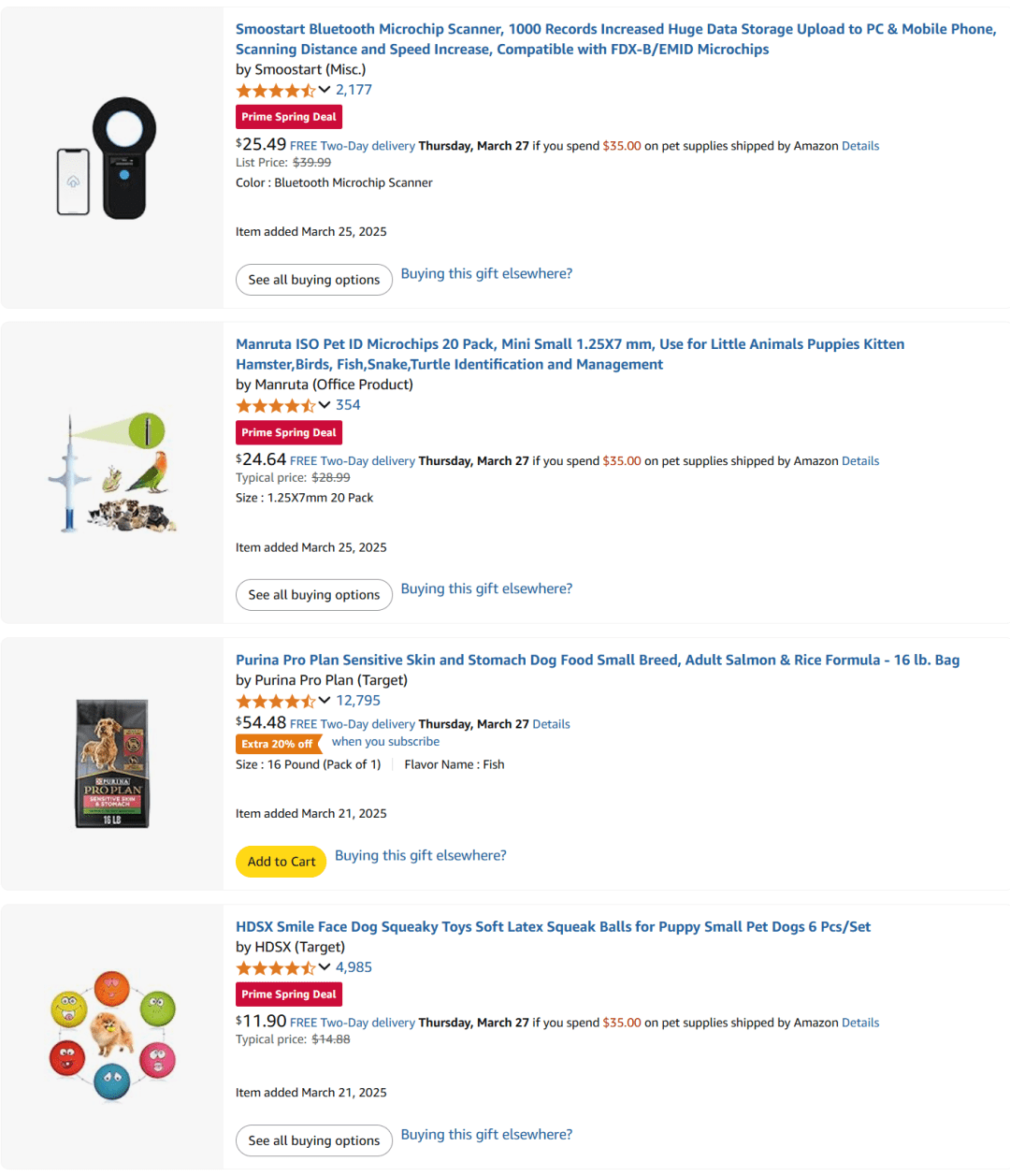
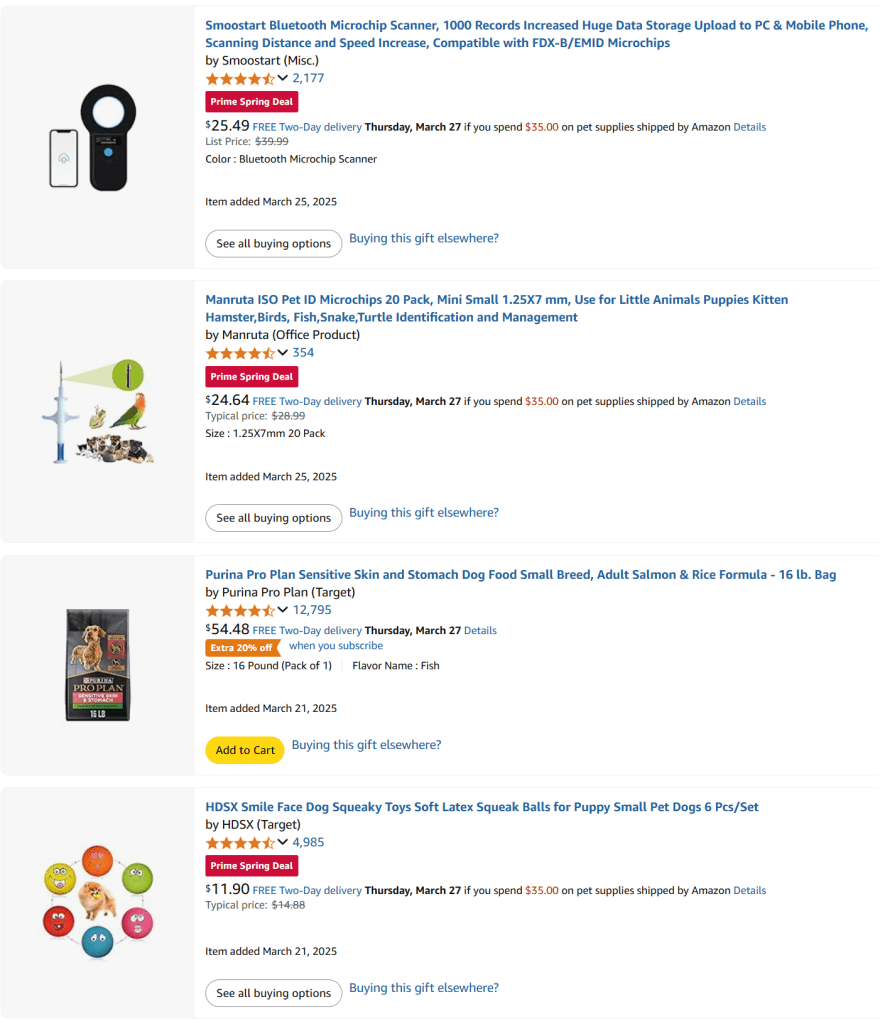
Donate Items from our Amazon Wish List

JUST IN TIME FOR APRIL 15th. GET IN THOSE LAST-MINUTE DONATIONS TO DEDUCT ON YOUR TAXES!!

In addition to general care, we would love to start microchipping all our rescues. If we chip our rescues, then if at any time in the future one of our rescues shows up in a shelter or another rescue, it will lead back to us. The new owners can also add their information, but our contact info will also be available if the owner is not found or has never registered the chip. This ensures we can reclaim any of our rescues!

ADOPTED – Archer – male – DOB 6/29/23

The adoption fee is $600.

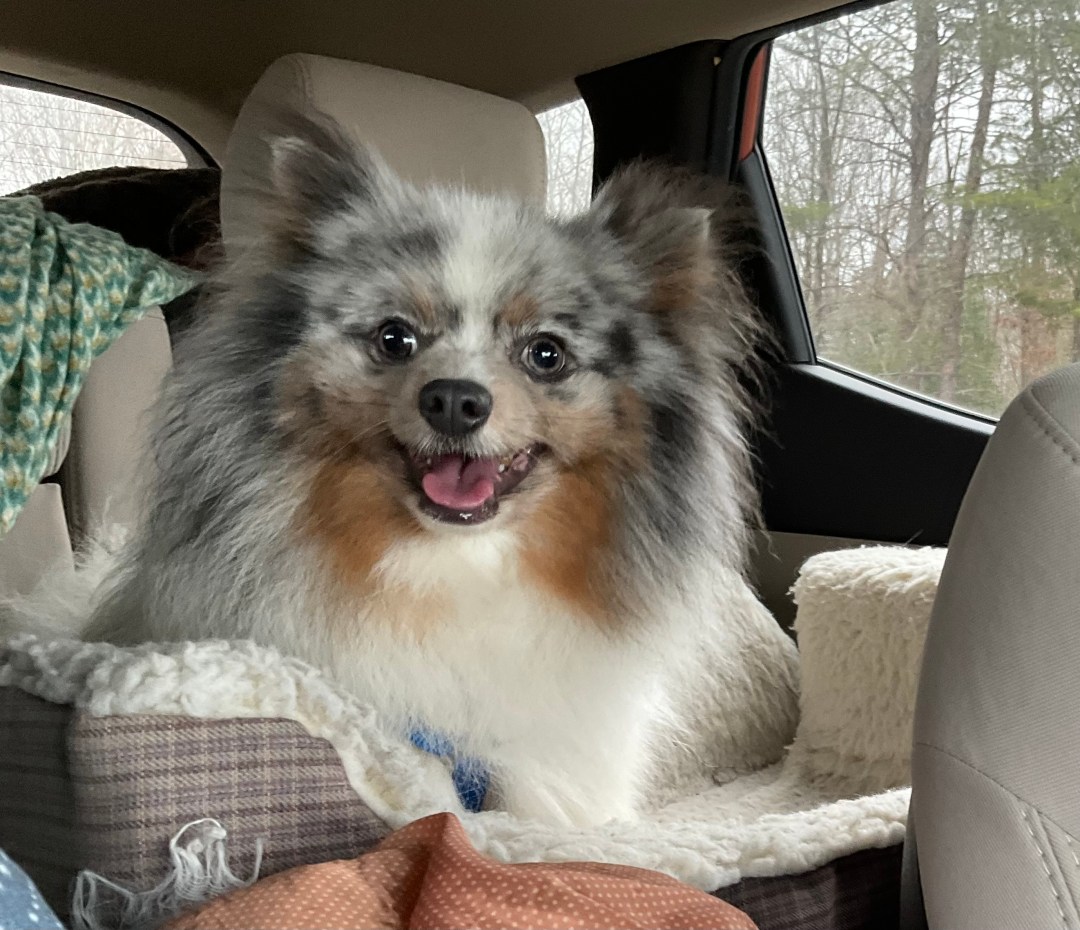
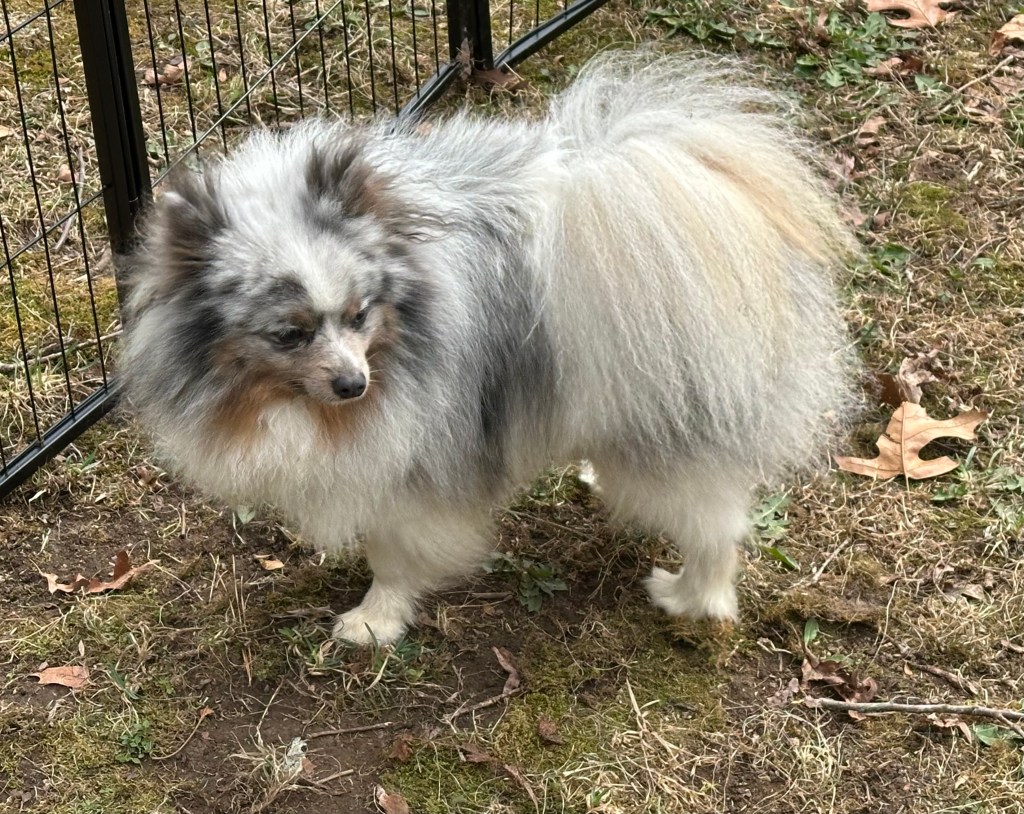
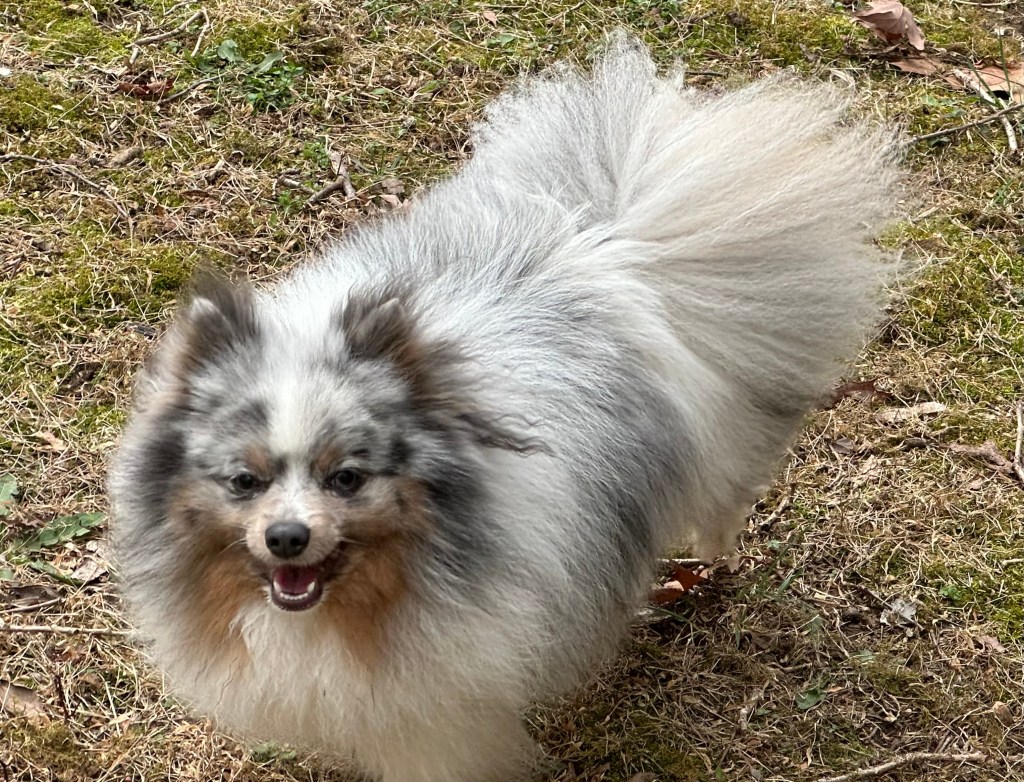
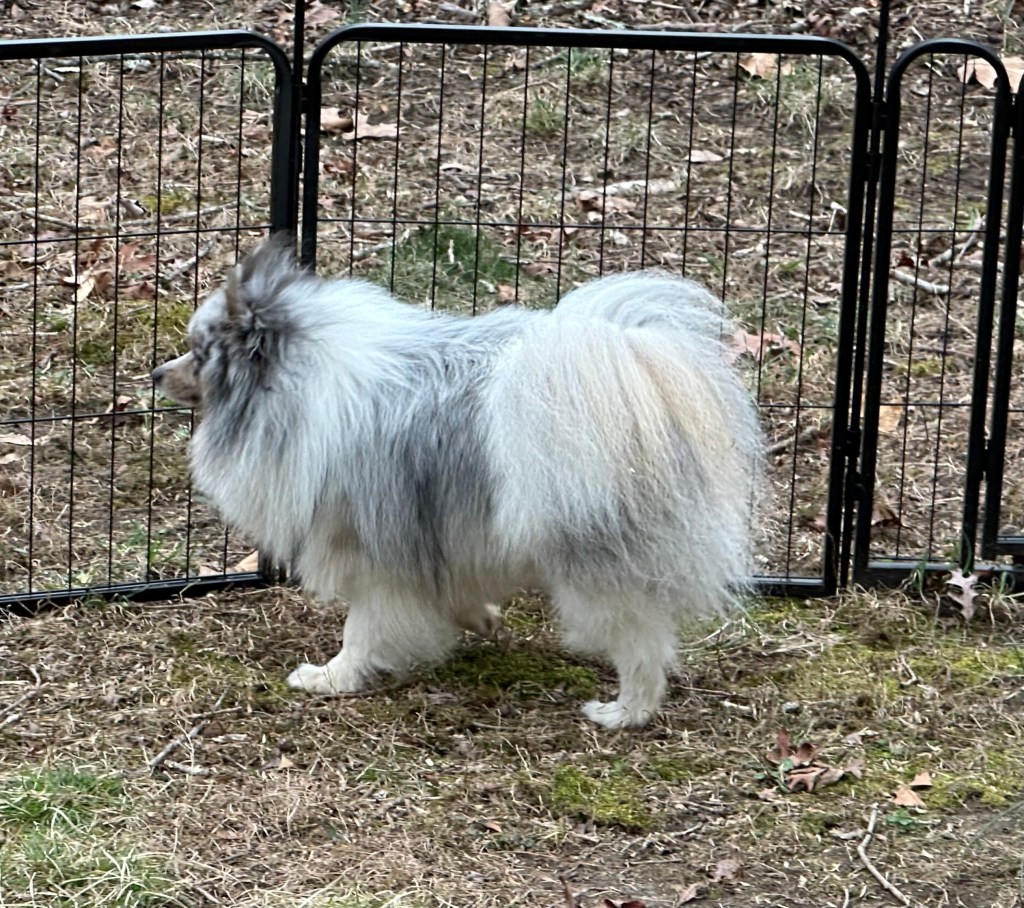
Archer is a very handsome, AKC registered, very rare Blue Merle Piebald Parti Pom. He was born on 6/29/2023 and is currently just over 11 pounds. He was being overfed just a little and ideally he should be under 10 pounds. Archer has been neutered and his shots are up to date until 2026 (DHPP) and 2027 (Rabies).

Archer is very personable. He was giving kisses in the car on the way home. He has a massive, gorgeous coat in a very unusual color pattern you rarely see in Poms. He will require regular grooming with a stainless steel comb to keep his thick undercoat from getting mats. A quick run over with a slicker brush after combing will pick up any loose hairs and can easily be done while sitting on the couch watching your favorite shows.

He did get a little queasy on the car ride home and drooled all down his chin. Given the amount of stress involved with being taken from your home and being carted off by 2 strangers, it may or may not be an ongoing issue.

Unfortunately, his owner has been impacted by the federal return to work mandate and has a considerable commute. This necessitated him surrendering his beloved Poms due to not having the time to be with them. In total, 5 were surrendered and will be listed as they are available.

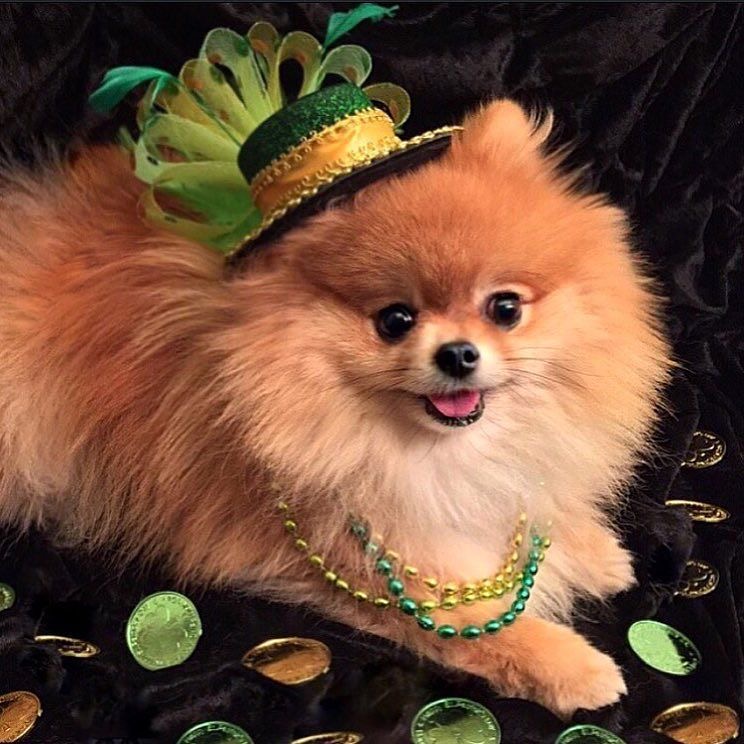
Happy St Paddy’s Day

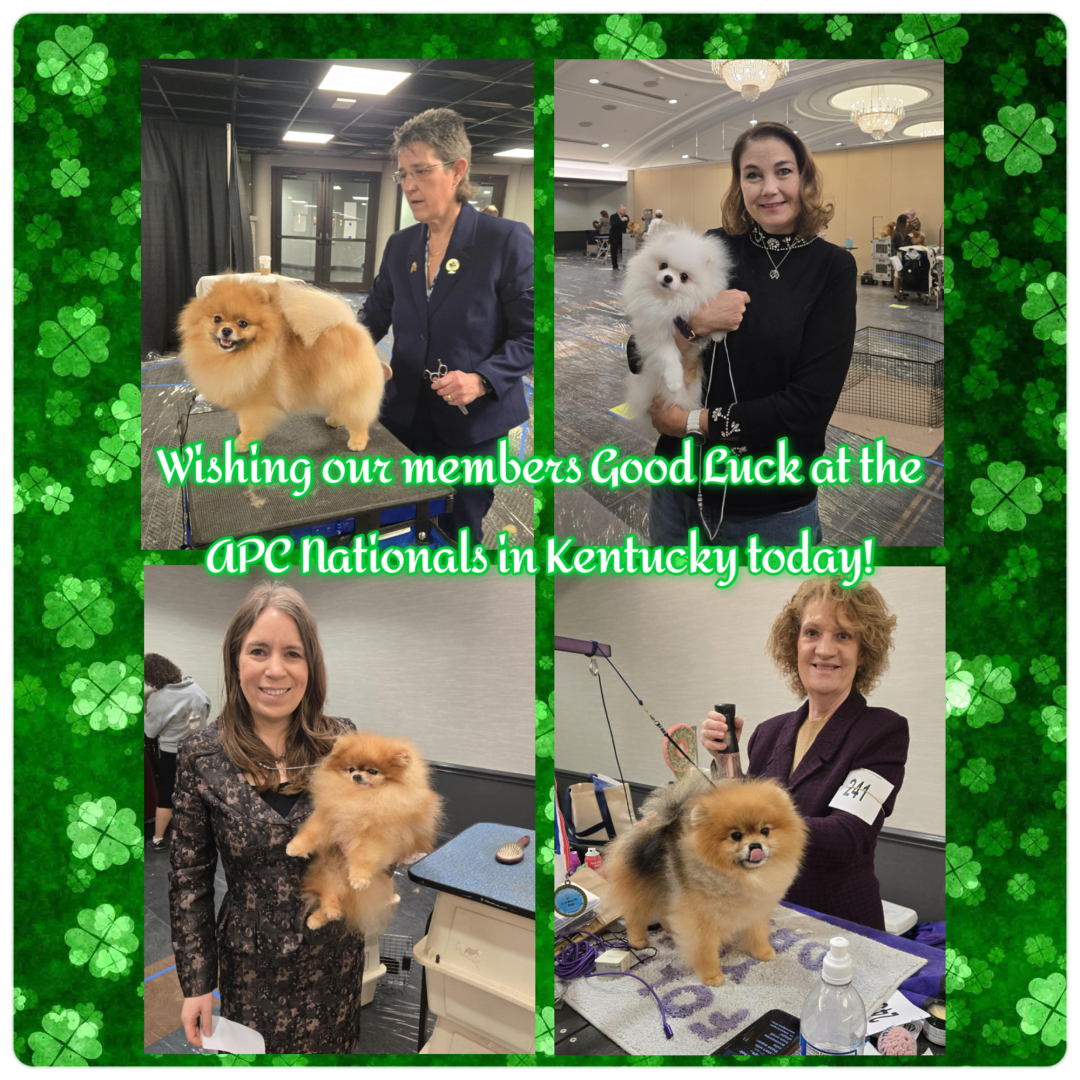
APC Nationals in Louisville

18 Things You Didn’t Know About Dog Paws

1. What’s in a Paw?

Of the 319 bones, on average, that comprise a dog’s skeleton, a handful of those (so to speak) are dedicated to the paws. Along with bones, dog feet include skin, tendons, ligaments, blood supply, and connective tissue.

2. Paws Have Five Parts

Paws are made up of the following five components: Claws, digital pads, metacarpal pads, dewclaws, and carpal pads, as illustrated below.

 
Parts of dog paw labeled: claws, digital pads, metacarpal pad, dewclaw, carpal pad
Illustrated with the paw of a 4-week-old puppy.

Eric Isselee / Shutterstock / Treehugger

Pads

3. The digital and metacarpal pads work as shock absorbers and help protect the bones and joints in the foot. The carpal pads kind of work like brakes, and help he dog navigate slippery or steep slopes.

4. Paw pads have a thick layer of fatty tissue, but that doesn’t mean your pooch can’t sustain an injury from walking on a surface that’s too hot or cold.1 Scientists believe that domestic dogs first evolved in colder environments before spreading out into other climates.2 The thick pads allow dogs to develop a tolerance to temperature extremes. However, in cold weather, dogs can suffer from cracked or bleeding paws and in hot weather, walking on hot sand or sidewalks can cause their paws to blister.

5. The pads also offer protection when walking on rough terrain.3 Dogs that are outside a lot and exposed to rough surfaces have thicker, rougher paw skin; dogs that stay in more and walk on smoother surfaces have softer pads. The pads also help the dog distinguish between different types of terrain.

 
Pads of a dog's paws lying on the grass

mikroman6 / Getty Images

6. The inner layer of skin on the paw has sweat glands, though they are not effective in cooling a dog on a hot day. You might notice paw prints as your dog’s paws exude moisture; dogs get sweaty hands, just like humans do.

Toes

7. Dogs are digitigrade animals, meaning that their digits—not their heels—take most of their weight when they walk.4 Because of this, dogs’ toe bones are very important.

8. Dog’s toes are equivalent to human’s fingers and toes, although they are unable to wiggle them with the ease that we do.

Dewclaws

9. Dewclaws are thought to be vestiges of thumbs.1 Dogs almost always have dewclaws on the front legs and occasionally on the back. Front dewclaws have bone and muscle in them, but in many breeds, the back dewclaws have little of either. Because of this, dewclaws are often removed to prevent them from getting snagged. (However, opinions on the necessity of this procedure are mixed.)

10. Although they don’t provide very much function for traction and digging, dogs do use their dewclaws; they help the dog get a better grip on bones and other things the dog may like to chew on. Front dewclaws also provide traction when dogs are running at high speeds. 

Dewclaws of a Beauceron

Pleple2000 / Wikimedia Commons / CC BY-SA 3.0

11. Great Pyrenees still use their rear dewclaws for stability on rough, uneven terrain and often have double dewclaws on the hind legs. Among show dogs, the Beauceron breed standard is for double rear dewclaws; the Pyrenean shepherd, briard, and Spanish mastiff are other breeds that have double rear dewclaws listed for show standards as well.

Shape and Size

12. Breeds from cold climes, like St. Bernards and Newfoundlands, have wonderfully large paws with greater surface areas. Their big, floppy paws are no accident; they help these breeds better tread on snow and ice.

13. Newfoundlands and Labrador retrievers are known for their long toes. Both breeds also have webbed feet, which helps make them excellent swimmers. Other breeds with webbed feet include the Chesapeake Bay retriever, Portuguese water dog, field Spaniel, and German wirehaired pointer.

14. Some breeds have what are called “cat feet.” These dogs have a short third digital bone, resulting in a compact feline-like foot; this design uses less energy to lift and increases the dog’s endurance. You can tell by the dog’s paw print: the prints of cat feet are round and compact. Akita, Doberman pinscher, giant schnauzer, Kuvasz, Newfoundland, Airedale terrier, bull terrier, keeshond, Finnish spitz, and Old English sheepdog all have cat feet.

 
A single hare-like paw of a greyhound dog in a human hand

Marianne Perdomo / Flickr / CC BY-SA 2.0

15. On the other hand — er, paw — some breeds have “hare feet,” which are elongated with the two middle toes longer than the outer toes. Breeds that enjoy hare feet include some toy breeds, as well as the Samoyed, Bedlington terrier, Skye terrier, borzoi, and greyhound. Their paw prints are more slender and elongated.

Paw Odor

16. And then there’s “Frito feet.” If you notice the distinct smell of corn chips emanating from your dog’s paws, resist salivating. Sometimes the aroma is due to bacteria and fungi, but generally, the odor doesn’t lead to complications for the dog.

Massage

17. Do you love having your hands massaged? So does your pup. A paw massage can relax your dog and promote better circulation. Try rubbing between the pads on the bottom of the paw, and then rubbing between each toe.

Etymology

18. “Paw” comes from the early 14th-century paue, meaning “hand or foot of an animal which has nails or claws,” from Old French powepouepoe “paw, fist,” a word of uncertain origin.

https://www.treehugger.com/things-you-didnt-know-about-dog-paws-4864204

Pet Odors and Potential Health Risks

Pet odors in the home can be more than just unpleasant—they can pose health risks if not properly managed. For instance, pet waste can release ammonia into the air, which can trigger respiratory issues and irritation in humans, and in high concentrations, may even lead to illness.

To avoid these risks, it’s essential to monitor your pet’s activities and clean up any accidents as soon as they happen. Using enzymatic cleaners specifically designed for pet messes is key, as they break down odor-causing compounds effectively.

Additionally, pet dander can lead to allergic reactions in sensitive individuals. Maintaining good hygiene and cleanliness in the home, including regular cleaning of high-traffic pet areas, can help minimize both odors and potential health hazards.

Here are some tips to help keep your home fresh and free from pet odors and bacteria:

  • Remove Odors: Odors can be a cause of health problems. The human olfactory system has the responsibility of detecting odors.
  • Indoor Air Hazards Every Homeowner Should Know About: Signs of indoor air hazards may include noticeable odors, stale air, and a lack of air movement in a home.
  • Biological Pollutants in Your Home: Pet dander can be a source of biological pollutants. Some people have sensitivities to biological pollutants, and they may have an allergic reaction.
  • How to Clean Up Cat Urine: When cat urine comes into contact with a household surface, it’s important to clean up the mess quickly. If odors persist after cleaning an area, it may be necessary to resurface or replace materials.
  • Pet Stains: Cleaning up pet stains within an hour or two of occurrence should be enough to resolve the stain and odor. Applying sunlight and air circulation to a stain can also help resolve it.
  • Odors: What’s That Smell? (PDF): It may be possible to neutralize odors in bedding by sprinkling the area with baking soda. Allow the baking soda to sit on the fabric for several hours, then vacuum it.
  • Baking Soda: The Everyday Miracle (PDF): Baking soda neutralizes odor molecules to stop unpleasant smells. Baking soda is also a natural and safe substance, making it ideal for sprinkling on a pet’s bed to control odors.
  • What to Do if Your Dog Soils the House: When pets make messes in the house, you must clean up the mess thoroughly to prevent issues. An enzymatic cleaner will break down molecules to remove them completely from a surface.
  • Help Yourself to a Healthy Home (PDF): Restricting pets from living areas and bedrooms can help if family members have problems with asthma or allergies. This restriction will help eliminate pet dander from these areas.
  • The Indoor Cat Initiative (PDF): Cats may intentionally mark their territory with urine spray. If this occurs, you will need to clean up the mess thoroughly to prevent lingering odors.
  • Bathing Your Dog: Dogs need regular bathing to minimize odors, which they can transfer to surroundings in a home.
  • Asthma Triggers (PDF): Cats, dogs, birds, and rodents can produce allergens that enter the air and incite an allergic response in some people. Improper cleaning in a home may lead to an excess of dander and odors, which can make allergies worse.
  • Dangers of Dog Poop: Failure to clean up dog feces can lead to contamination and illness. Parasites are often present in dog feces, which can transfer to humans to cause illness.
  • Five Important Reasons to Clean Up Pet Waste: Cleaning up and disposing of pet waste is one of the tasks of pet ownership. Allowing waste to accumulate without disposing of it can lead to unpleasant odors and illness.
  • Ammonia Fact Sheet: Allowing pet waste to fester without cleaning it can lead to the release of ammonia into the air. Ammonia has a strong and unpleasant odor. Exposure to ammonia can lead to health issues.
  • Indoor Air Issues: Ammonia (PDF): Ammonia is colorless, but it has a strong odor. Pet urine contains ammonia. Exposure to ammonia in an enclosed area can cause irritation of the throat, eyes, and nose. Headaches may also occur.
  • What Is Ammonia? Ammonia occurs naturally in some types of bacteria, including pet urine. People may notice exposure to ammonia with symptoms such as burning eyes, nose, and throat.
  • Removing Pet Stains and Odors (PDF): Finding the source of pet odors can be challenging. Using a black light may enable you to find old urine stains.
  • Successful Cleaning to Remove Pet Odors and Stains (PDF): Steam cleaners can be counterproductive when cleaning urine stains from upholstery and carpet. The heat from the steam may actually set in the odor and the stain instead of removing them.
  • Removing Pet Stains and Odors: Cleaning pet stains with products containing ammonia or vinegar will mask the odors instead of removing them. An enzymatic cleaner should effectively remove both stains and odors.
  • Successful Cleaning to Remove Pet Odors and Stains: Pet supply stores sell enzymatic cleaners for removing pet stains and odors.
  • Cleaning Tips: Failure to clean up urine completely may lead to future problems. Even if you cannot smell urine, a pet probably can. The pet may make additional messes in the same area because urine odors persist.
  • Odor Removal Guidelines: Remove summer odors with these quick tips.
  • Owning a Cat: A dirty litter box may lead a cat to urinate inappropriately in the home. If a cat feels threatened, it may also urinate outside of the litter box to mark its territory.
  • Creature Comforts: Assess potential litter box issues if a cat has problems with inappropriate urination. Placing the litter box in a location where a cat feels uncomfortable might cause the cat to refuse to use it.
  • Cat Behavior Tips (PDF): A cat may have a health problem if it does not use a litter box correctly. Have a cat evaluated by a veterinarian if indiscriminate urination occurs.
  • Urine Spraying (PDF): Neutering a male cat is an effective way to stop urine spraying in the home. Always clean up urine messes quickly and thoroughly to avoid lingering pet odor.

https://www.bbcleaningservice.com/pet-odors-health-risks.html

Differences Between Show Pomeranian’s And Pet Poms

Why Do Show Pomeranians and Pet Pomeranians Look Different? Pomeranians are known for their showmanship, and the Poms, in particular, take pride in this. They prance around proudly at dog shows, but how do they differ from pet Pomeranians?

How Does A Breeder Determine The Difference Between A Pet And A Show Dog?

Pomeranian show dog breeders try to select the best specimens to breed with. For example, a Pom breeder will decide, after doing everything required, which dogs meet the Pomeranian Breed standard and which don’t.

Even very small problems such as a curly tail or a tooth out of line mean he’s better suited to being a Pomeranian pet or companion. If a Pom puppy is designated as a show prospect, this means he has no discernible flaws.

Pomeranian show breeders will know which puppies may develop into Pomeranian show dogs and have a real shot at winning events. If you’re purchasing a puppy from a show Pom breeder, there will be very little difference in the quality of the pups to the untrained eye.

When you check out a show pom and compare it to a pet Pom purchased from a non-show breeder, there will be significant differences. Other interesting subjects are the difference between teacup Pomeranian and Pomeranian? and the Pomeranian vs Spitz

via Differences Between Show Pomeranians And Pet Poms | Pomeranian Information and Facts

OPD

Merry Pom-mas!