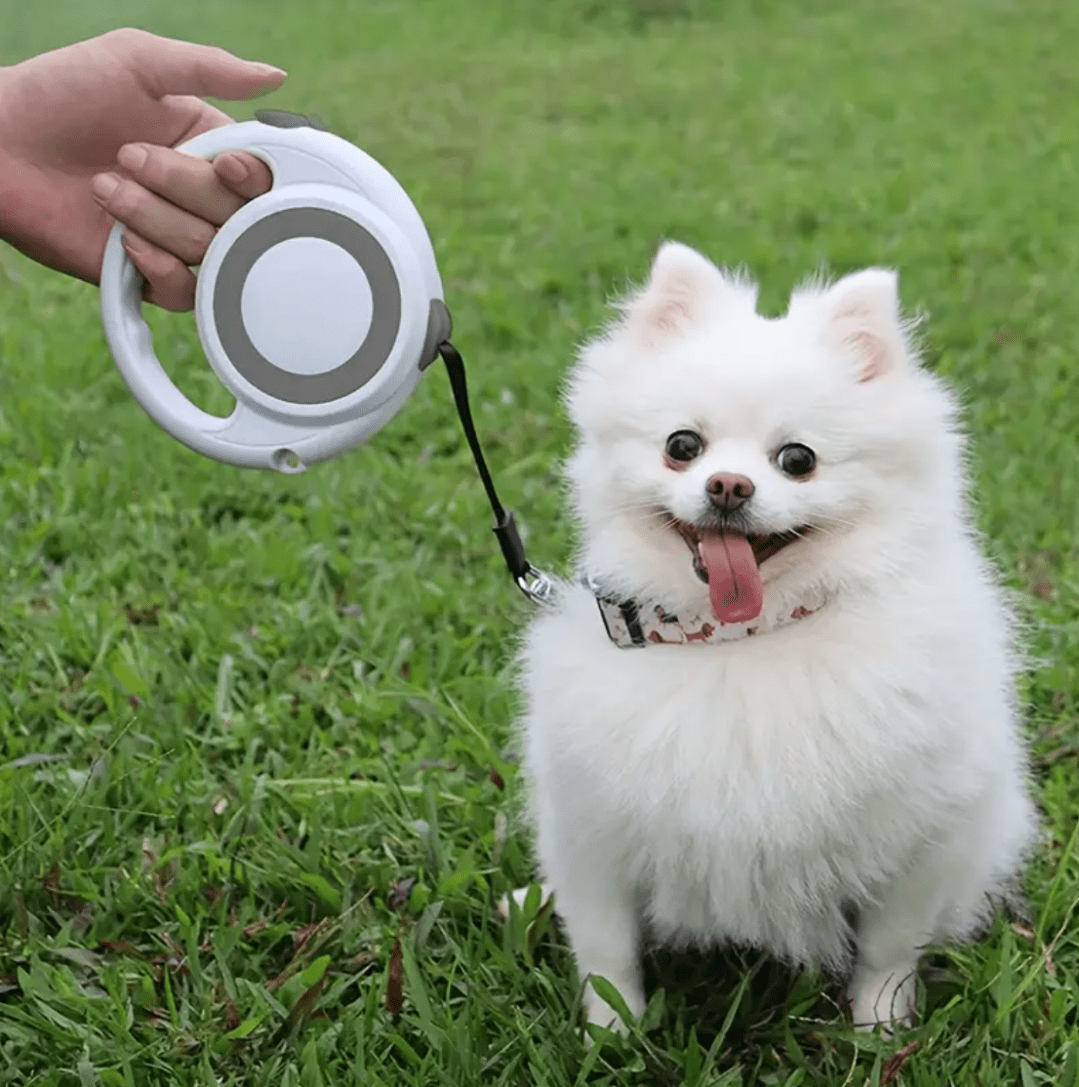
Retractable dog leads blamed for rise in serious brain injuries

They suggested that a traditional, shorter lead is safer after a study found a link between traumatic brain injuries (TBI) and walking a dog.

Brain injuries were the second most common form of injury to occur when walking a leashed dog, with broken fingers the only injury that was more likely.

A US study looked at hospital records of 422,000 people who obtained an injury walking a dog between 2001 and 2020. They found that injuries increased four-fold over that time period, while three in four of those hurt while dog walking were women. Half of all patients were 40 to 64-years-old and the average age was 53.

“The three most common injuries were finger fracture, TBI and shoulder sprain/strain,” wrote the study’s authors, from Johns Hopkins University.

Finger breaks twice as likely over 65

Almost 7 per cent of hospital visits for dog walking injuries were for finger fractures, which often occur when the lead wraps around the fingers or the hand gets trapped.

Traumatic brain injuries, often caused by falling or slipping over when the dog bolts or pulls, accounted for 5.6 per cent of injuries.

Shoulder sprains or strains made up 5.1 per cent of injuries in the study.

Finger breaks were twice as likely in over-65s, data show, and 50 per cent more likely in women. The risk of a TBI was also 60 per cent higher in over-65s.

“Dog walking is associated with a considerable and rising injury burden,” stated the report, published in the Medicine & Science in Sports & Exercise journal.

“Dog owners should be informed of this injury potential and advised on risk-reduction strategies.”

Risk-reduction advice

Dr Dana Varble, chief veterinary officer at the North American Veterinary Community, told The Telegraph that walking dogs is good exercise for both human and animal but does come with some hazards.

“Leads (leashes) can be tripping hazards for both people and pets. Generally for most pets, shorter leads, no more than two metres in length, are recommended,” Dr Vable said.

“Longer leads and retractable leads can get wrapped around street signs, feet, and legs of both people and animals.”

Retractable leads have caused injuries not only to dog owners, but also to the dogs themselves, she added.

“For that reason, they are never recommended,” Dr Varble said. “Shorter leads allow you to read your dog and react to their body language to prevent bolts and starts that can lead to injuries.”

— Read on www.telegraph.co.uk/news/2023/04/29/retractable-dog-leads-traumatic-brain-injuries/

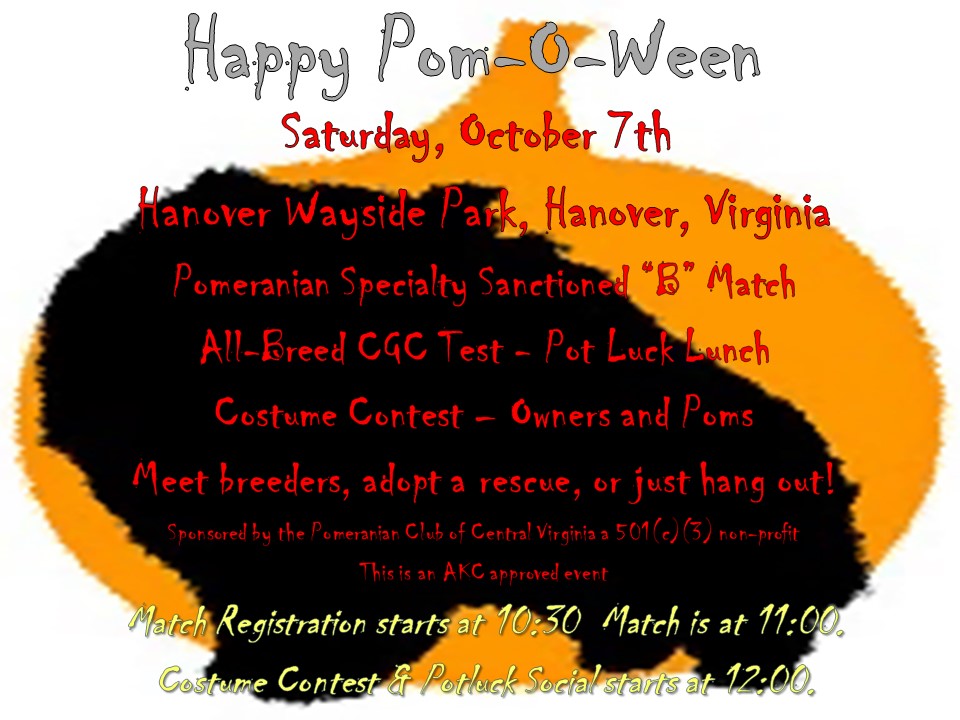
Pom-O-Ween Specialty and Costume Contest Oct. 5

Come join us for Pomeranian Specialty Sanctioned “B” Match Potluck and Costume Contest on Saturday, October 5 at Hanover Wayside Park (click for directions) in Hanover/Mechanicsville, Virgina. We will be in shelter #2 complete with many picnic tables and electrical outlets. There is plenty of space to set up your grooming station and electrical outlets are available.

Check-in starts at 10:00 with the match starting at 11:00. Registration is $10.00 per Pom. The costume contest will take place after the match, owners are welcome to join their Poms dressing up.

Please feel free to bring something for the potluck (not required) and join us for lunch and talk to breeders and handlers about Pomeranians or just hang out.

If you have any questions, please feel free to post them in the event discussion on our Facebook page by clicking here: Happy Pom-O-Ween 2024

Specialty Match, May 11, Hampton

Chicken Nugget?

We’re Poms

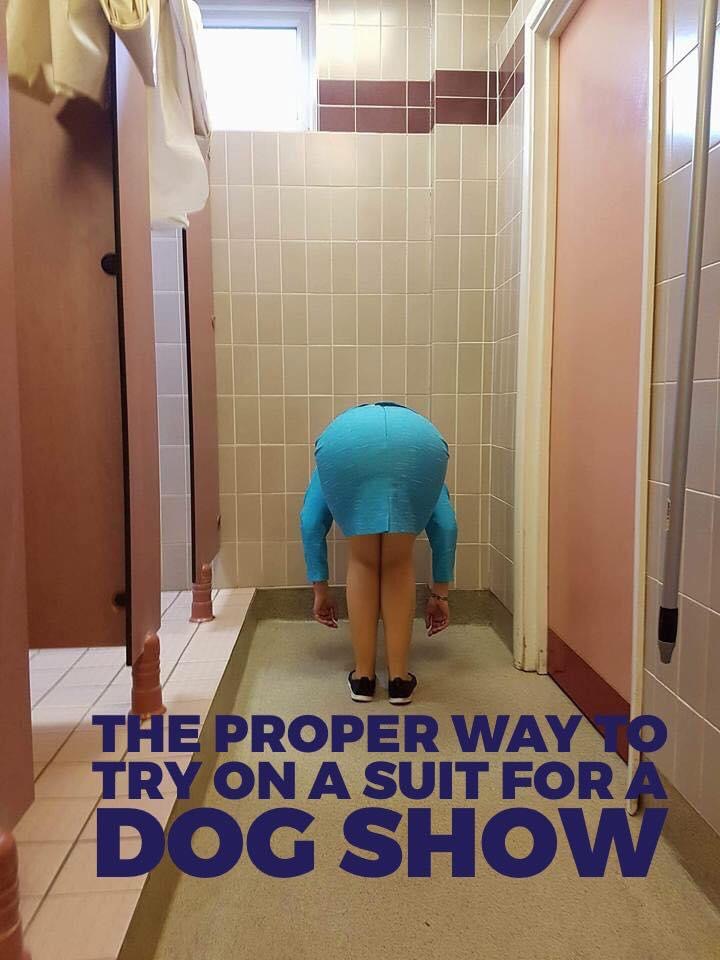
Proper Dog Show Suit

It’s beginning to look a lot like Xmas

www.instagram.com/reel/C0PoTqbiFFz/

Gobble Gobble!

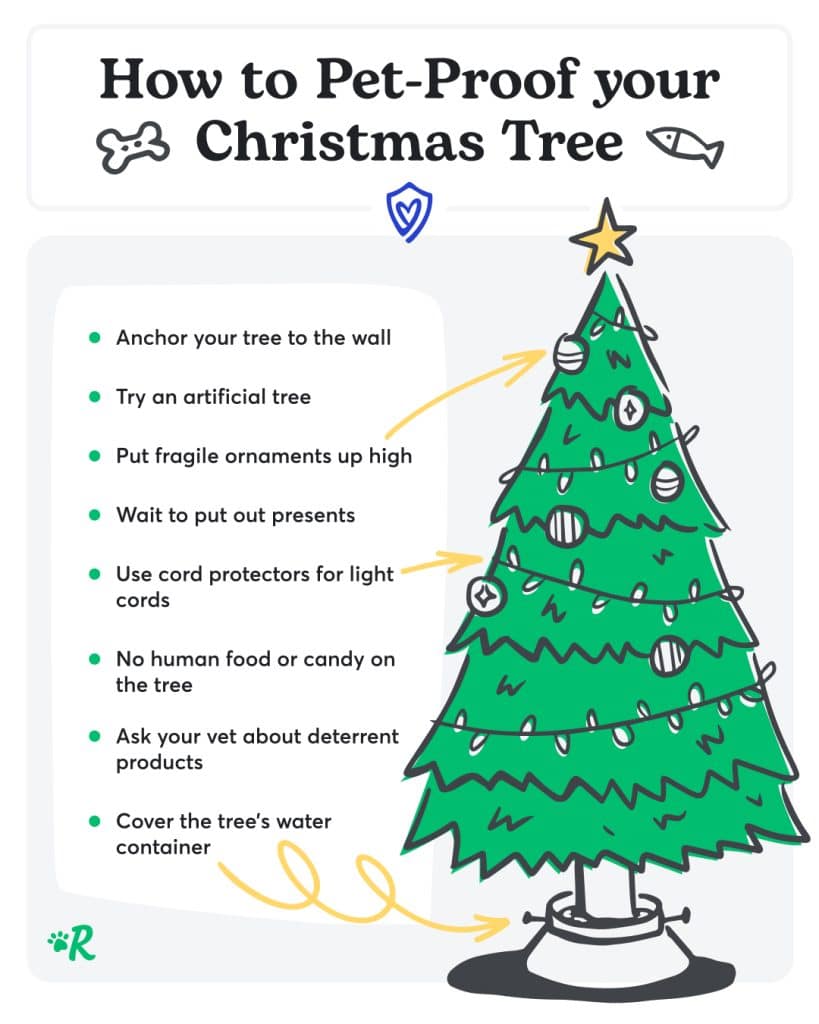
Dog Proof Christmas Tree | 8 Tips to Dog-Proof a Christmas Tree

Nothing makes a cuter holiday picture than your dog posed in front of the Christmas tree. But dogs and Christmas trees aren’t always the perfect mix. Trees decorated with breakable ornaments and electric lights pose hazards to dogs, and curious dogs can be severely injured if they knock over the tree (not to mention your poor tree)!Don’t worry: you can still have a Christmas tree! You just need to take some precautions. Read on to learn how to keep your dog safe around the Christmas tree (and vice versa).

Source: Dog Proof Christmas Tree | 8 Tips to Dog-Proof a Christmas Tree

Specialty Nov 1-5

Pom-O-Ween 2023

Click here to open directions in Google Maps

www.facebook.com/1431917650440936/posts/2310430855922940/

National Onion Day!

Today is National Onion Day!

All members of the onion family are toxic to dogs—onions, garlic, shallots, scallions and chives.

All parts of the plant are toxic to dogs and cats, the leaves, juice and bulbs. All forms are toxic—raw cooked, dried or powdered. Dried and powdered onion and garlic appear in many prepared human foods. Read labels carefully before offering prepared human foods to dogs and cats as powdered onions are even more toxic than fresh.

Even if a food only contains a very small amount, toxicity can occur if eaten over a long period of time. Onions and their relatives are more toxic to cats than to dogs, so use these ingredients with care around cats and be especially careful when offering table foods to cats.

Plants in the onion family contain a toxin called N-propyl disulfide, which causes a breakdown of red blood cells, which leads to anemia. The toxin can damage red blood cells to the point where the body believes that they are invaders, causing the body to destroy its own red blood cells, which is a serious condition known as hemolytic anemia.

Signs of onion toxicity include weakness, decreased appetite, pale gums, fainting, reddish urine, vomiting, panting and an elevated heart rate.

Foods containing onion and garlic are often very attractive to pets. If you know your pet has consumed onions, they should be seen immediately.

Enjoy your onion rings on National Onion Day—just don’t share them with your pets!

No photo description available.

Humor