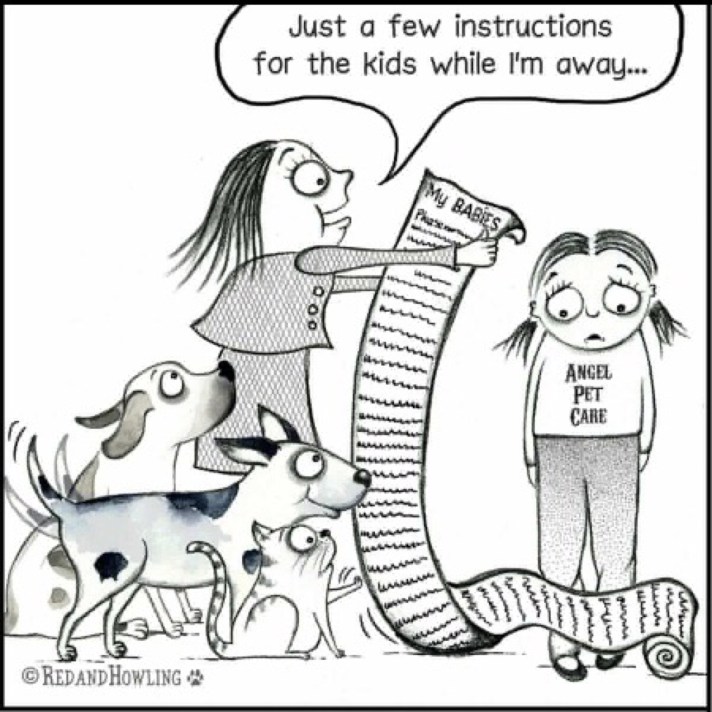
Dog sitting drama!

Need for can covers and treats! Cleaning supplies always needed.

One of our foster moms has requested some can covers and grain free treats that all of our rescues seem to love and tolerate well no matter how sensitive their tummies! Rescues are just like kids, you find something that works and stick with it!

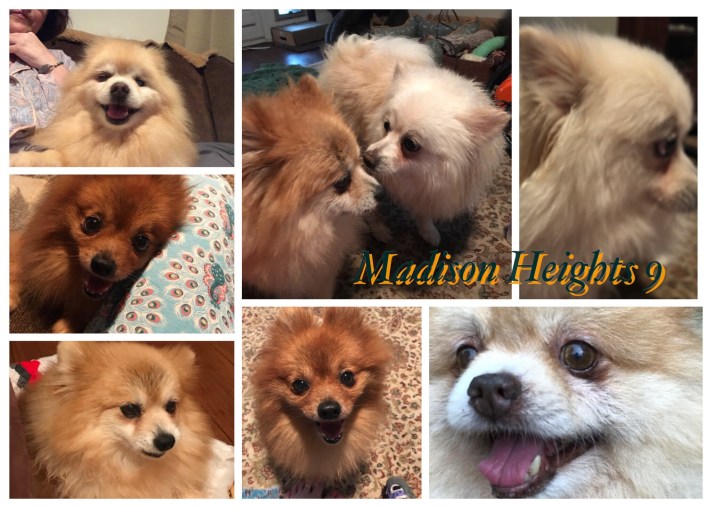
We have added the items to our Amazon Wish List! We still have 8 of the Poms rescued in May avail and we also have a Miniature Pinscher.

Click here for our wish list!  http://a.co/hgGu4W0


Full House(s) of Rescues

We have a full house! Or should I say “houses”! 6 foster homes have been involved with this “puppy mill” rescue. Favors have been called in! 3 girls have been adopted but we still have 1 girl and 6 BOYS looking for homes!

Everyone has needed vet care, dentals, neuters and spays. They are mostly seniors so the adoption fees will not cover all the vet bills.

If you can, please consider making a donation to help with their care using the “Donate Now” button on our Home page.

Happy Mother’s Day!

Bandit & Rascal – Arriving May 17

Bandit Rascal

8 Pro Tips for Taking Incredible Pictures of Your Pets

via 8 Pro Tips for Taking Incredible Pictures of Your Pets | Mental Floss

Why Are There Hold Deposits $

This is a little lengthy, but I hope it sheds some light on why we sometimes do things the way we do…

I recently was involved in a discussion where someone felt a puppy had been “sold out from under them” because they were still deciding.  While I primarily am only involved in rescue transactions which are a little more slow paced,  recently I helped a breeder by listing 8 of her retirees and “brokering” their adoptions to get her numbers down as she is overwhelmed.  This is based on my my experience:

my_pomeranian_stealing_my_cash_by_xxdelilahxxxcharmxx-d4dgcywIt gets very frustrating when you write out a detailed, yet concise description about a Pom only to be inundated with questions from a dozen or more people and only one or two of those people have questions that were not in your bio to begin with.  So now I am answering comments, some of them rather nasty, and in conversations with say half of the initial 12 that asked questions.

Of the 6 respondents I’m now in conversations with;

1 of them proceeds to tell me their life story and about every Pom they’ve ever owned, over the last 30 years,  but they aren’t ready for another one right now,

1 tells me how the Pom in the picture Iooks just like the one that died last year and spends an hour telling me about that Poms battle with cancer,

1 keeps me on the phone for a half an hour before she mentions that she is in California and asks if we deliver the dog from Virginia as part of the price;

We are now down to 3 interested families

Continue reading “Why Are There Hold Deposits $”

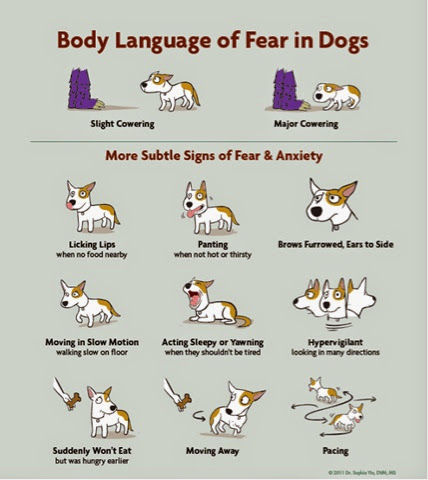
Body Language of Fear in Dogs


4 Surprisingly Durable Dog Toys

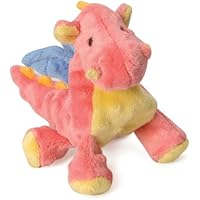
goDog Dragon With Chew Guard Technology Tough Plush Dog Toy, Coral, Small

via 4  S urprisingly Durable Dog Toys That Might Actually Survive The Grip Of Your Destructive Pup

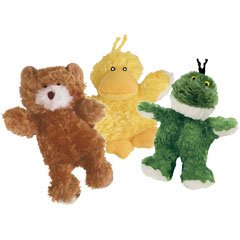
For our dogs, experience has shown us that GoDog Chew Guard and Kong Low Stuffing work the best!  GoDog’s are next to impossible for them to tear up even after multiple washing’s and the Kong’s have replaceable squeakers.  We keep both on our Amazon Wish List for our rescue.

Kong Low Stuffing with Squaker Dog Toy Size:XSmall Type:9 animals

//ws-na.amazon-adsystem.com/widgets/q?ServiceVersion=20070822&OneJS=1&Operation=GetAdHtml&MarketPlace=US&source=ac&ref=tf_til&ad_type=product_link&tracking_id=pomeranianclu-20&marketplace=amazon&region=US&placement=B00GOLQCX8&asins=B00GOLQCX8&linkId=d364931adb7306b01ec84f86b7b51db1&show_border=false&link_opens_in_new_window=false&price_color=333333&title_color=0066C0&bg_color=FFFFFF


Basics of Alopecia X

WHAT IS ALOPECIA X?
While there are various types of alopecia, each having various causes, alopecia X differs in several ways from the other types of the hair cycle abnormalities which have been found and treated in the canine body.  Alopecia X is known by a number of other names or terms but all of them describe a “hair cycle arrest” for which the exact cause has escaped scientific identification. Alopecia X is a term given by many veterinary dermatology professionals to describe a “hair cycle abnormality” which is known to affect predominantly Nordic breeds, Pomeranians, Toy and Miniature Poodles.

SYMPTOMS OF ALOPECIA X IN DOGS
As noted above, there are a variety of types of alopecia in dogs and the symptoms are similar in that there is hair loss for various reasons in various regions of the canine body.  Here are some symptoms which may be noted if the animal is afflicted with alopecia X:
Gradual or spontaneous symmetrical hair loss generally over trunk and rear thighs
Hair loss is generally followed by a “wooly” growth of coat (dull and dry in appearance)  Sometimes skin may become hyperpigmented

CAUSES OF ALOPECIA X IN DOGS
While there are no systemic signs for this particular canine condition, there are also no specific causes found for it.  If your canine family member is not eating and drinking, or is doing so excessively (out of his ordinary pattern), appears depressed or is showing increases in liver and kidney testing values, it is likely that there is a systemic underlying cause for the hair loss and your vet will likely need to do additional testing to ascertain that underlying cause.  Here are some of those underlying systemic causes for the hair loss which will need to be eliminated to get a more firm diagnosis:
Hypothyroidism
Cushing’s Syndrome
Cyclic flank alopecia
Pattern baldness
Post-clipping alopecia
Telogen defluxion

These diseases and conditions can, since they are systemic in nature, affect your canine in ways beyond just the skin condition.  If any of them are found to be the cause of the hair loss afflicting your pet, your vet will treat accordingly.

DIAGNOSIS OF ALOPECIA X IN DOGS Diagnosis of the cause for the hair loss or alopecia in your doggy family member will be a process of elimination as there is no specific testing process known at this time to confirm an alopecia X diagnosis as there are for other diseases and conditions in the canine species.  Your veterinary professional will need a complete history from you which will likely need to include many areas of your pet’s lifestyle, like dietary regimen, elimination habits, unusual behaviors noted, the duration of those unusual behaviors, and was hair loss gradual or spontaneous.  Your vet will do a physical examination and will likely order at least a comprehensive blood chemistry panel (CBC) to see if any normal blood component values are out of line.  If he suspects an endocrine issue, there will likely be additional testing needed to clarify or eliminate diabetes, thyroid issues and Cushing’s Syndrome.  He may collect samples of scrapings from the affected areas for microscopic evaluation or even collect other fluid and excrement samples (urine and feces) for laboratory evaluation.  Once he has collected the results of the testing he has ordered, he will likely have been able to eliminate some of the endocrine-related maladies and he will have a better idea for treatment options.

TREATMENT OF ALOPECIA X IN DOGS Treatment of alopecia X in your canine family member will be dependent upon what the vet feels is the primary cause or contributing factor(s) of the initial hair loss.  The treatment options listed below may evolve into a process of trial and error in an effort to treat your pet:

Castration-responsive alopecia (if true to its name) will likely require a period of time to allow the hair to regrow following the neutering of males or spaying of females – this may take several months – additional treatment may follow if regrowth doesn’t occur
Growth hormones administration if that is suspected cause Oral melatonin (over the counter) – don’t begin this on your own unless advised by your vet Drugs which change the adrenal gland production of cortisol and sex hormones These treatments, as you can see, may not necessarily be a “cure all” for alopecia X nor they are a “one size fits” all treatment for all dogs suffering from alopecia.  These treatments may allow the hair cycle to start again but, for alopecia X sufferers, the cycle will resume for one cycle only.  This means that your pet will lose his hair again and it can happen as quickly as one month later or as long as 3 to 5 years later.

RECOVERY OF ALOPECIA X IN DOGS If your veterinary professional cannot find a specific cause or contributing factor for the alopecia in your pet, for example, endocrine disorder, bacterial or fungal infections, and immune disorders, then it is likely that this condition will continue to repeat its cycle throughout the remainder of your canine family member’s life.  It might be a good idea to get used to the idea that extra precautions are needed when your pet is outside. Make use of doggy t-shirts and sweaters. With the hair loss, the skin of your doggy family member is exposed to the elements and will need some protection when outside.  If your pet is otherwise healthy, the prognosis is good for your pet who is afflicted with alopecia X.
 

Happy Valentine’s Day

image_539894307160526

3 Things All Pomeranian Owners Should Know

via 3 Things All Pomeranian Owners Should Know – iHeartDogs.com

#1 – That Coat Needs Grooming

The Pom coat is high maintenance. Frequent brushing is required to prevent mats. Owners also need to watch for skin issues that hide under all that fur, such as hot spots or dry skin. Pomeranians are prone to flaky skin, so it’s something that needs to be monitored. They should not be shaved except for medical reasons, as the Pomeranian coat is designed to regulate body temperature.

#2 – Fragile Bodies

While many Poms act like they are Great Danes, their tiny bodies are actually quite fragile. They are prone to issues such as luxating patellas and their tracheas are easily damaged. Jumping from the couch can cause broken limbs; jumping from your arms can be fatal. Harnesses are safer when walking than a collar. Owning a Pomeranian means taking extra care that he doesn’t get hurt.

#3 – They Need Socializing

Often described as having a Napoleon complex, Pomeranians can be very territorial. If they have not had training and proper socialization, your Pom will be a nuisance barker that feels it’s his duty to protect your home from anything that comes by, including the garbage man, friends, family or the neighbor’s cat.

Written by Kristina Lotz


10 Signs Your Dog Has a Yeast Infection

via 10 Signs Your Dog Has a Yeast Infection | petMD

Signs of Yeast Infections in Dogs

Changes in color and texture

Signs of a yeast infection can vary depending on the site of the infection. “The biggest sign is alteration in the appearance of the skin,” Marrinan says. A pink or red color is commonly seen in the early stages of infection. With chronic infection, the skin can become leathery, thick, and gray or black. Remember that yeast infections can occur in a number of places on your dog’s body if conditions are right, he notes.

Greasy skin

Excessively oily or greasy skin is another common symptom of a yeast infection in dogs, according to Loft.

Scaly skin

Some dogs with yeast infections develop crusting, scaling, or flakiness of the skin that can look a little like dandruff, says Dr. Jennifer Coates, veterinary advisor for petMD.

Head shaking

“The ears are far and away the most common location for a yeast infection,” Marrinan says. In such cases, you likely will notice your dog trying to relieve his discomfort by repeatedly shaking or tilting his head.

Scratching and rubbing

Your dog also might be quite itchy from the yeast infection. You may see him scratching the affected spot, rubbing up against furniture or another surface, or scooting along the floor, Marrinan says.

Licking

Some dogs might attempt to relieve itchy discomfort by incessantly licking the infected area, the doctors note.

Swelling and warmth

While redness and itching are the first signs of a yeast infection, symptoms can easily progress to swelling, warmth, and pain in the infected area, according to Marrinan.

Odor

Odor also is a common sign of a yeast infection, regardless of location, Loft says. “Some people claim the yeast-infected skin and ears smell like Cheetos or have a sweet smell, but this is typically not a reliable ‘test,’ as we often find certain bacterial infections can have a similar odor,” he says. “It is important to remember this can be seen with other infectious organisms beyond yeast, so diagnostic testing at the veterinarian’s office is required.”

Hair loss

Hair loss can accompany the yeast infection and associated inflammation, Loft says.

Drooling

A yeast infection in a dog’s mouth is extremely rare but can cause abnormal drooling, oral discomfort, and problems eating. Excessive drooling can also be a sign of other problems in the mouth, such as an abscessed tooth or bee sting, Marrinan says, so pet parents should take their dog to the vet to determine the cause.

Treating Yeast Infections in Dogs

The most important aspect of treating a yeast infection in dogs is identifying and addressing the underlying cause. This will make the risk of relapse less of a concern, Loft and Marrinan agree. For deep and generalized skin and paw/claw bed infections, veterinarians may prescribe oral antifungal medications such as ketoconazole, fluconazole, or terbinafine, Loft says. Ears can be treated topically with appropriate ear cleaners and medications, but severe ear infections may also require oral medications. Bathing the skin and fur with disinfecting and degreasing shampoos can also help, Marrinan adds. The best treatment regimen can be determined by a veterinarian familiar with the specifics of the dog’s case.

Welcome to German Spitz and Pomeranian Project

via German Spitz and Pomeranian Project

Pomeranian Project (formerly pomeranianproject.com) has reached its 10th year of providing you with as accurate and detailed an account of the history and development of the Pomeranian dog as possible.

Research will continue to carefully analyse original documents and other primary sources – so hopefully no ‘fake news’ here! In the near future some articles and information in both German and English will be added in order to better include our German speaking friends in this ongoing breed history project. Meanwhile please bear with us while some editing and re-arranging of format takes place.

Peanut Butter Coconut Oil Dog Treats for Dry, Itchy Skin and Shiny Coat

via Real Housewife of Richmond, VA: Peanut Butter Coconut Oil Dog Treats for Dry, Itchy Skin and Shiny Coat

PEANUT BUTTER COCONUT OIL DOG TREATS 
• 1 cup Peanut Butter, All Natural / Organic
• 1 cup Coconut Oil, Organic
• 1 tsp Cinnamon
• 1/2 cup Oatmeal, Optional
• 2 Tbsp Flax Seed, Optional
Preparation Steps
1. Microwave coconut oil to soften if needed.
2. Add in peanut butter, cinnamon and any optional ingredients then stir until mixture is well mixed. Note: mixture should be thick, but pourable.
3. Pour mixture into silicone ice cube trays and refrigerate or freeze until set.

Pop dog treats out and serve them to your pup! (Store in an air-tight container and keep in refrigerator.)

Notes
Yield: depends on size of ice cube trays

It improves overall skin and coat health (it moisturizes and reduces itchiness due to allergies or eczema), but it’s also been linked to preventing diabetes and heart disease.

*Start with about 1/4 dose of coconut oil and gradually increase over the course of several weeks so your pup can get acclimated if needed by decreasing coconut oil in recipe.