News

Evacuating With Your Fur Baby: 8 Steps Every Pet-Owner Needs To Know In Case Of Disaster

ANIMAL Evacuating With Your Fur Baby: 8 Steps Every Pet-Owner Needs To Know In Case Of Disaster

Storm season is upon us, which means that people all over the country are preparing their homes for hurricanes, tornadoes, floods, and more.

For many people, this means getting a “go-bag” ready, keeping your car stocked, and preparing just in case local authorities recommend evacuation.

If you’re in an area that requires evacuation a lot, you probably know exactly how to get yourself ready to go — but do you know how to prepare for evacuating with your pets?

Evacuating with pets is more complicated than just tossing them in the car and getting out of town.

Of course, taking your pet with you is the most important thing to do if a storm is imminent, but there are plenty of other things to do ahead of time if you think you might need to evacuate your home.

Evacuating can be overwhelming — both for people and for pets — so make the process as easy and painless as possible by following the tips below!

Pet Evacuation #1: ID Your Pet

id your pet

The CDC explains that because disasters can occur without warning, you should always be prepared.

One of the most important things you can do is make sure that your pets’ collars and tags are up-to-date.

Their tags should have your current contact information, just in case you get separated from your fur babies.

Additionally, you should microchip your pet — this is the best way to guarantee you’ll be reunited with your pets if they get lost.

Pet Evacuation #2: Snap A Current Photo

photograph pet

According to Ready.Gov, you should always have a current photo of your pet in order to identify them if necessary.

This won’t be a problem for most pet owners (as we take photos of our pets nonstop), but make sure you have one that doesn’t just capture how gosh darn cute they are, but also shows their defining features.

Pet Evacuation #3: Secure Your Pet

pet carrier

Before an emergency, purchase a pet carrier for each of your fur babies — then write your name and contact information, along with your pets’ names, on the carriers.

When you purchase the carrier, get your pet familiar with it, and practice transporting them in the carrier before an emergency. This will make them more comfortable with being inside the carrier during an evacuation situation.

You should also make sure you have extra leashes and harnesses to keep them safe while they’re outside.

Pet Evacuation #4: Identify Shelters

identify shelters

Not all shelters set up for humans are able to take pets, so if you plan to stay at a shelter when you evacuate, make sure you find one that is okay with pets.

The same goes for hotels — if you are going to stay in a hotel or motel during evacuation, find one that allows pets to stay as well.

Ready.Gov explains that although it should be a last resort, some animal shelters will provide temporary housing/foster care for pets that cannot be with their humans during times of evacuation.

Pet Evacuation #5: Coordinate A Backup Plan

backup plan

No matter what you are planning on doing with your pet when you evacuate — boarding them, leaving them at a shelter, or taking them with you — make sure you have a backup plan.

Talk to your friends, family, and neighbors about what they’re doing with their pets, and see if you can help one another out with evacuation.

In case of emergency situations, you may not be able to get home before evacuating — the ASPCArecommends having designated caregivers (who hopefully live nearby) who are comfortable with your pets and willing to care for them in a time of need.

Pet Evacuation #6: Separate Dogs And Cats

separate dogs and cats

Ready.Gov explains that pets can sense when something is wrong, and it may cause them serious stress and anxiety.

Even if your dogs and cats are normally fine together, the stress of the situation may cause them to act irrationally, especially if they are in confined spaces.

For this reason, separate your cats, dogs, and other pets when you’re evacuating (or anytime during an emergency situation).

Ideally, every animal should go in a separate crate or carrier until you can get them to a calm, safe place.

Pet Evacuation #7: Prepare A Pet Emergency Kit

pet emergency kit

Many people have human emergency kits and “go bags” with necessary items, but it’s important to have them for pets as well.

Pet emergency kits should include enough food and water for two weeks, food and water bowls, medical records and any medications, poop bags, kitty litter, and other clean-up items, and any comfort items your pet might need (like a bed, blanket, or toy).

Pet Evacuation #8: Get A Rescue Alert Sticker

rescue alert sticker

The ASPCA recommends that everyone have a rescue alert sticker near the front door of the house in case of any emergency. The sticker should include information on any pets that live in the house.

A rescue alert sticker can help in case there’s ever a fire or floor at your house so that first responders know to save your pets, but it can also be helpful during an evacuation situation.

If you have a rescue alert sticker and you evacuate your home, write “EVACUATED” on the sticker so that rescue workers know they don’t need to search your house for pets.

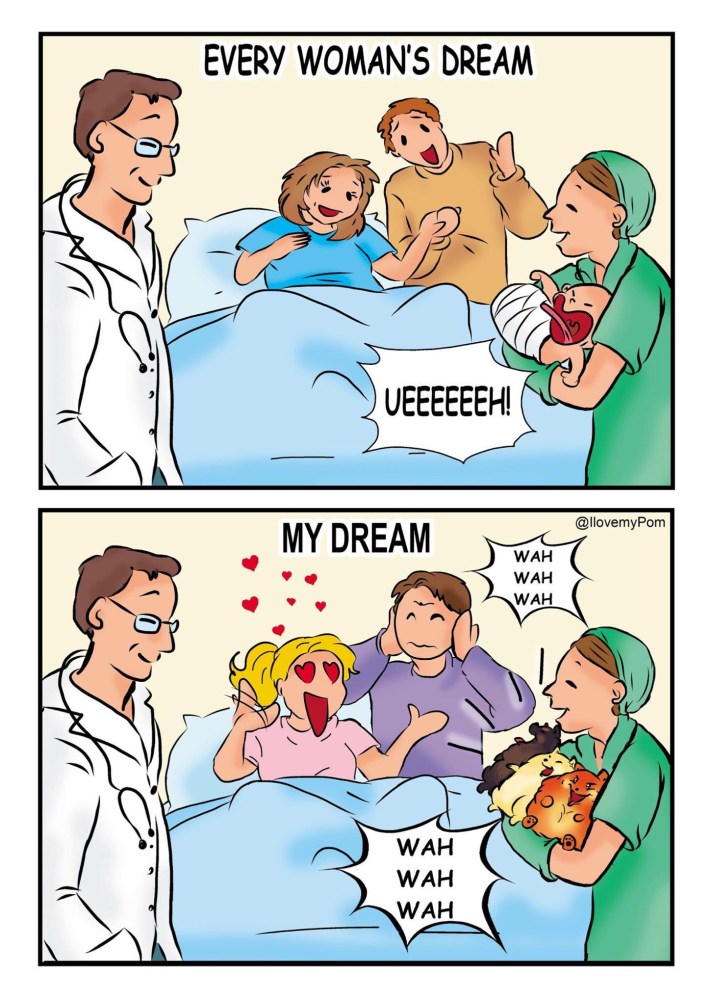
It’s a boy! And a girl and a boy!

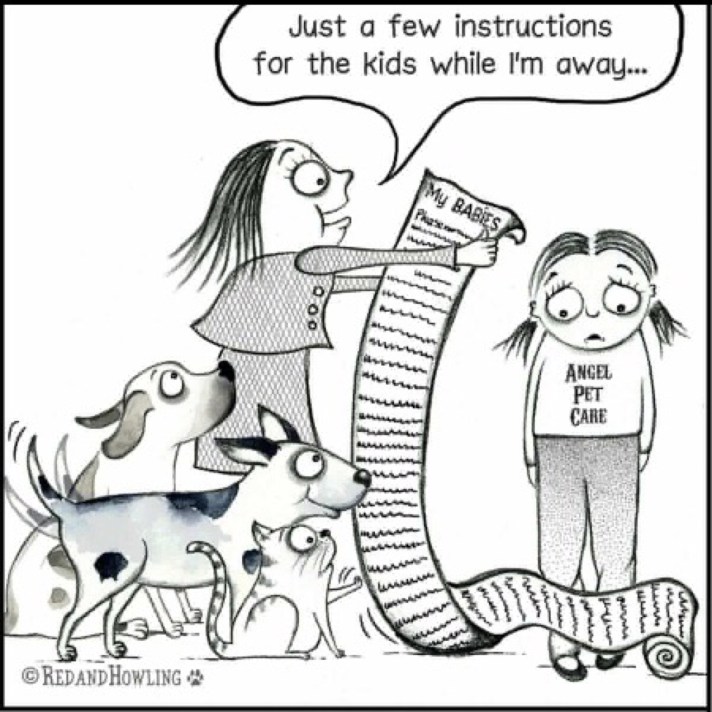
Dog sitting drama!

Understanding Double Coated Dogs

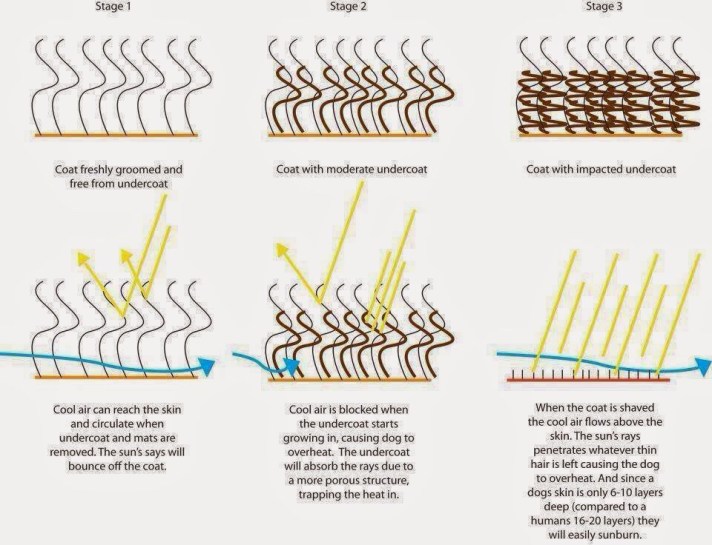
Double coated dogs refer to the animals that, like Huskies, have two layers of fur. The first, or undercoat, are the fine, fluffy hairs that are short and crimp (closest to the skin). It’s the fur that sheds; light and soft. This layer is excellent at trapping air and insulating the dog. Essentially it keeps them warm in the winter, and cool in the summer.

The topcoat is made up of tougher guard hairs that don’t shed, and protect your pet from the sun’s harmful rays and bug bites. It actually insulates them from the heat. What this means is: do not shave your double coated dog. It’s a mistake to think you’re helping your animal stay cool, particularly in summer, when evolution has provided them exactly what they need to survive. By stripping them of their natural ability to heat and cool themselves, you could be doing more harm than good.

A key piece of understanding in this matter is that, unlike humans; dogs do not cool themselves through their skin. At most, it is only the pads of their paws that sweat. Their main mode of cooling comes from panting.

Some other common reasons folks shave their doubled coated dogs are the thinking that the animal will stop shedding. Pooches with undercoats shed, no two ways about it. But even after a shave, while the hair may be shorter, it can still shed.

Another is, “it’ll always grow back”. Sometimes it will, other times it won’t. The older the pooch is, the less likely it is that the topcoat of guard hairs will grow back. This leaves them with the undercoat, giving them a patchy, scruffy look. It can alter their coat for the rest of the dog’s life.

Not only does it look bad, but you can end up having to shave the hair continuously from then on and once again, you strip them of their natural ability to protect themselves.

In conclusion, when you shave a double coated dog, you may irreparably impair their ability to properly heat/cool themselves and protect their skin. The best way to keep this kind of dog cool and comfortable is to regularly bathe and brush them. The only reason a person might need to shave their double coated dog is if the hair is so matted, it’s the only option.

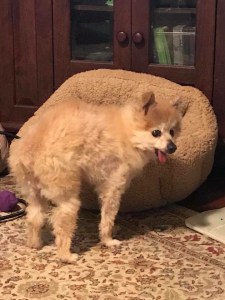
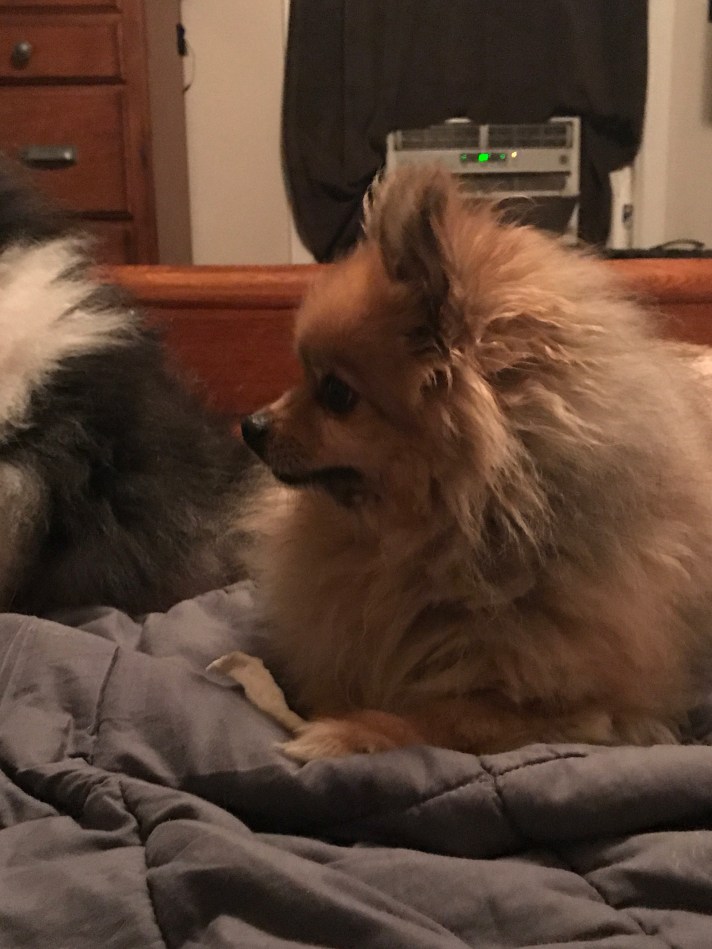
Bailey – one year after being shaved. This is all the growth that returned. He is brushed and poofed up here. His coat is patchy and his guard hairs are non-existent. He was only shaved once by necessity.

Bailey

Romeo was shaved a few times from ages 4-6. He is now 10 and has a wonderful coat.

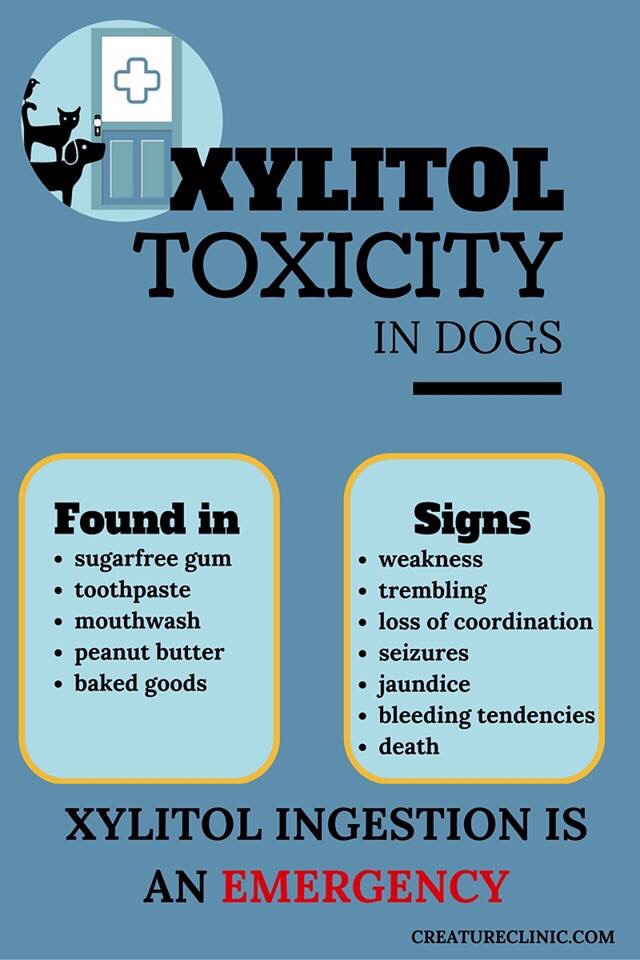
Xylitol Toxicity (Sugar Free Foods)

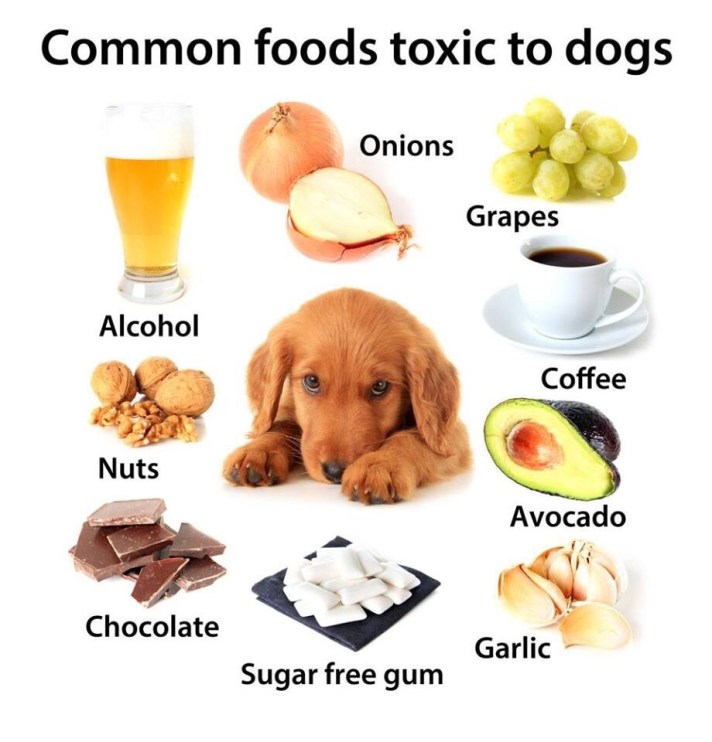
Common Foods Toxic to Dogs

Need for can covers and treats! Cleaning supplies always needed.

One of our foster moms has requested some can covers and grain free treats that all of our rescues seem to love and tolerate well no matter how sensitive their tummies! Rescues are just like kids, you find something that works and stick with it!

We have added the items to our Amazon Wish List! We still have 8 of the Poms rescued in May avail and we also have a Miniature Pinscher.

Click here for our wish list!  http://a.co/hgGu4W0


Top Ten Fourth of July Pet Safety Tips | petMD

10. Keep your Pet Indoors at All Times!

It may seem obvious, but even if your pet is used to being outside, the resulting panic caused by fireworks or other loud noises may make them break their restraint or jump a fence in a terrified attempt to find safety.

9. Don’t Put Insect Repellant on Your Pet that isn’t Specifically for Pet Use

The same tip applies to applying “people” sunscreen on your pet. What isn’t toxic to humans can be toxic to animals. The ASPCA lists the poisonous effects of sunscreen on your pet as, “…drooling, vomiting, diarrhea, excessive thirst and lethargy.” DEET, a common insecticide, may cause neurological issues.

8. Alcoholic Drinks Poison Pets

If your pet drinks alcohol, they can become dangerously intoxicated, go into a coma, or in severe cases, die from respiratory failure. Yes, even beer is toxic; fermented hops and ethanol are poisonous to dogs and cats.

7. Going to a Fireworks Display? Leave Your Pet at Home

The safest place for your pet is at home, not in a crowded, unfamiliar and noisy place. The combination of too many people and loud fireworks will make your beloved pet freak out and desperately seek shelter. Locking them in the car is also not an option; your pet may suffer brain damage and heat stroke.

6. Have Your Pet Properly Identified

If your pet manages to break loose and become lost, without proper identification it will be that much harder to get them back. Consider fitting your pet with microchip identification, ID tags with their name and your phone number, or both. It is also a good idea to have a recent picture of your pets in case you have to put up signs.

5. Keep Your Pet Away from Glow Jewelry

It might look cute, but your pet could chew up and swallow the plastic adornments. The ASPCA states that while not highly toxic, “excessive drooling and gastrointestinal irritation could still result from ingestions, and intestinal blockage could occur from swallowing large pieces of the plastic containers.”

4. NEVER Use Fireworks Around Pets

While lit fireworks can pose a danger to curious pets and potentially result in severe burns and/or trauma to the face and paws, even unused fireworks can be hazardous. Some fireworks contain potentially toxic substances such as arsenic, potassium nitrate, and other heavy metals.

3. Don’t Give Your Pet “Table Food”

If you are having a backyard barbeque, you may be tempted to slip some snacks to your pet. But like beer and chocolate, there are other festive foods that could harm your pet. Onions, coffee, avocado, grapes & raisins, salt and yeast dough are all possible hazards for dogs and cats.

2. Lighter Fluid and Matches Are Harmful to Pets.

The ASPCA lists chlorates as a harmful chemical substance found in some matches that, if ingested, can cause your pet difficulty in breathing, damage blood cells or even cause kidney disease. If exposed to lighter fluid, your pet may sustain skin irritation on contact, respiratory problems if inhaled, and gastric problems if ingested.

1. Citronella Insect Control Products Harm Pets, Too.

Oils, candles, insect coils and other citronella-based repellants are irritating toxins to pets, according to the ASPCA. The result of inhalation can cause severe respiratory illnesses such as pneumonia, and ingestion can harm your pet’s nervous system.

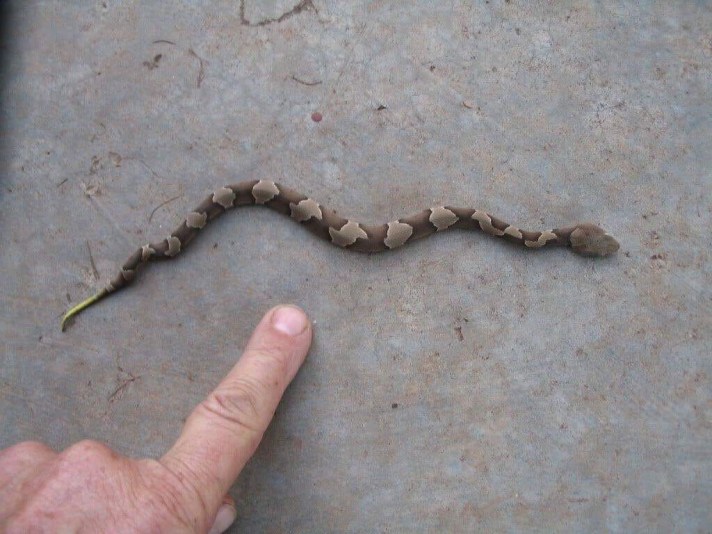
via Top Ten Fourth of July Pet Safety Tips | petMD

Keep Your Pommies Safe

”Keep

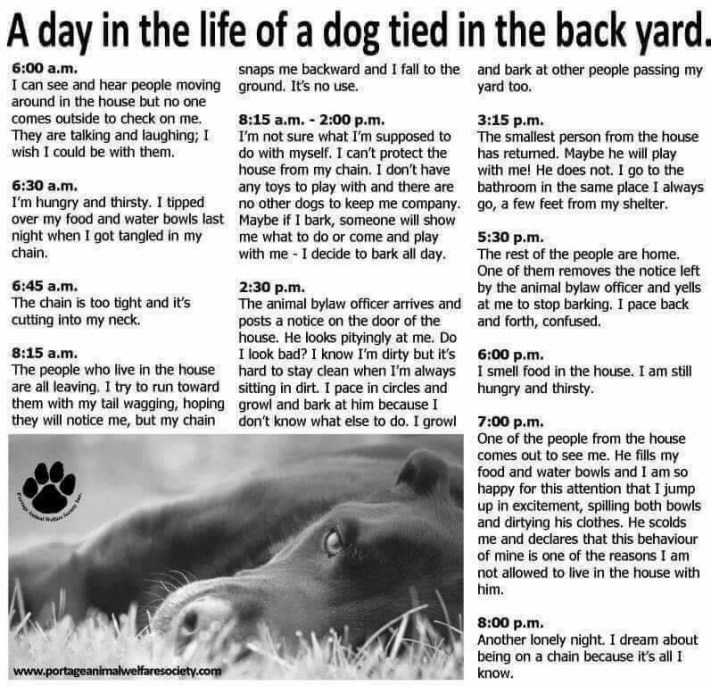
This actually gave me chest pains my heart hurt so bad!

Pet Feeding Reminder Gadgets

Interesting little gadgets…

71rbz9xKOCL._SL1500_910vj9BrpgL._SL1500_


Dog Food Reminder on Amazon

Pet Feeding Reminder on Amazon

Donations Needed!

Yikes! Here’s today’s vet bill! I’m afraid we are going to have to curtail our rescue activities until we can pay this off. We still have 2 more dogs from the Madison Heights 9 to get neutered and have a dental.

Check out our shop on our Facebook page for Pomeranian and Rescue themed jewelry! All proceeds go to support our rescues.

You can also donate via Paypal.me/pomeranian or Venmo (Click Here)

Every $1.00 is appreciated!!

Our vet is Hilliard Road Veterinary Hospital, 3008 Hilliard Rd, Richmond, VA 23228 if you would rather make donations directly to them on our behalf.  They will also take credit cards over the phone.

QR Code
Use your phones camera to scan the QR code to make a donation!!

Capture

Full House(s) of Rescues

We have a full house! Or should I say “houses”! 6 foster homes have been involved with this “puppy mill” rescue. Favors have been called in! 3 girls have been adopted but we still have 1 girl and 6 BOYS looking for homes!

Everyone has needed vet care, dentals, neuters and spays. They are mostly seniors so the adoption fees will not cover all the vet bills.

If you can, please consider making a donation to help with their care using the “Donate Now” button on our Home page.

Fostering – An Essay from a Foster Mom

s4002nsopopbwyr4I’ll be the first to admit that fostering is hard. In my experience, the first is super hard because you’re just figuring out how to love another being, but still let them go. That was Frisco, now Cody. Then I had Mickey. He was a little fussy and dad babysat most of the time i had him so it was easier.

Then came Ashton. Ashton was my potato. I loved that little guy with all of me. He needed me and I gave him all of me. It was one if the hardest things I’ve ever done.

Wade and Johnny came next. They were a different sort, I knew they would be adopted quickly so I was able to stay detached, but still care for them.

Jasper… He is quirky and a pain, in the best way. I missed him when I came home and didn’t see his head pop up in the window, but he was young and energetic and I have no doubt he will be cared for.

Now… Bandit and Rascal. I love them. I am connected to them and I think they love me, based on their wiggly butts when I come home. I am in love with Bandit and Rascal and if I didn’t have a rescue minded heart, I would keep them.

If I did that though, my heart and house would be above capacity. I wouldn’t be able to help anyone else.

The most important thing when fostering is knowing what is really best for them.

Maybe it is you and that’s awesome! Maybe you just think it’s you and if you really consider it, you’ll realize that even though you love this tiny being to infinity and beyond… you know there is someone else who could love them just as much as you do, while you keep room for the next pup who needs you.