News

What Retirement Looks Like

Reverse sneeze or Collapsed Trachea?

What is this horking, harfing, hocking mess? Hairball? 

Reverse sneezing in dogs can be alarming if you’ve never experienced it before. But, luckily, it’s not quite as scary as it sounds.

Reverse sneezing occurs primarily in dogs and much less frequently in cats. Here’s what you need to know about reverse dog sneezing and what you can do to help stop it.

What Is Reverse Sneezing in Dogs?

Reverse sneezing, or an inward sneeze, is a sudden, involuntary respiratory reflex. It occurs when a dog’s soft palate (the soft part on the roof of the mouth that separates the nasal passage from the oral cavity) becomes irritated.
This irritation causes the soft palate muscles to spasm, resulting in a temporary narrowing of the trachea. The dog extends his neck as he expands his chest to breath, but the narrowed trachea makes it difficult for the dog to fully inhale like normal. The dog then repeatedly attempts to inhale through his nose, which results in a snorting noise. 

Why Do Dogs Reverse Sneeze?

Dogs most commonly reverse sneeze to expel an irritant from the soft palate or throat. This is similar to how dogs sneeze to remove irritants from their noses. Anything that irritates the soft palate can lead to a reverse sneezing episode, including a blade of grass, pollen, or dirt.

Other causes of soft palate irritation that may result in reverse sneezing include the following:

  • Allergies

  • Household products (perfume, cleaning products, air fresheners)

  • Pulling on the leash while attached to a collar

  • Overexcitement 

  • Exercise intolerance

  • Objects in the throat (such as a foreign body or a mass)

  • Nasal mites

  • Elongated soft palate (common in brachycephalic breeds)

  • Eating or drinking

What Does Reverse Sneezing in Dogs Sound Like?

Reverse sneezing in dogs sounds like the dog is actually inhaling their sneezes, hence the name “reverse sneezing.” It’s a loud, snorting sound that can sometimes sound like a goose honking or be confused with the dog choking.

https://www.petmd.com/dog/general-health/reverse-sneezing-in-dogs

Pomeranian Dog Breed Information

Pomeranian Dog Breed Information

General Information:

Average Height: 5 -11 in
Average Weight: 3 -7 lbs
Average Life Span: 12 -16 yrs
Coloring: Nearly any color and color combinations accepted; single, bi- or tri- colors of black, white, sable, orange, cream, apricot, blue. Can be brindle or spotted.
Area of Origin: Germany and Poland; Baltic Sea region of Pomerania
Similar Breeds: Keeshond, American Eskimo Dog, Finnish Spitz

History and Origin:

The Pomeranian is a descendent of the Icelandic and Lapland (a northern region of Scandinavia and Russia) sled dogs along with its close cousin, the Keeshond. Before popularity in England caused it to be bred down in size, the Pomeranian was an able sheep-herder, weighing up to thirty pounds. Queen Victoria, after receiving a Pomeranian from Italy, loved the breed so much that she wanted a small, companion-sized version, and initiated the breeding program that reduced the Pom’s size by up to twenty five pounds. The breed flourished in Britain once the queen showed interest in it, and it soon found its way into the hearts of North Americans; it was recognized by the American Kennel Club in 1888.

Personality and Temperament:

Active and intelligent, the Pomeranian is a loyal breed and extremely loving to its family. It is curious and bold; despite its size, it is an independent dog that will readily stand its ground against much larger animals. The Pomeranian is extremely spirited and alert, excelling in a watch dog position.

Susceptible to Small Dog Syndrome, the Pomeranian needs to be treated as a dog, not a small human, so that it will not try to become the alpha dog of the family. Its friendly nature makes it a good companion for children who are aware of its small size. Suitable for a nervous or first-time owner, the Pomeranian nevertheless needs proper training and socialization to be the best little dog it can be.

Exercise & Training:

While a toy breed, the Pomeranian is an extremely active dog, excelling in agility. A daily walk or jog combined with ample play time will help keep the Pomeranian happy and stimulated, and will help prevent unwanted behavior issues. While it can be a bit yappy, the Pomeranian is suitable for a small home or apartment providing it receives ample exercise. It is an extremely alert and intelligent breed, easily able to pick up on commands quickly. Due to this train-ability, the Pomeranian has frequently been used as a performing dog in circuses.

Grooming:

Possessing a long, frizzy, double coat, the Pomeranian needs daily brushing to remove dead hair and prevent tangling. The undercoat sheds out once or twice a year (depending on the climate in which the Pomeranian lives), and a little extra grooming is ideal to help removed excess fur. Overall, the Pomeranian sheds quite excessively, and is not ideal for allergy sufferers.

Interesting Facts about the Pomeranian:

1. Only three dogs survived the sinking of the Titanic in 1912; two of the three were Pomeranians.

2. The Pomeranian is one of only a handful of breeds that have nearly any coat color; the American Kennel Club accepts 19 coat colorations.

3. President Theodore Roosevelt owned a Pomeranian named “Gem”.

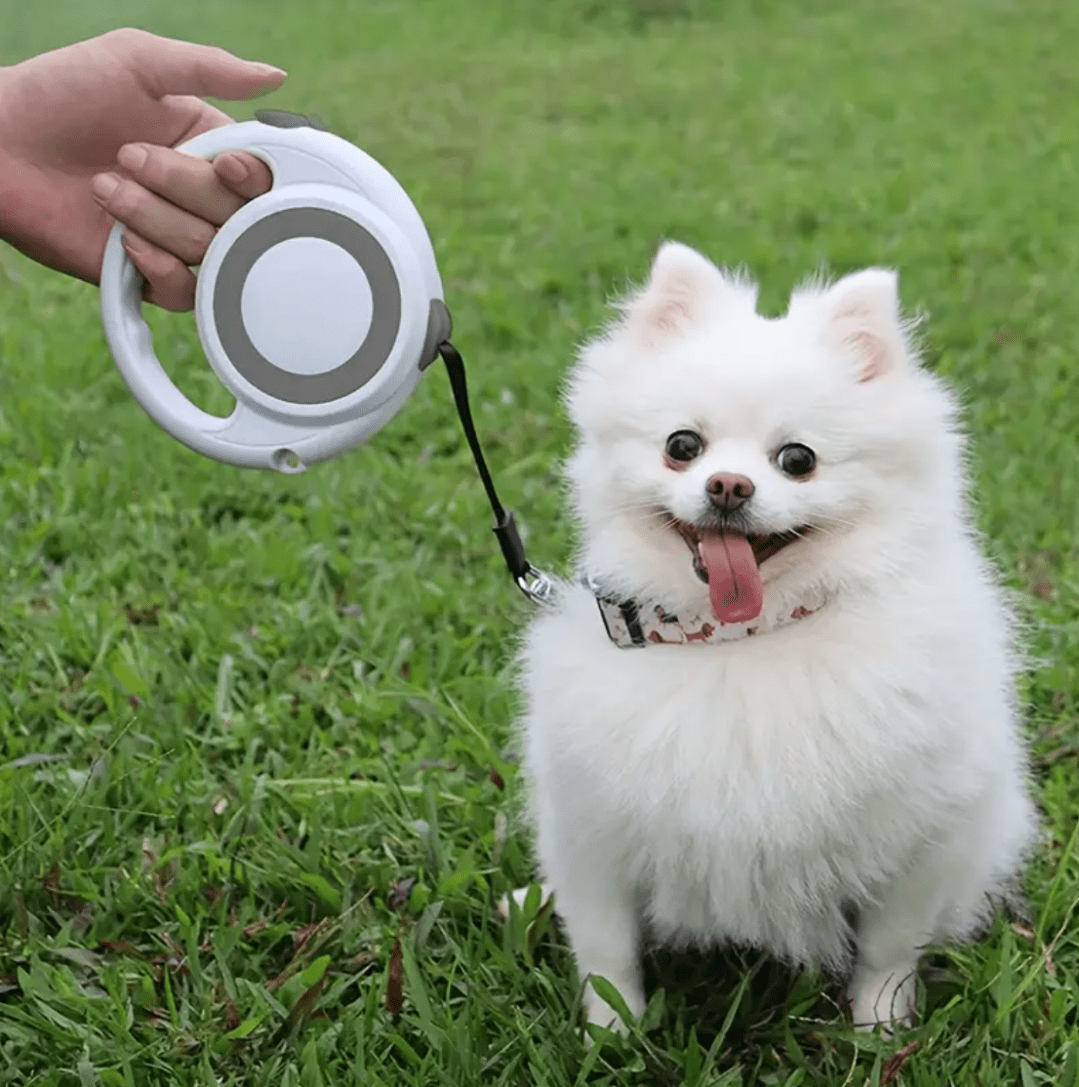
Retractable dog leads blamed for rise in serious brain injuries

They suggested that a traditional, shorter lead is safer after a study found a link between traumatic brain injuries (TBI) and walking a dog.

Brain injuries were the second most common form of injury to occur when walking a leashed dog, with broken fingers the only injury that was more likely.

A US study looked at hospital records of 422,000 people who obtained an injury walking a dog between 2001 and 2020. They found that injuries increased four-fold over that time period, while three in four of those hurt while dog walking were women. Half of all patients were 40 to 64-years-old and the average age was 53.

“The three most common injuries were finger fracture, TBI and shoulder sprain/strain,” wrote the study’s authors, from Johns Hopkins University.

Finger breaks twice as likely over 65

Almost 7 per cent of hospital visits for dog walking injuries were for finger fractures, which often occur when the lead wraps around the fingers or the hand gets trapped.

Traumatic brain injuries, often caused by falling or slipping over when the dog bolts or pulls, accounted for 5.6 per cent of injuries.

Shoulder sprains or strains made up 5.1 per cent of injuries in the study.

Finger breaks were twice as likely in over-65s, data show, and 50 per cent more likely in women. The risk of a TBI was also 60 per cent higher in over-65s.

“Dog walking is associated with a considerable and rising injury burden,” stated the report, published in the Medicine & Science in Sports & Exercise journal.

“Dog owners should be informed of this injury potential and advised on risk-reduction strategies.”

Risk-reduction advice

Dr Dana Varble, chief veterinary officer at the North American Veterinary Community, told The Telegraph that walking dogs is good exercise for both human and animal but does come with some hazards.

“Leads (leashes) can be tripping hazards for both people and pets. Generally for most pets, shorter leads, no more than two metres in length, are recommended,” Dr Vable said.

“Longer leads and retractable leads can get wrapped around street signs, feet, and legs of both people and animals.”

Retractable leads have caused injuries not only to dog owners, but also to the dogs themselves, she added.

“For that reason, they are never recommended,” Dr Varble said. “Shorter leads allow you to read your dog and react to their body language to prevent bolts and starts that can lead to injuries.”

— Read on www.telegraph.co.uk/news/2023/04/29/retractable-dog-leads-traumatic-brain-injuries/

ADOPTED – Bear (DOB 1/8/20)

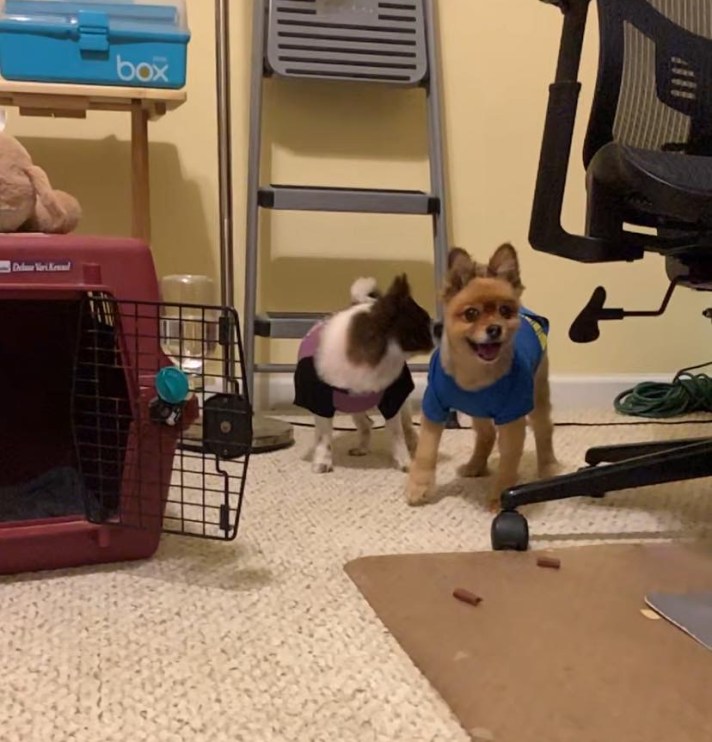
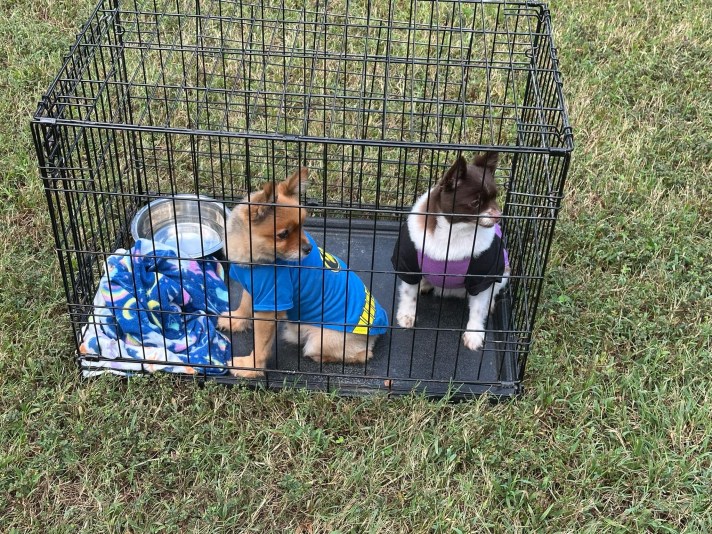
Bear is a very handsome, neutered, red sable Pom. He is very energetic and still has that puppy playfulness.  He goes crazy trying to get his sister to play with him, but she mostly ignores him. Please don’t hold his haircut against him, it is growing out!

He is quiet during the day while I’m working and stays in a bed by my desk.  He was confused hearing me on a conference call at first and kept barking because he couldn’t find the people talking in the house, but he’s ok now.

He is SUPER playful and has that puppy energy. He made friends quickly with another foster, Demi, and they get pretty rowdy wrestling each other. He is submissive and allowed Demi to be the alpha dog.

He can be sensitive about having the back of his neck touched until he knows you. He nipped us when trying to put a harness off/on.  We have been working with him on this and it seems to be a trust issue.  We don’t know if something happened to him in the past.  He got past it quickly and doesn’t do this to us anymore.

History

He is crate trained.

Bear was surrendered with his sister Truffles.  They were acquired during COVID and the son ended up being severely allergic.  They tried multiple treatments and methods, but just couldn’t get his allergies under control.  The family was devastated by having to make this agonizing decision.

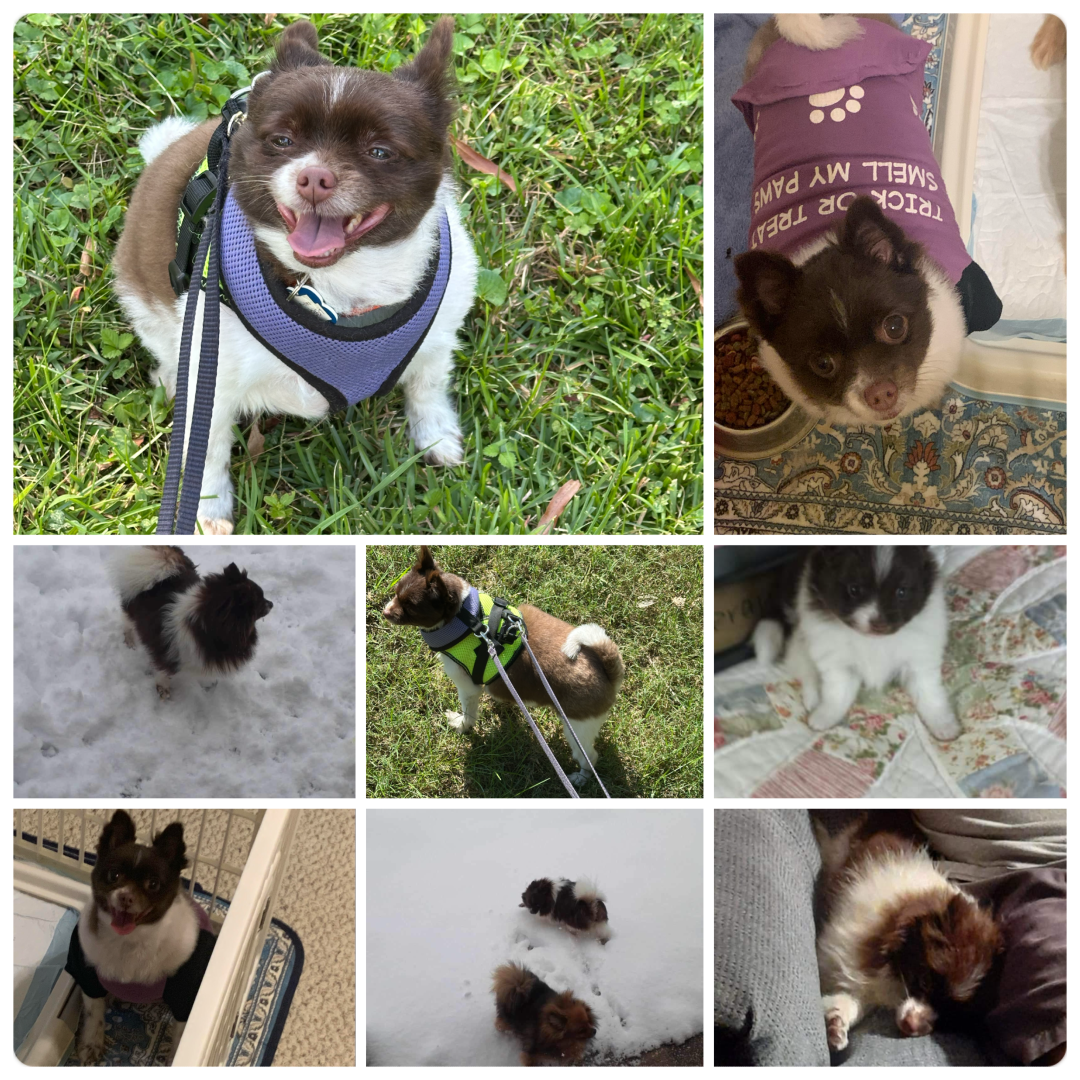
He was shaved down for summer, but it is growing back.  You can see in the pictures that he has a gorgeous coat when he is grown in.

What does she need?

Bear should be in a home without young children. His tendency to nip at fingers when surprised by a touch on the back of the neck isn’t good for tiny hands.  Especially since the back of the neck is where kids like to pet first.

His family should be a little active to help him work off some of his energy either with walks or rowdy play sessions.  He likes to cuddle, but doesn’t sit still for long.

We would love for brother and sister to be adopted together (a discounted adoption rate would apply). However, after evaluation, they are not a bonded pair and can be separated.

Adoption fee is $500.

ADOPTED – Truffles (DOB 4/20/20)

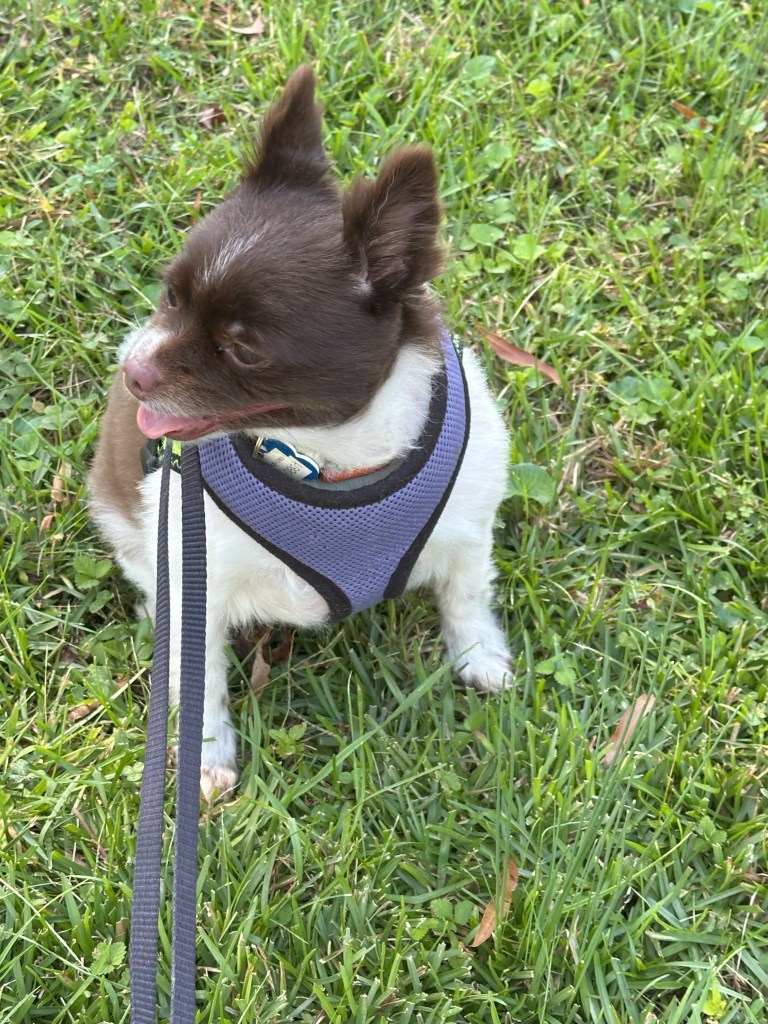
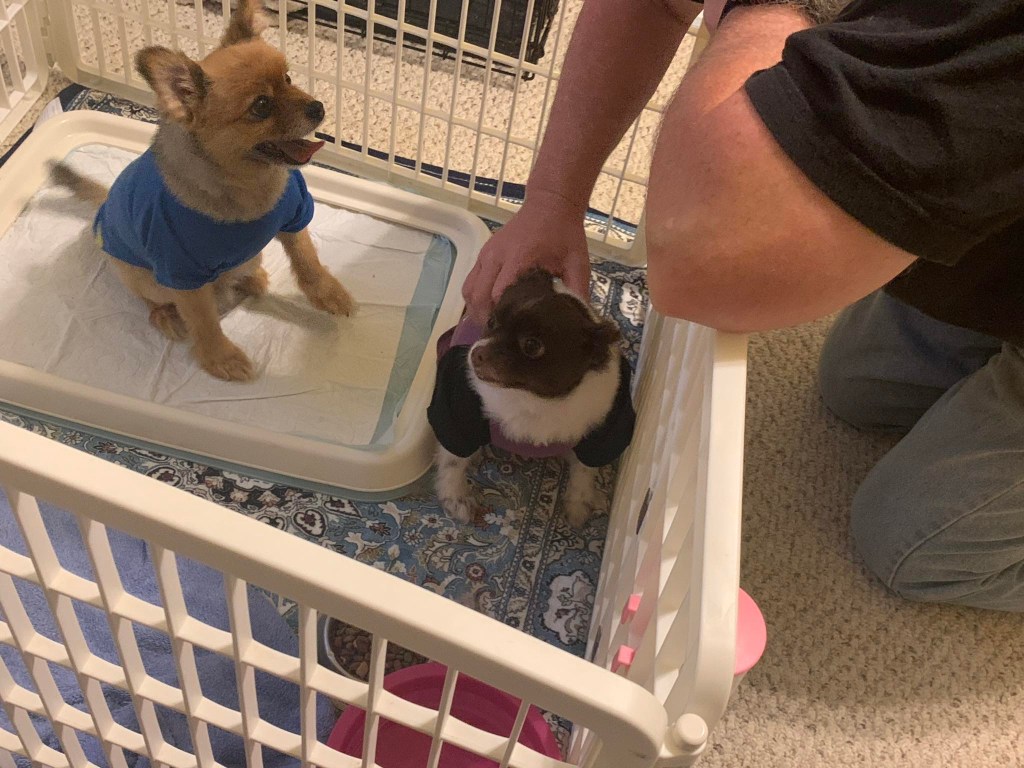
Truffles is a gorgeous, spayed, brown & white Beaver Pom. She is extremely loving and affectionate. If she had her way she would loaf around all day in your lap until it was time for bed.  At night she is quite fond of spooning with her person.  Sometimes I must push her away so I can move my legs to the other direction.  LOL!  She is chunky and needs to drop 1-2 pounds from her tiny frame.

Her personality is very quiet and gentle. She is a bit timid until she gets to know you.

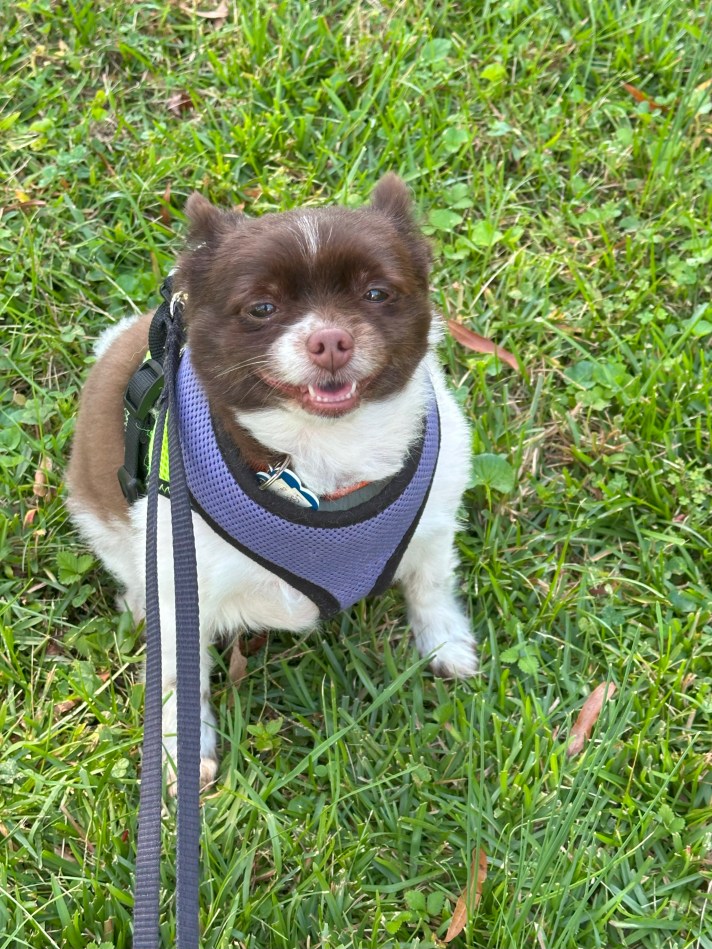
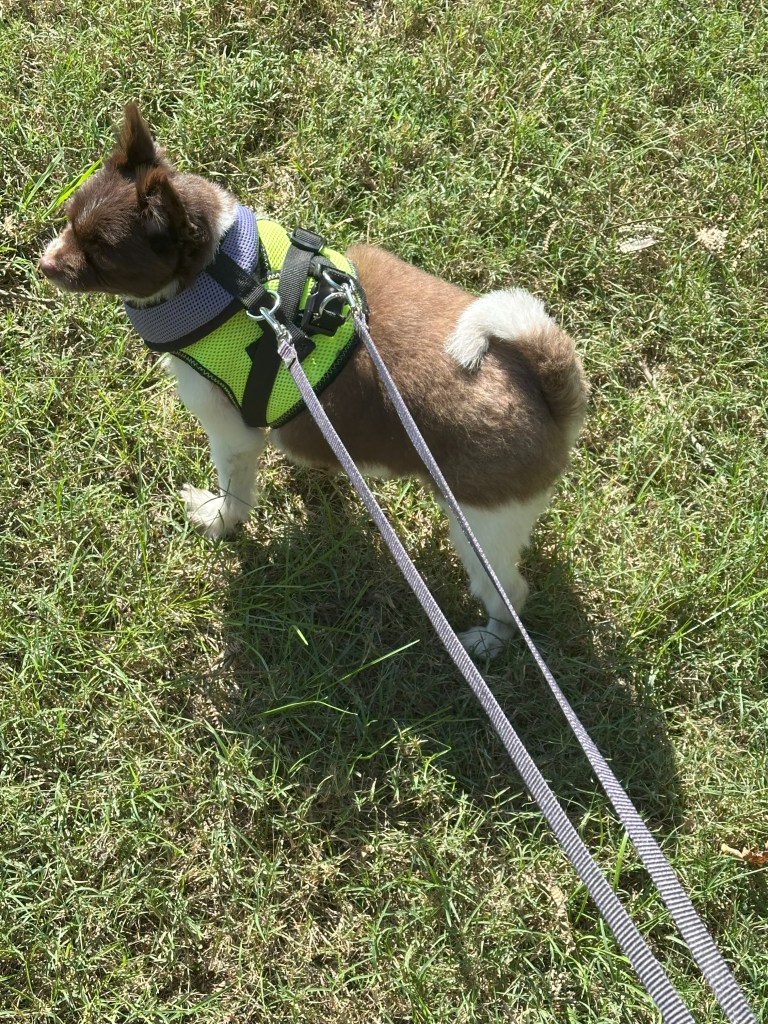
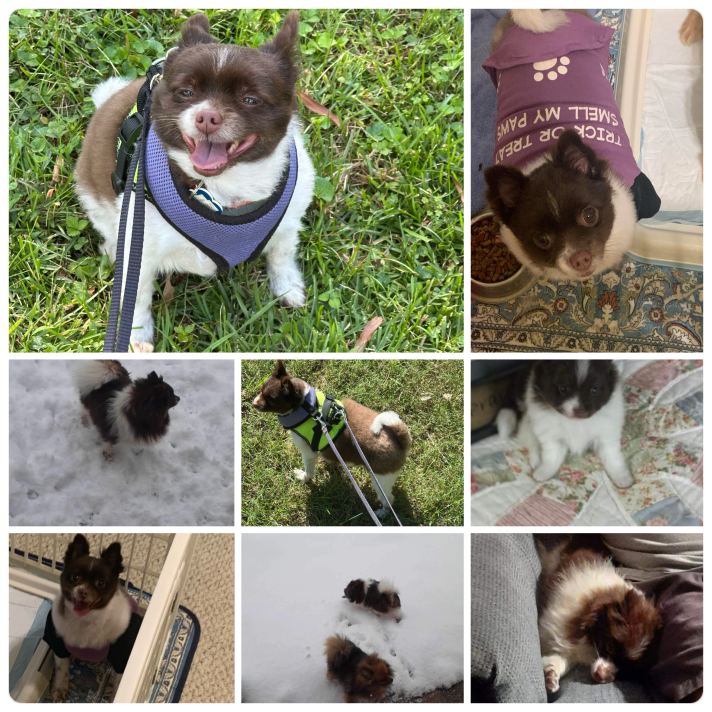
Truffles is learning her leash manners, but she is a Houdini and likes to slip out of her harness and run off on her own adventures.  After the second time, we double-harnessed her as a precaution (see pic).  That’s the first time we have ever had to do that.  Luckily, she is very chunky so while she is fast out the gate, she doesn’t have much stamina.

After the first couple days, she didn’t try to get away anymore. I believe it was just a fear response because of all the changes. She is getting used to the harness and leash, but she doesn’t like to go for walks. She just plants her fluffy little butt down and looks at us like we are crazy to think she will walk with the other peasants.

She is quite smart.  She figured out that we have a doggy door and how to use it without being shown.  Usually, we have to show a newcomer the door and push/coax them through it a few times until they get the hang of it.

History

She is crate trained. Her previous owner says she is great with kids.

She was surrendered with her brother Bear.  They were acquired during COVID and the son ended up being severely allergic.  They tried multiple treatments and methods, but just couldn’t get his allergies under control.  The family was devastated by having to make this agonizing decision.

She was shaved down for summer, but it is growing back.  You can see in the pictures she has a lovely coat when grown in.  Since she is a beaver, her nose and eyelids are brown instead of the usual black which compliments her coat very nicely.

What does she need?

Truffles would do well with someone that loves to cuddle, doesn’t mind sharing their lap, but doesn’t expect to be slobbered with kisses.  She gives kisses, just very demurely.

She needs a home that will work with her on her weight and get her into shape. She would be an excellent apartment dog.

We would love for brother and sister to be adopted together (a discounted adoption rate would apply). However, after evaluation, they are not a bonded pair and can be separated.

Adoption fee is $500.

ADOPTED – Demi (DOB 4/10/22 approx)

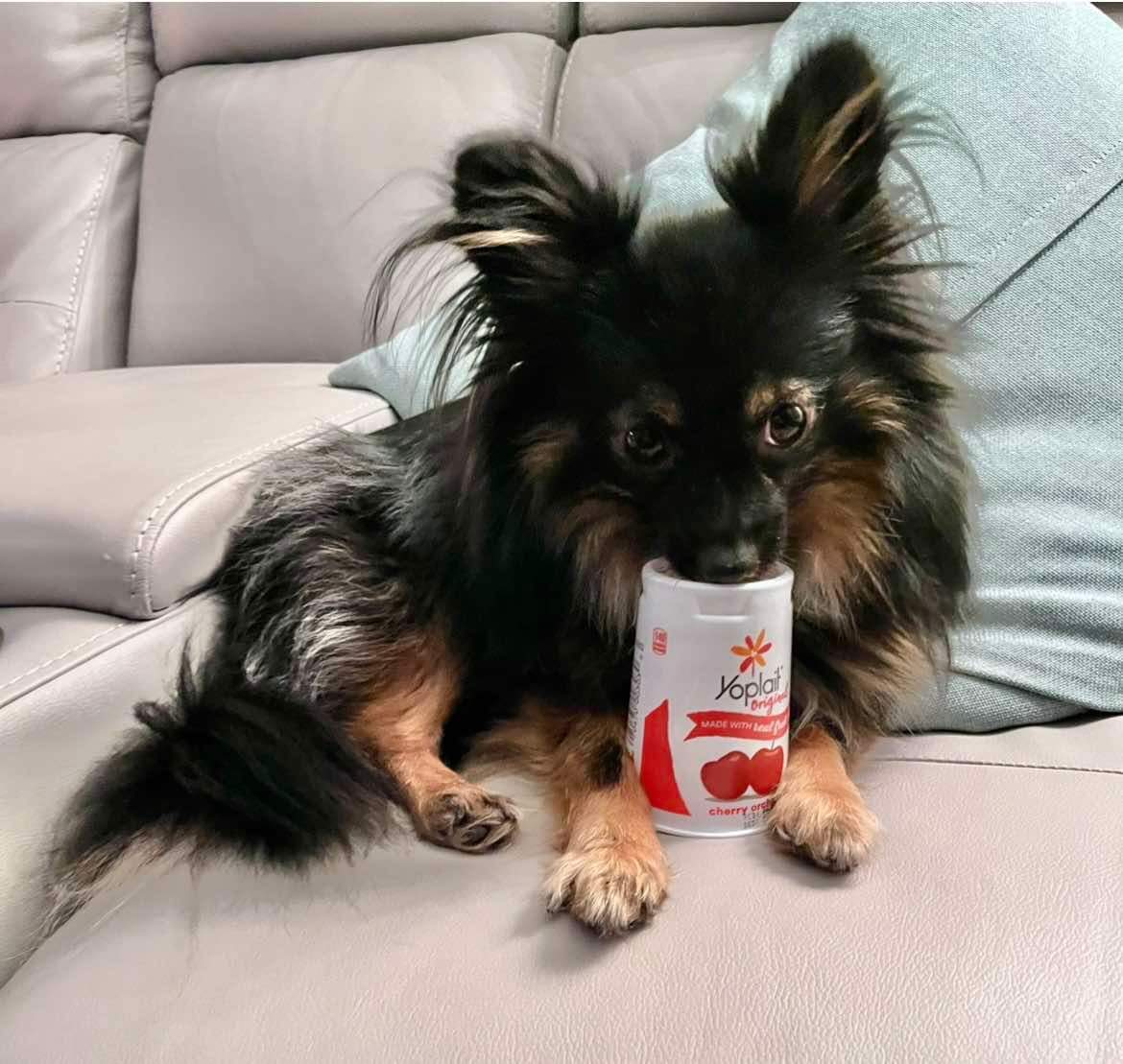
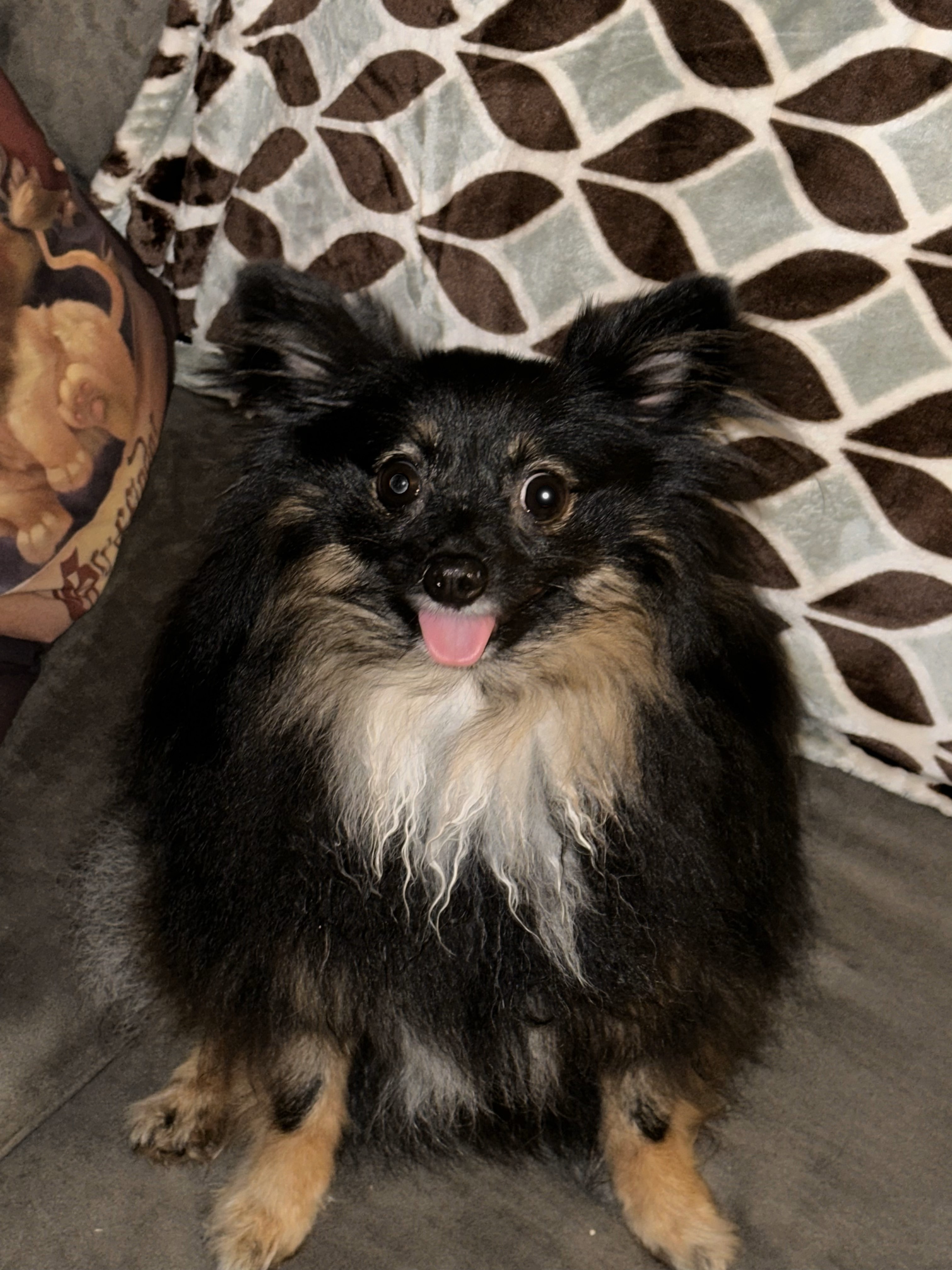
Demi is a pure bred (DNA Tested), 2.5 year old, 6 lb., Black and Tan girl with a super silky coat that you want to stroke for hours which is fine with her!  She has been spayed, microchipped, and is up to date with all her vaccines including a 3-year rabies certificate.

Demi’s personality is super sweet.  She loves being with her people, snuggling on the couch, or laying against your leg in bed.  She loves going on walks and is ok on a leash.  She tends to pull on the lead and could use some work on heeling.  She gets along with other dogs, and we are told she loves to splash around in water. She would make a great therapy or agility dog.

History

Demi has had 3 homes in her short years through no fault of hers.  Her first mom had her for a year but had to go into assisted living with no dogs allowed.  Her second mom had her for a little over a year, but sadly, she passed away.  Her daughter planned on keeping her, but she works full time and after 10 hours alone every day, Demi would work herself up so much she would make herself sick, so she made the heartbreaking decision to find her a new home more suited to her needs.

In September 2023 while playing with her mom’s grandson, she broke her rear leg in 4 places (ouch!). He had her in a sling and it sounds like she jumped out and landed on the concrete patio. It was surgically repaired, and you would never know it happened without an x-ray showing the hardware in her leg.  She does like to jump up and down from the couch and recliner so stairs for the couch would be a recommended investment.  Post-op she did have 2 seizures.  This Is not uncommon with the small breeds as their blood sugar can drop very fast and appetites are often decreased immediately following surgery.  She did see a neurologist and had a full work up that found no underlying cause.  This would be something to make not of with your vet for future procedures (dental or other surgeries).

Grooming can be a challenge.  She has allowed us to brush her a little, but we are told mani-pedi’s are a 2 person job.  We had to clean her bum, and it took 2 of us. 

When she was surrendered, we were told she was terrified of feet, but we have not experienced this.  She follows me around the house right at my feet and lays next to them on the couch.

What does Demi need?

Most importantly, she must have a home where she is not left alone for long stretches of time every day. If you have a home where everyone goes to work/school every day, she is not for you.  I think she would like another dog to play with also.  She has tried to initiate play with our Poms, but they are 17 & 11 and don’t play much.

With her tendency to jump on/off furniture and follow around on your feet, young children are not recommended.  Children over 12 would be okay as long as they understand how delicate Poms bones can be.

She seems equally interested in spending time with both my husband and me so she would likely be a great family Pom and not be attached to only one person.

I would really like to see her go to a family or couple under 65.  She has already lost 2 moms due to old age in her short life.  Poms expected life span is 14-16 years, so I would like her next home to be her last home.

Adoption fee is $500.

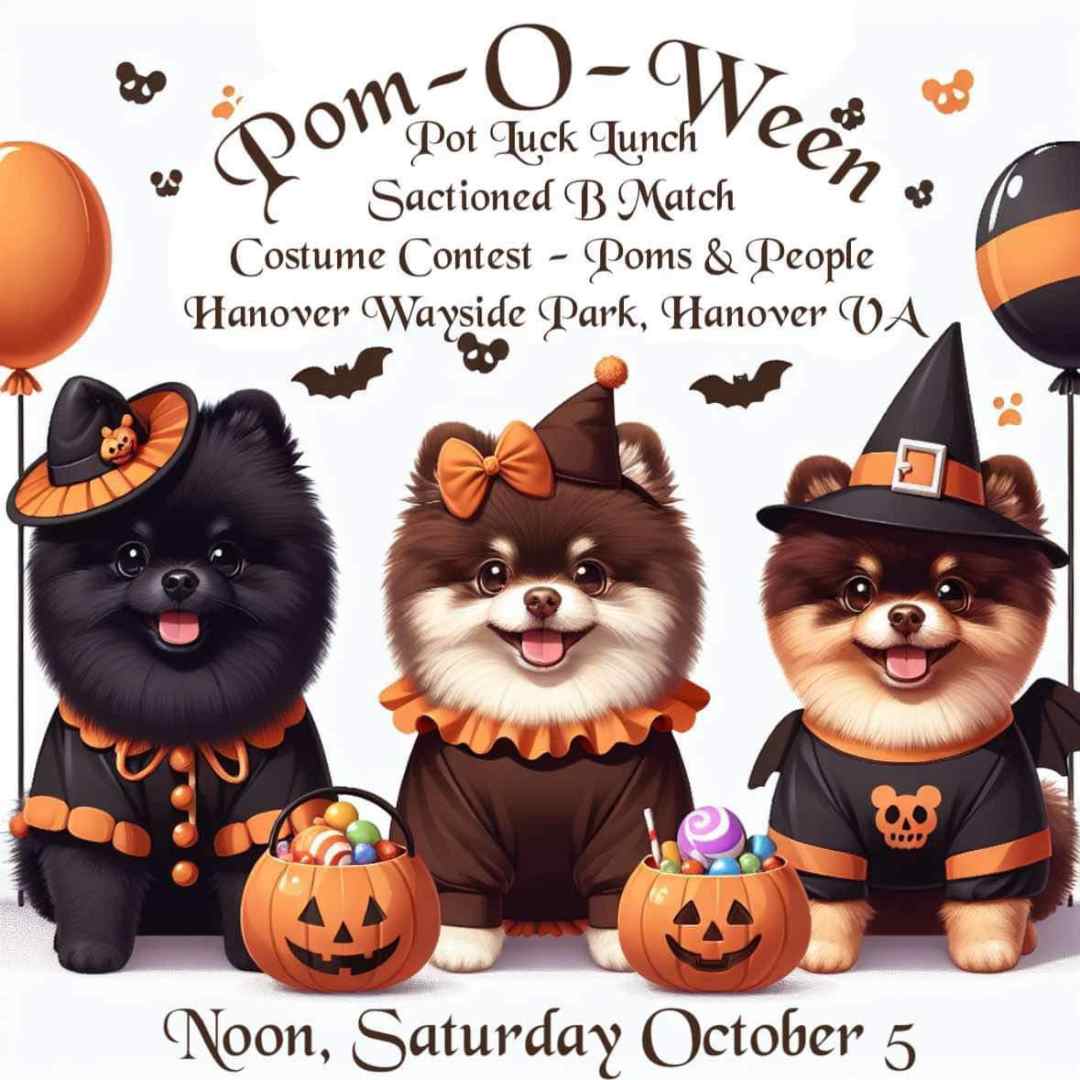
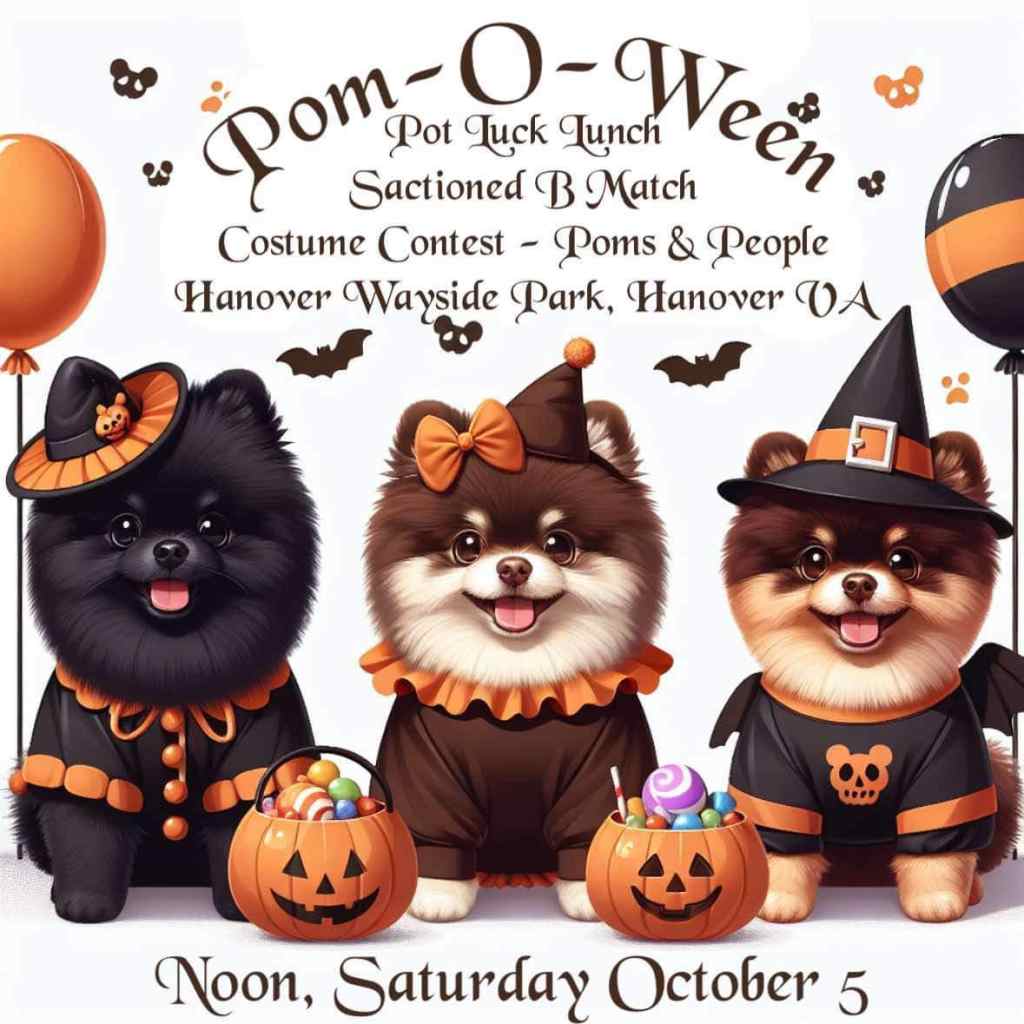
Pom-O-Ween Specialty and Costume Contest Oct. 5

Come join us for Pomeranian Specialty Sanctioned “B” Match Potluck and Costume Contest on Saturday, October 5 at Hanover Wayside Park (click for directions) in Hanover/Mechanicsville, Virgina. We will be in shelter #2 complete with many picnic tables and electrical outlets. There is plenty of space to set up your grooming station and electrical outlets are available.

Check-in starts at 10:00 with the match starting at 11:00. Registration is $10.00 per Pom. The costume contest will take place after the match, owners are welcome to join their Poms dressing up.

Please feel free to bring something for the potluck (not required) and join us for lunch and talk to breeders and handlers about Pomeranians or just hang out.

If you have any questions, please feel free to post them in the event discussion on our Facebook page by clicking here: Happy Pom-O-Ween 2024

Specialty Match, May 11, Hampton

Chicken Nugget?

We’re Poms

Merry Christmas!

Happy Howl-idays!

Proper Dog Show Suit