JUST IN TIME FOR APRIL 15th. GET IN THOSE LAST-MINUTE DONATIONS TO DEDUCT ON YOUR TAXES!!
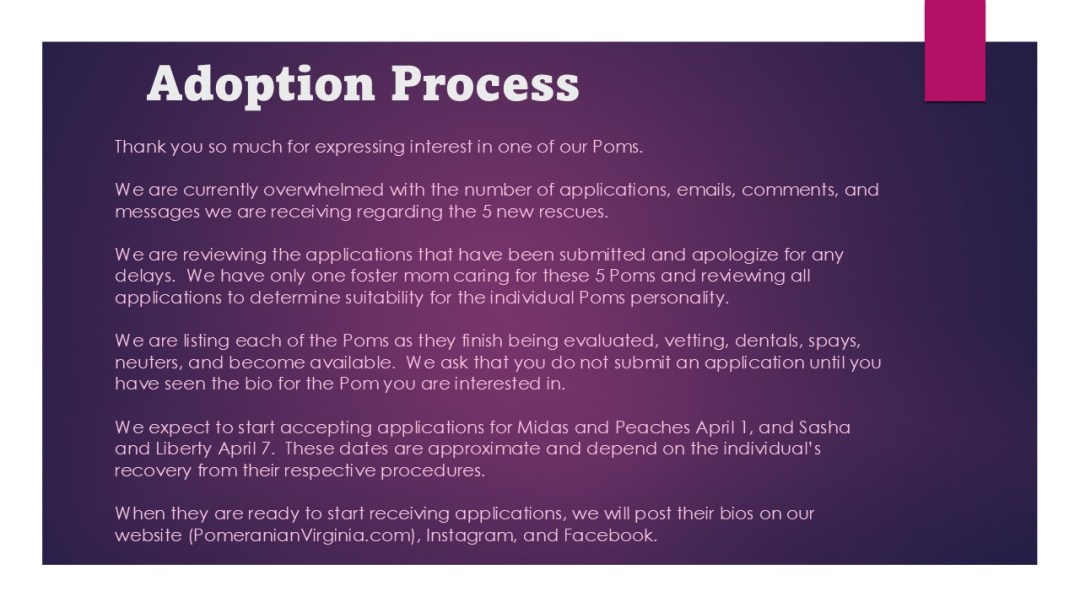
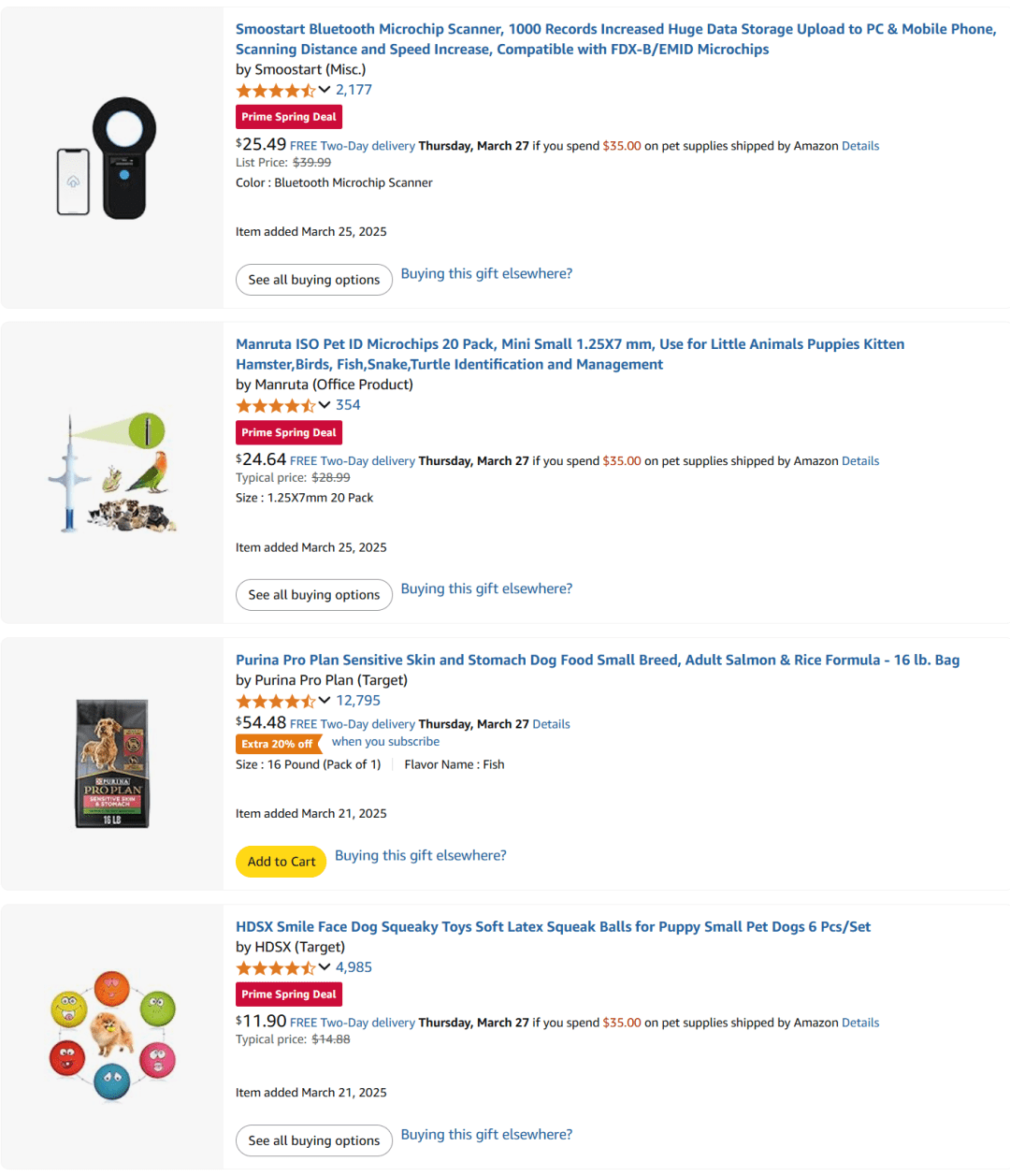
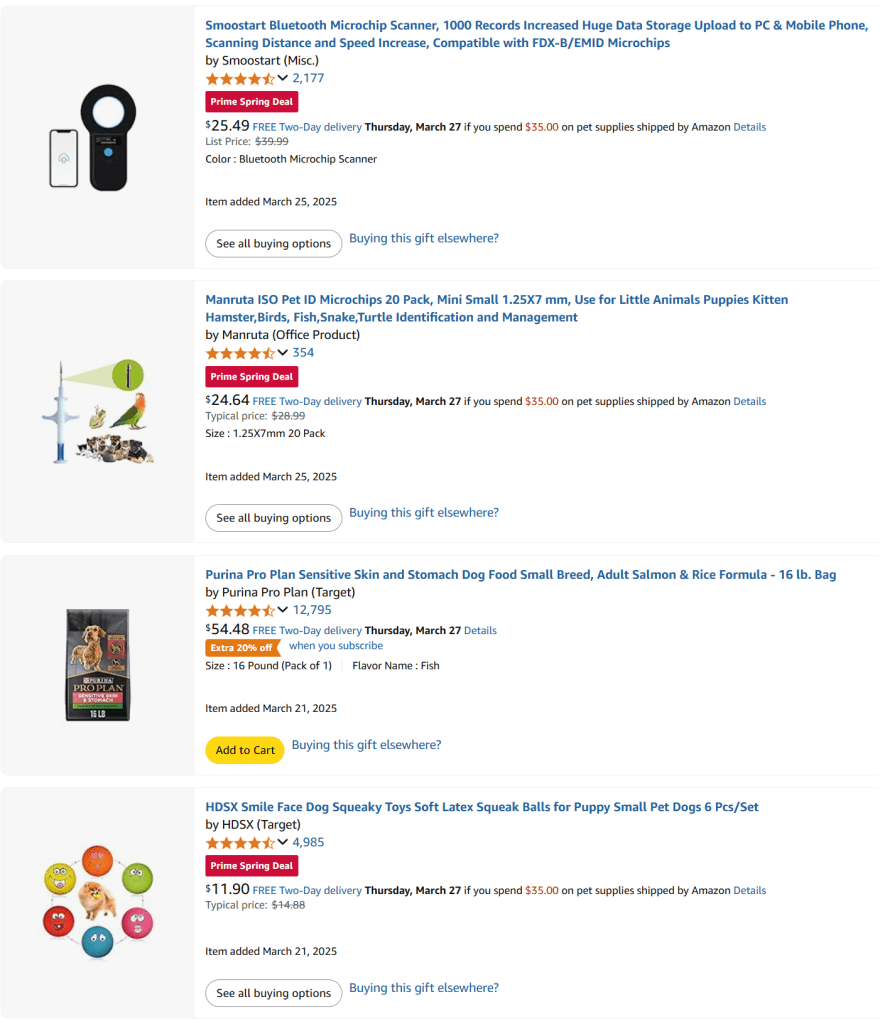
In addition to general care, we would love to start microchipping all our rescues. If we chip our rescues, then if at any time in the future one of our rescues shows up in a shelter or another rescue, it will lead back to us. The new owners can also add their information, but our contact info will also be available if the owner is not found or has never registered the chip. This ensures we can reclaim any of our rescues!
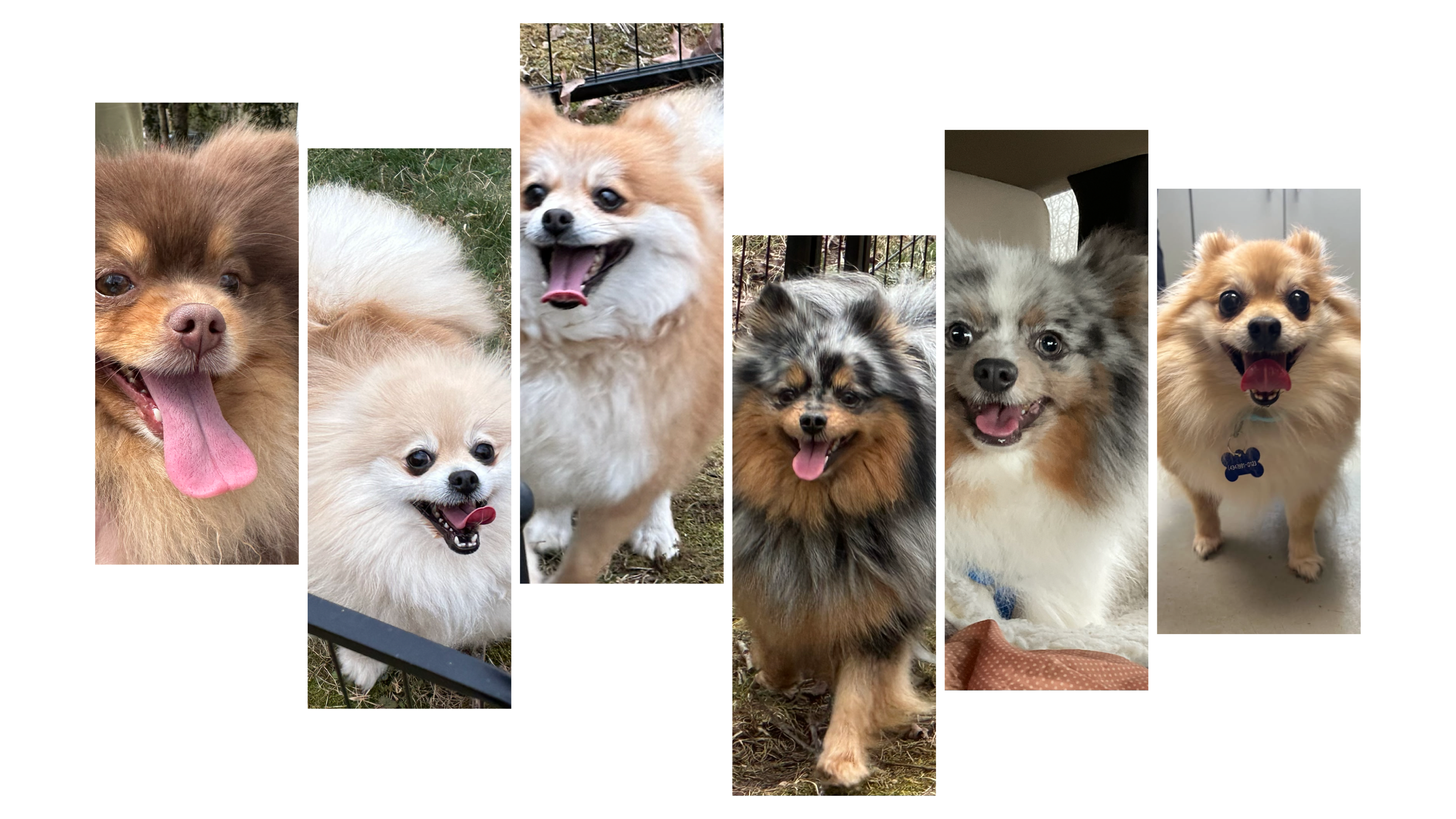
We have recently taken in 6 Pomeranians whose owners could no longer care for them primarily due to recent changes in the government workforce.
Some need to be neutered/spayed and vaccine updates, while all of them need dental cleanings. Veterinary costs have exploded and dentals alone are running $300-400. Anything helps offset these costs and help us find these cuties their forever homes faster.
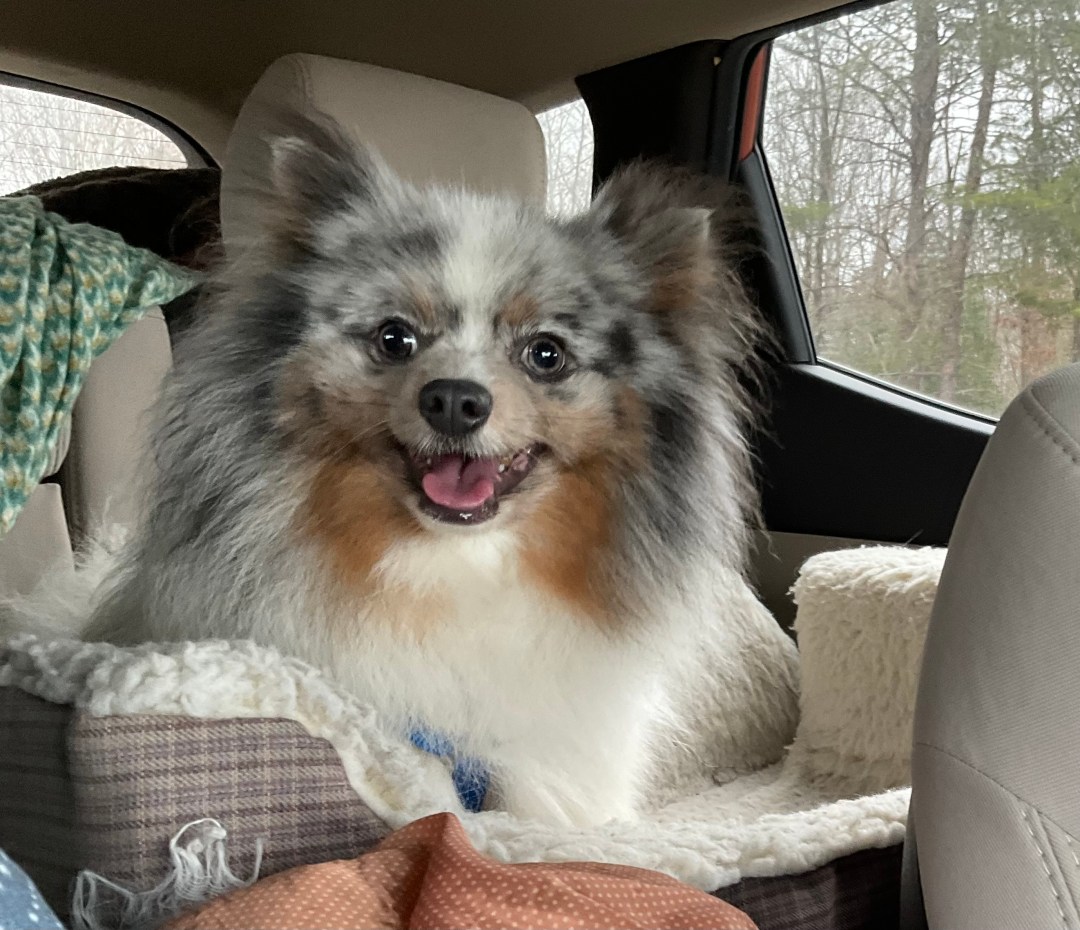
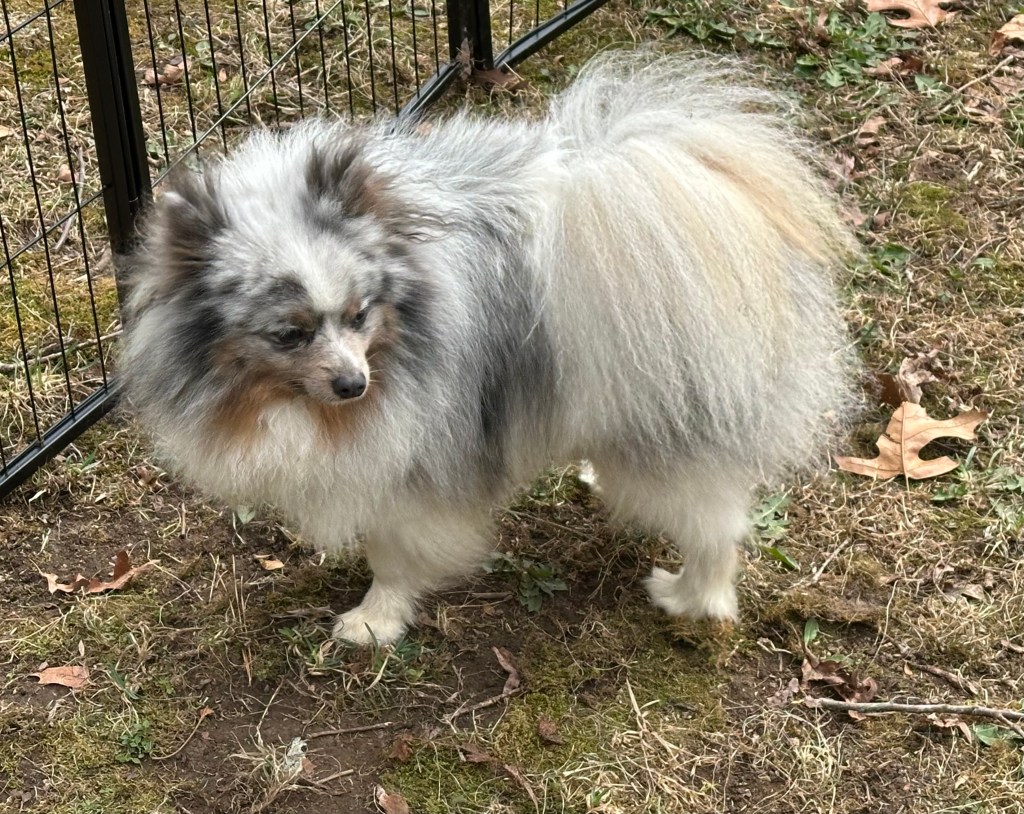
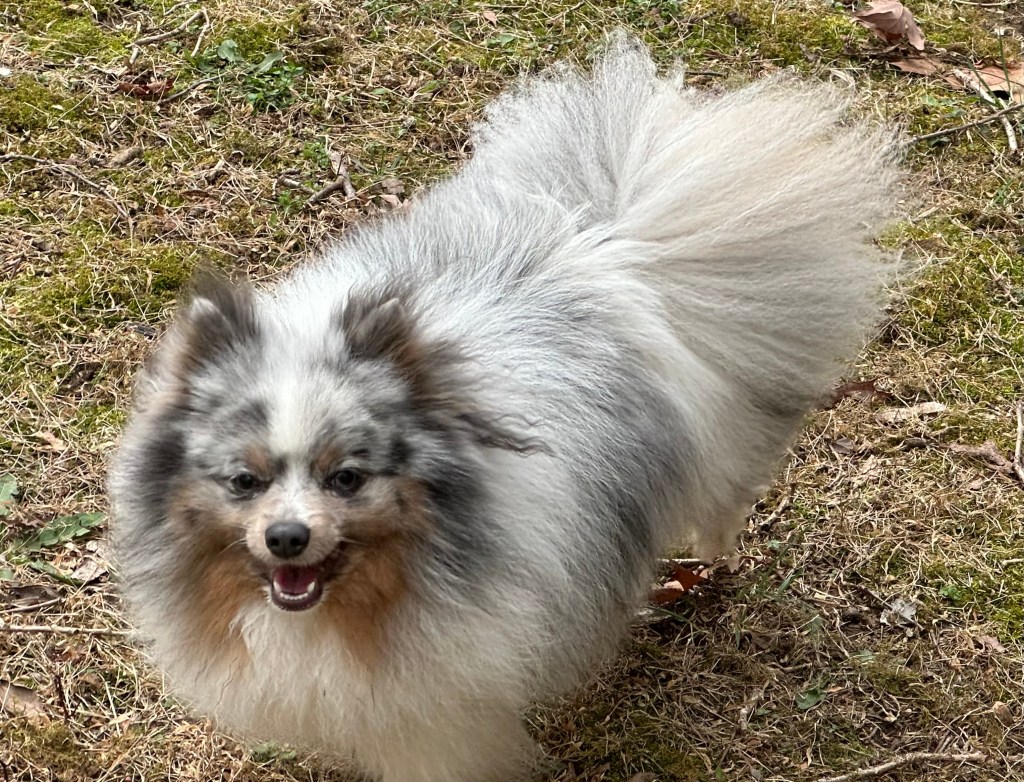
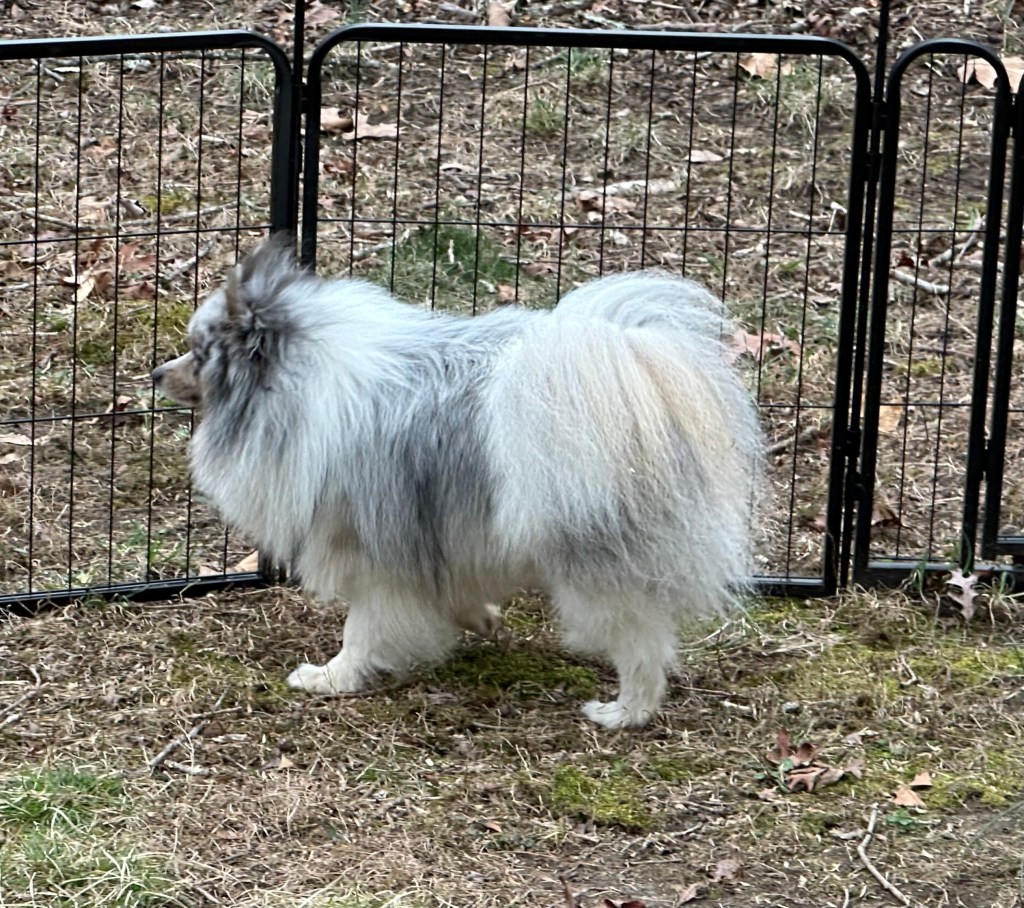
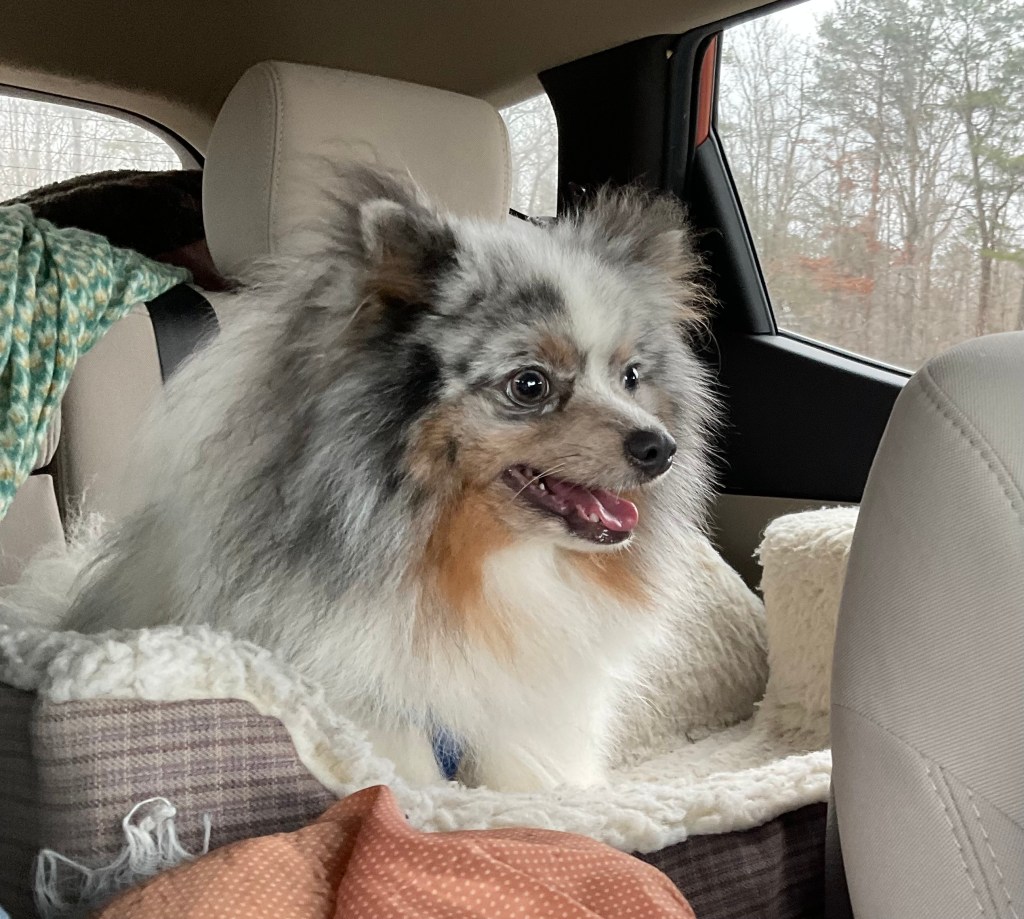
Archer is a very handsome, AKC registered, very rare Blue Merle Piebald Parti Pom. He was born on 6/29/2023 and is currently just over 11 pounds. He was being overfed just a little and ideally he should be under 10 pounds. Archer has been neutered and his shots are up to date until 2026 (DHPP) and 2027 (Rabies).
Archer is very personable. He was giving kisses in the car on the way home. He has a massive, gorgeous coat in a very unusual color pattern you rarely see in Poms. He will require regular grooming with a stainless steel comb to keep his thick undercoat from getting mats. A quick run over with a slicker brush after combing will pick up any loose hairs and can easily be done while sitting on the couch watching your favorite shows.
He did get a little queasy on the car ride home and drooled all down his chin. Given the amount of stress involved with being taken from your home and being carted off by 2 strangers, it may or may not be an ongoing issue.
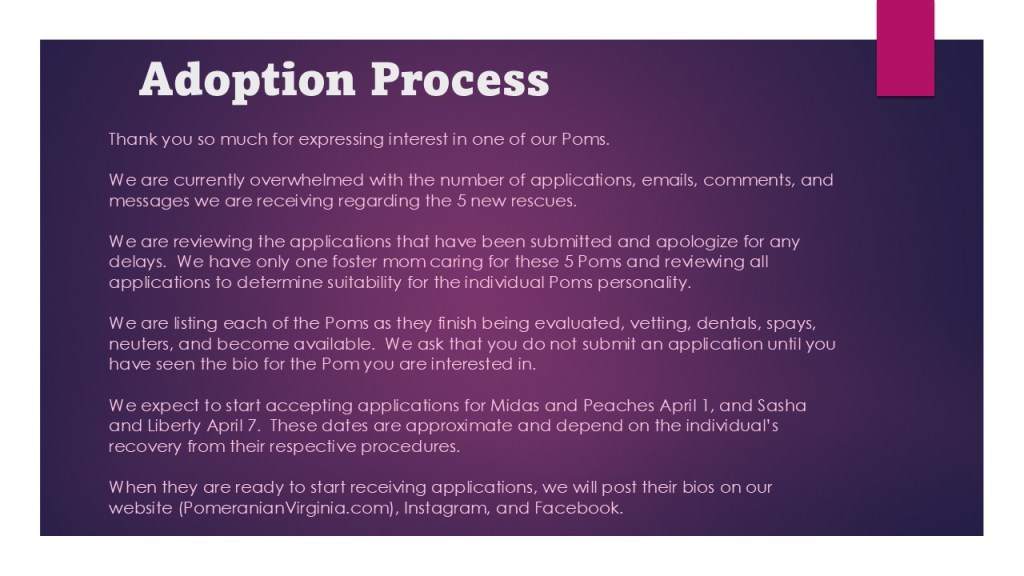
Unfortunately, his owner has been impacted by the federal return to work mandate and has a considerable commute. This necessitated him surrendering his beloved Poms due to not having the time to be with them. In total, 5 were surrendered and will be listed as they are available.
Of the 319 bones, on average, that comprise a dog’s skeleton, a handful of those (so to speak) are dedicated to the paws. Along with bones, dog feet include skin, tendons, ligaments, blood supply, and connective tissue.
2. Paws Have Five Parts
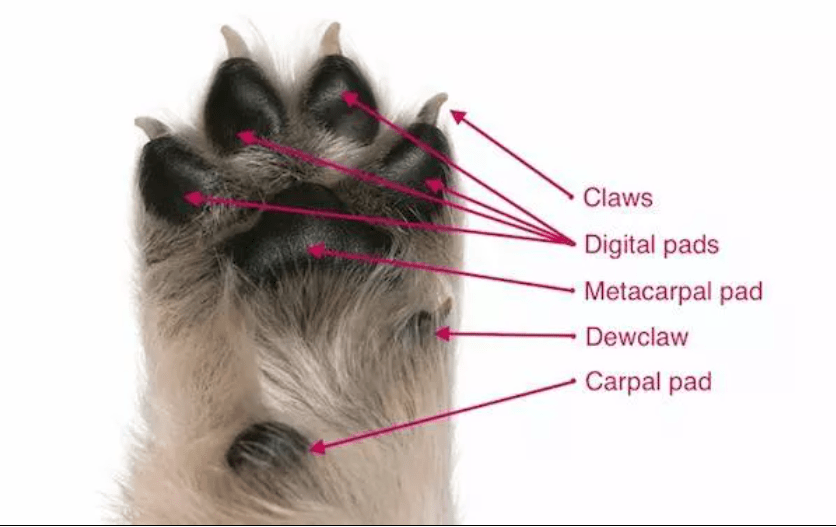
Paws are made up of the following five components: Claws, digital pads, metacarpal pads, dewclaws, and carpal pads, as illustrated below.
Illustrated with the paw of a 4-week-old puppy.
Eric Isselee / Shutterstock / Treehugger
Pads
3. The digital and metacarpal pads work as shock absorbers and help protect the bones and joints in the foot. The carpal pads kind of work like brakes, and help he dog navigate slippery or steep slopes.
4. Paw pads have a thick layer of fatty tissue, but that doesn’t mean your pooch can’t sustain an injury from walking on a surface that’s too hot or cold.1 Scientists believe that domestic dogs first evolved in colder environments before spreading out into other climates.2 The thick pads allow dogs to develop a tolerance to temperature extremes. However, in cold weather, dogs can suffer from cracked or bleeding paws and in hot weather, walking on hot sand or sidewalks can cause their paws to blister.
5. The pads also offer protection when walking on rough terrain.3 Dogs that are outside a lot and exposed to rough surfaces have thicker, rougher paw skin; dogs that stay in more and walk on smoother surfaces have softer pads. The pads also help the dog distinguish between different types of terrain.
mikroman6 / Getty Images
6. The inner layer of skin on the paw has sweat glands, though they are not effective in cooling a dog on a hot day. You might notice paw prints as your dog’s paws exude moisture; dogs get sweaty hands, just like humans do.
Toes
7. Dogs are digitigrade animals, meaning that their digits—not their heels—take most of their weight when they walk.4 Because of this, dogs’ toe bones are very important.
8. Dog’s toes are equivalent to human’s fingers and toes, although they are unable to wiggle them with the ease that we do.
Dewclaws
9. Dewclaws are thought to be vestiges of thumbs.1 Dogs almost always have dewclaws on the front legs and occasionally on the back. Front dewclaws have bone and muscle in them, but in many breeds, the back dewclaws have little of either. Because of this, dewclaws are often removed to prevent them from getting snagged. (However, opinions on the necessity of this procedure are mixed.)
10. Although they don’t provide very much function for traction and digging, dogs do use their dewclaws; they help the dog get a better grip on bones and other things the dog may like to chew on. Front dewclaws also provide traction when dogs are running at high speeds.
11. Great Pyrenees still use their rear dewclaws for stability on rough, uneven terrain and often have double dewclaws on the hind legs. Among show dogs, the Beauceron breed standard is for double rear dewclaws; the Pyrenean shepherd, briard, and Spanish mastiff are other breeds that have double rear dewclaws listed for show standards as well.
Shape and Size
12. Breeds from cold climes, like St. Bernards and Newfoundlands, have wonderfully large paws with greater surface areas. Their big, floppy paws are no accident; they help these breeds better tread on snow and ice.
13. Newfoundlands and Labrador retrievers are known for their long toes. Both breeds also have webbed feet, which helps make them excellent swimmers. Other breeds with webbed feet include the Chesapeake Bay retriever, Portuguese water dog, field Spaniel, and German wirehaired pointer.
14. Some breeds have what are called “cat feet.” These dogs have a short third digital bone, resulting in a compact feline-like foot; this design uses less energy to lift and increases the dog’s endurance. You can tell by the dog’s paw print: the prints of cat feet are round and compact. Akita, Doberman pinscher, giant schnauzer, Kuvasz, Newfoundland, Airedale terrier, bull terrier, keeshond, Finnish spitz, and Old English sheepdog all have cat feet.
15. On the other hand — er, paw — some breeds have “hare feet,” which are elongated with the two middle toes longer than the outer toes. Breeds that enjoy hare feet include some toy breeds, as well as the Samoyed, Bedlington terrier, Skye terrier, borzoi, and greyhound. Their paw prints are more slender and elongated.
Paw Odor
16. And then there’s “Frito feet.” If you notice the distinct smell of corn chips emanating from your dog’s paws, resist salivating. Sometimes the aroma is due to bacteria and fungi, but generally, the odor doesn’t lead to complications for the dog.
Massage
17. Do you love having your hands massaged? So does your pup. A paw massage can relax your dog and promote better circulation. Try rubbing between the pads on the bottom of the paw, and then rubbing between each toe.
Etymology
18. “Paw” comes from the early 14th-century paue, meaning “hand or foot of an animal which has nails or claws,” from Old French powe, poue, poe “paw, fist,” a word of uncertain origin.
Pet odors in the home can be more than just unpleasant—they can pose health risks if not properly managed. For instance, pet waste can release ammonia into the air, which can trigger respiratory issues and irritation in humans, and in high concentrations, may even lead to illness.
To avoid these risks, it’s essential to monitor your pet’s activities and clean up any accidents as soon as they happen. Using enzymatic cleaners specifically designed for pet messes is key, as they break down odor-causing compounds effectively.
Additionally, pet dander can lead to allergic reactions in sensitive individuals. Maintaining good hygiene and cleanliness in the home, including regular cleaning of high-traffic pet areas, can help minimize both odors and potential health hazards.
Here are some tips to help keep your home fresh and free from pet odors and bacteria:
Remove Odors: Odors can be a cause of health problems. The human olfactory system has the responsibility of detecting odors.
Biological Pollutants in Your Home: Pet dander can be a source of biological pollutants. Some people have sensitivities to biological pollutants, and they may have an allergic reaction.
How to Clean Up Cat Urine: When cat urine comes into contact with a household surface, it’s important to clean up the mess quickly. If odors persist after cleaning an area, it may be necessary to resurface or replace materials.
Pet Stains: Cleaning up pet stains within an hour or two of occurrence should be enough to resolve the stain and odor. Applying sunlight and air circulation to a stain can also help resolve it.
Odors: What’s That Smell? (PDF): It may be possible to neutralize odors in bedding by sprinkling the area with baking soda. Allow the baking soda to sit on the fabric for several hours, then vacuum it.
Baking Soda: The Everyday Miracle (PDF): Baking soda neutralizes odor molecules to stop unpleasant smells. Baking soda is also a natural and safe substance, making it ideal for sprinkling on a pet’s bed to control odors.
What to Do if Your Dog Soils the House: When pets make messes in the house, you must clean up the mess thoroughly to prevent issues. An enzymatic cleaner will break down molecules to remove them completely from a surface.
Help Yourself to a Healthy Home (PDF): Restricting pets from living areas and bedrooms can help if family members have problems with asthma or allergies. This restriction will help eliminate pet dander from these areas.
The Indoor Cat Initiative (PDF): Cats may intentionally mark their territory with urine spray. If this occurs, you will need to clean up the mess thoroughly to prevent lingering odors.
Bathing Your Dog: Dogs need regular bathing to minimize odors, which they can transfer to surroundings in a home.
Asthma Triggers (PDF): Cats, dogs, birds, and rodents can produce allergens that enter the air and incite an allergic response in some people. Improper cleaning in a home may lead to an excess of dander and odors, which can make allergies worse.
Dangers of Dog Poop: Failure to clean up dog feces can lead to contamination and illness. Parasites are often present in dog feces, which can transfer to humans to cause illness.
Five Important Reasons to Clean Up Pet Waste: Cleaning up and disposing of pet waste is one of the tasks of pet ownership. Allowing waste to accumulate without disposing of it can lead to unpleasant odors and illness.
Ammonia Fact Sheet: Allowing pet waste to fester without cleaning it can lead to the release of ammonia into the air. Ammonia has a strong and unpleasant odor. Exposure to ammonia can lead to health issues.
Indoor Air Issues: Ammonia (PDF): Ammonia is colorless, but it has a strong odor. Pet urine contains ammonia. Exposure to ammonia in an enclosed area can cause irritation of the throat, eyes, and nose. Headaches may also occur.
What Is Ammonia? Ammonia occurs naturally in some types of bacteria, including pet urine. People may notice exposure to ammonia with symptoms such as burning eyes, nose, and throat.
Removing Pet Stains and Odors (PDF): Finding the source of pet odors can be challenging. Using a black light may enable you to find old urine stains.
Successful Cleaning to Remove Pet Odors and Stains (PDF): Steam cleaners can be counterproductive when cleaning urine stains from upholstery and carpet. The heat from the steam may actually set in the odor and the stain instead of removing them.
Removing Pet Stains and Odors: Cleaning pet stains with products containing ammonia or vinegar will mask the odors instead of removing them. An enzymatic cleaner should effectively remove both stains and odors.
Cleaning Tips: Failure to clean up urine completely may lead to future problems. Even if you cannot smell urine, a pet probably can. The pet may make additional messes in the same area because urine odors persist.
Owning a Cat: A dirty litter box may lead a cat to urinate inappropriately in the home. If a cat feels threatened, it may also urinate outside of the litter box to mark its territory.
Creature Comforts: Assess potential litter box issues if a cat has problems with inappropriate urination. Placing the litter box in a location where a cat feels uncomfortable might cause the cat to refuse to use it.
Cat Behavior Tips (PDF): A cat may have a health problem if it does not use a litter box correctly. Have a cat evaluated by a veterinarian if indiscriminate urination occurs.
Urine Spraying (PDF): Neutering a male cat is an effective way to stop urine spraying in the home. Always clean up urine messes quickly and thoroughly to avoid lingering pet odor.
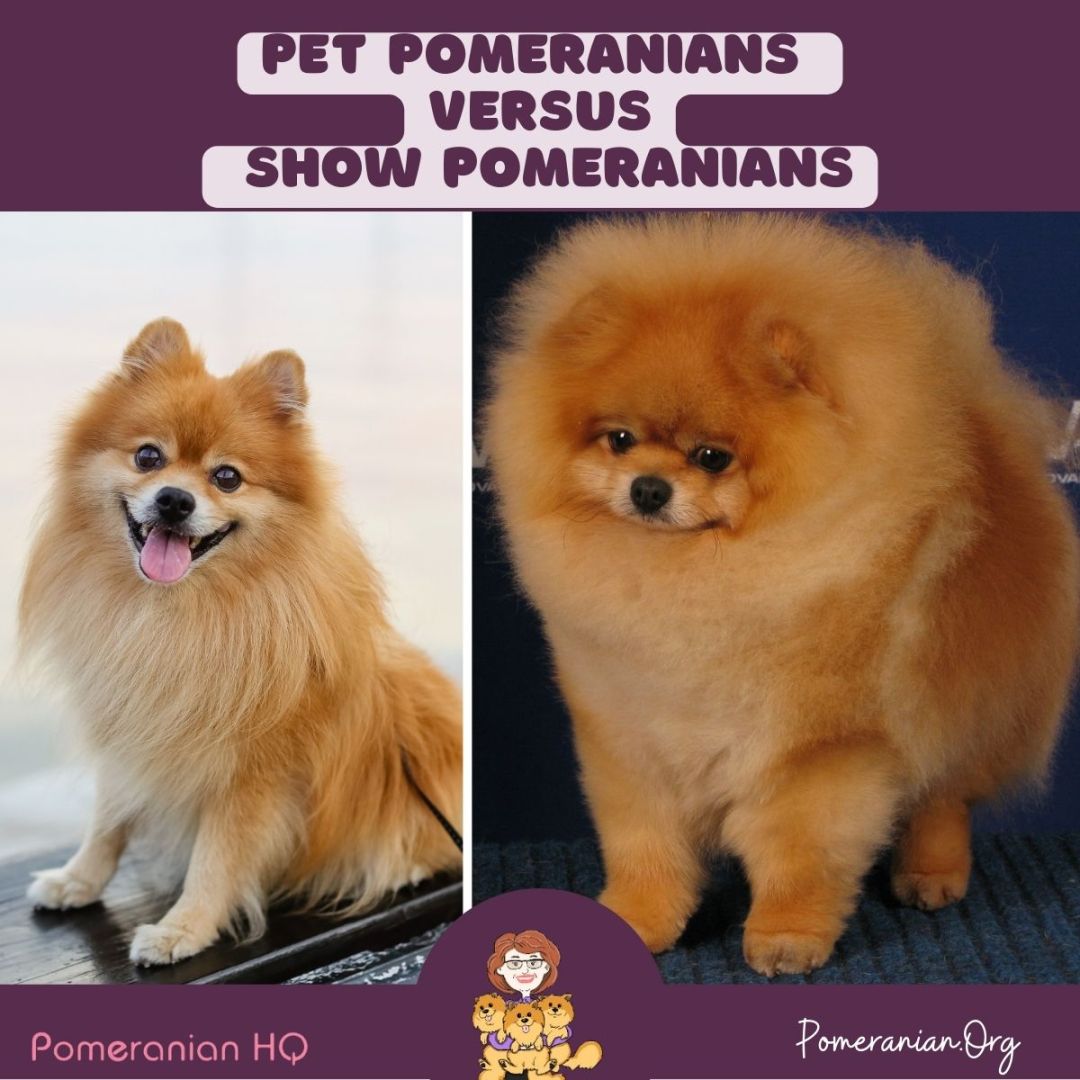
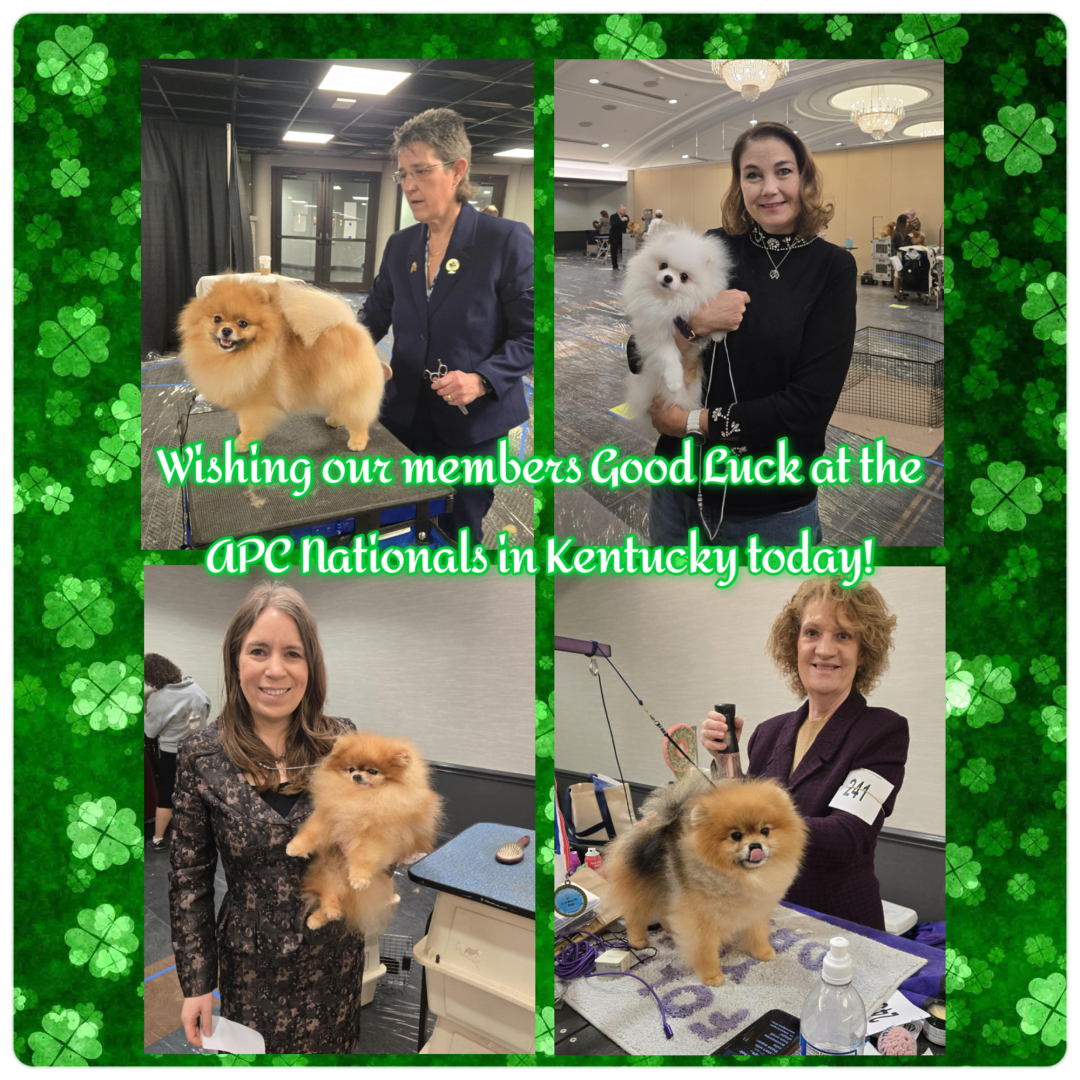
Why Do Show Pomeranians and Pet Pomeranians Look Different? Pomeranians are known for their showmanship, and the Poms, in particular, take pride in this. They prance around proudly at dog shows, but how do they differ from pet Pomeranians?
How Does A Breeder Determine The Difference Between A Pet And A Show Dog?
Pomeranian show dog breeders try to select the best specimens to breed with. For example, a Pom breeder will decide, after doing everything required, which dogs meet the Pomeranian Breed standard and which don’t.
Even very small problems such as a curly tail or a tooth out of line mean he’s better suited to being a Pomeranian pet or companion. If a Pom puppy is designated as a show prospect, this means he has no discernible flaws.
What is this horking, harfing, hocking mess? Hairball?
Reverse sneezing in dogs can be alarming if you’ve never experienced it before. But, luckily, it’s not quite as scary as it sounds.
Reverse sneezing occurs primarily in dogs and much less frequently in cats. Here’s what you need to know about reverse dog sneezing and what you can do to help stop it.
What Is Reverse Sneezing in Dogs?
Reverse sneezing, or an inward sneeze, is a sudden, involuntary respiratory reflex. It occurs when a dog’s soft palate (the soft part on the roof of the mouth that separates the nasal passage from the oral cavity) becomes irritated.
This irritation causes the soft palate muscles to spasm, resulting in a temporary narrowing of the trachea. The dog extends his neck as he expands his chest to breath, but the narrowed trachea makes it difficult for the dog to fully inhale like normal. The dog then repeatedly attempts to inhale through his nose, which results in a snorting noise.
Why Do Dogs Reverse Sneeze?
Dogs most commonly reverse sneeze to expel an irritant from the soft palate or throat. This is similar to how dogs sneeze to remove irritants from their noses. Anything that irritates the soft palate can lead to a reverse sneezing episode, including a blade of grass, pollen, or dirt.
Other causes of soft palate irritation that may result in reverse sneezing include the following:
Elongated soft palate (common in brachycephalic breeds)
Eating or drinking
What Does Reverse Sneezing in Dogs Sound Like?
Reverse sneezing in dogs sounds like the dog is actually inhaling their sneezes, hence the name “reverse sneezing.” It’s a loud, snorting sound that can sometimes sound like a goose honking or be confused with the dog choking.



:max_bytes(150000):strip_icc():format(webp)/__opt__aboutcom__coeus__resources__content_migration__mnn__images__2014__06__paws-parts_0-07e021a2e3904ec3a956c32a955424cb.jpg)
:max_bytes(150000):strip_icc():format(webp)/GettyImages-1144580161-e70991a2415d46608aeb91e43acc3ad5.jpg)
:max_bytes(150000):strip_icc():format(webp)/1398px-Owczarek_francuski_beauceron_wilczy_pazur_z_bliska-0a66a8c28d304705acdda97539ce018c.jpg)
:max_bytes(150000):strip_icc():format(webp)/212041830_ba553388d6_b-8871ece4306e40d199bf2334118531e5.jpg)