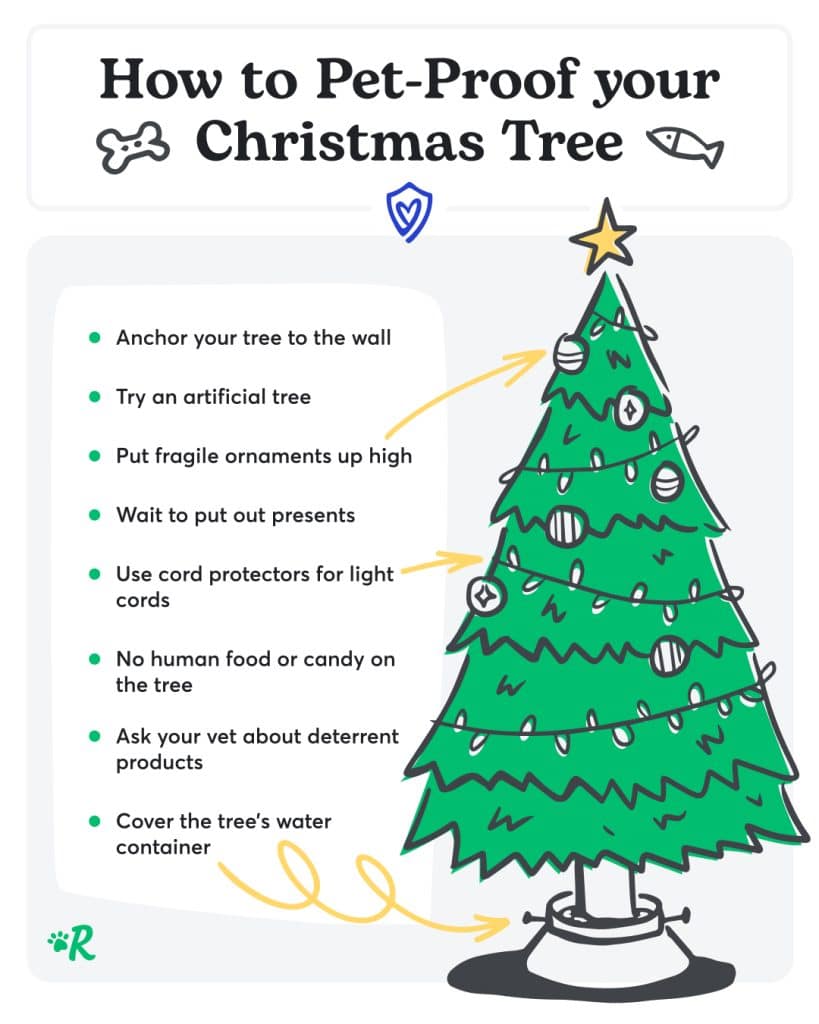
Nothing makes a cuter holiday picture than your dog posed in front of the Christmas tree. But dogs and Christmas trees aren’t always the perfect mix. Trees decorated with breakable ornaments and electric lights pose hazards to dogs, and curious dogs can be severely injured if they knock over the tree (not to mention your poor tree)!Don’t worry: you can still have a Christmas tree! You just need to take some precautions. Read on to learn how to keep your dog safe around the Christmas tree (and vice versa).
On hot sunny days asphalt, tarmac and pavements can become too hot for your dog’s paws, causing pain and burns, so at what temperature can you take your dog for a walk, how can you tell if the ground is too hot and what can you do to protect your dog’s paws from the heat?
Can pavements be too hot for dogs to walk on?
Yes, even on warm days, in certain conditions, pavements can become hot enough to cause pain, discomfort and even burn your dog’s paws. Although you may think your dog’s paw pads are quite tough, it’s important to remember that they are still made of skin and can be just as sensitive as the bottom of your feet.
Why do pavements heat up?
On sunny days, pavements can often be deceptively hot and will usually be much warmer than the air outside. Dark and dense pavements easily absorb heat from the sun and are good at keeping hold of it and releasing it slowly. Natural surfaces, including grass, tend to be much cooler, as plants release water to help cool themselves down.
How hot is too hot for dogs?
From just looking at the weather outside, or even feeling the air on your skin, it’s difficult to know how hot the pavement might be. The temperature of a pavement can be influenced by different factors, including:
Whether it’s in direct sunlight
How windy it is
Humidity
How do I know if the pavement is too hot for my dog?
The best way to tell if a pavement is too hot for your dog to walk on is to place the back of your hand on the pavement for seven seconds. If it’s too painful for your hand, then it’s too painful for your dog’s paws.
How do I know if my dog has been burnt?
When walking on a hot day, if you notice that your dog is limping, looking uncomfortable or whimpering, then look at the bottom of their paws and check the temperature of the pavement with the back of your hand. If your dog’s paws look red, swollen or blistered then it’s important that you quickly take them off the hot pavement and contact your vet for advice as soon as possible.
What do I do if my dog’s paws have been burnt on the pavement?
Putting your dog’s paws under cool, gently running water can help ease their pain, but if your dog’s paws are burnt from hot pavements then always speak to your vet for advice.
What to do on hot days and how to protect your dog’s paws?
On hot days try to:
Use the seven second rule to test the heat of a pavement and see if it’s safe for your dog to walk on
Try going for walks on cooler grass
Walk your dog in the early morning or evening
Avoid walking in the midday sun
Walking your dog at cooler times of the day in the summer will help to reduce your dog’s risk of burning their paws, but it also reduces their risk of developing heatstroke.
All members of the onion family are toxic to dogs—onions, garlic, shallots, scallions and chives.
All parts of the plant are toxic to dogs and cats, the leaves, juice and bulbs. All forms are toxic—raw cooked, dried or powdered. Dried and powdered onion and garlic appear in many prepared human foods. Read labels carefully before offering prepared human foods to dogs and cats as powdered onions are even more toxic than fresh.
Even if a food only contains a very small amount, toxicity can occur if eaten over a long period of time. Onions and their relatives are more toxic to cats than to dogs, so use these ingredients with care around cats and be especially careful when offering table foods to cats.
Plants in the onion family contain a toxin called N-propyl disulfide, which causes a breakdown of red blood cells, which leads to anemia. The toxin can damage red blood cells to the point where the body believes that they are invaders, causing the body to destroy its own red blood cells, which is a serious condition known as hemolytic anemia.
Signs of onion toxicity include weakness, decreased appetite, pale gums, fainting, reddish urine, vomiting, panting and an elevated heart rate.
Foods containing onion and garlic are often very attractive to pets. If you know your pet has consumed onions, they should be seen immediately.
Enjoy your onion rings on National Onion Day—just don’t share them with your pets!